 FR
FR ES
ES IT
IT DE
DE RU
RU PT
PT AR
AR RO
RO BG
BG MK
MK IL
IL GR
GR ID
ID SK
SK JP
JP CN
CN PL
PL KR
KR TR
TR
African American Hair Transplant in Turkey: A Complete Guide | Estepera Hair Clinic
African American hair transplant in Turkey is a safe and effective solution when performed by an experienced clinic using techniques designed specifically for curly hair follicles.
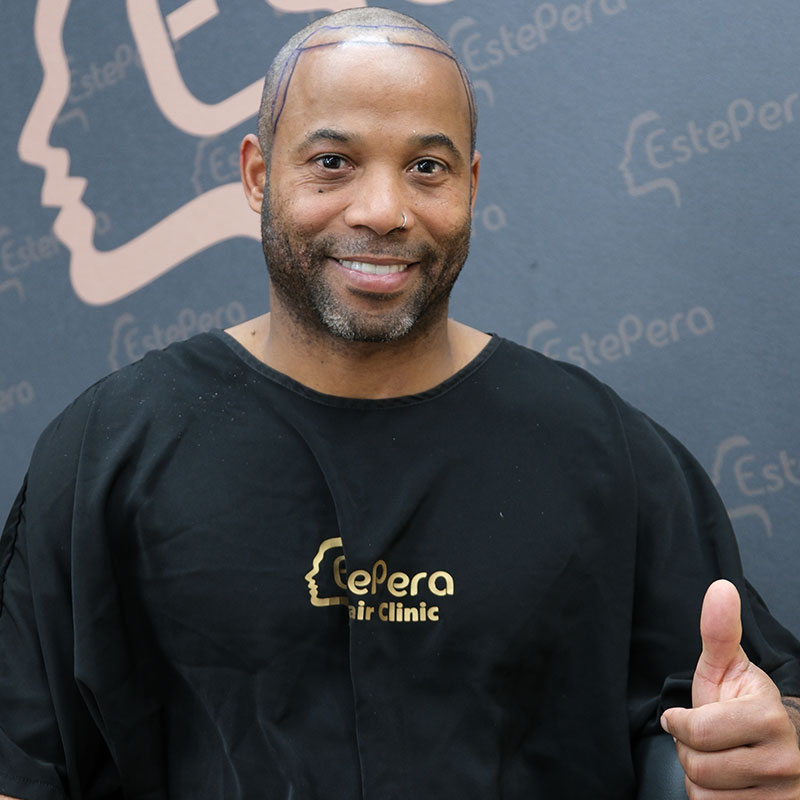
Hair loss can affect anyone, but for individuals with Afro-textured hair, the decision to undergo a hair transplant often comes with additional questions and concerns. Many patients wonder whether a procedure will work effectively with tightly curled follicles or whether the results will look natural. The good news is that modern techniques have made Hair Transplant Turkey an increasingly successful solution for African American patients when the procedure is performed by an experienced medical team. At Estepera Hair Clinic Turkey, advanced protocols specifically adapted to curly follicle structures allow patients to achieve dense, natural-looking outcomes that blend seamlessly with their existing hair.
African American hair transplantation is not simply a standard procedure applied to a different hair type. The unique biological structure of Afro hair requires a refined surgical approach, careful extraction angles, and precise implantation planning. When these elements are handled correctly, patients can enjoy highly satisfying long-term results. This comprehensive guide explains how the process works, what makes Afro hair different, which techniques are most suitable, and why Turkey has become a leading destination for patients seeking reliable hair restoration.
Understanding the Unique Structure of Afro Hair
One of the most important factors in African American hair transplantation is the distinct anatomy of the hair follicle. Unlike straight or slightly wavy hair types, Afro-textured hair follows a curved and spiral path not only above the scalp but also beneath the skin. This subdermal curvature makes follicle extraction more technically demanding and requires a surgeon who understands the three-dimensional growth pattern of curly roots.
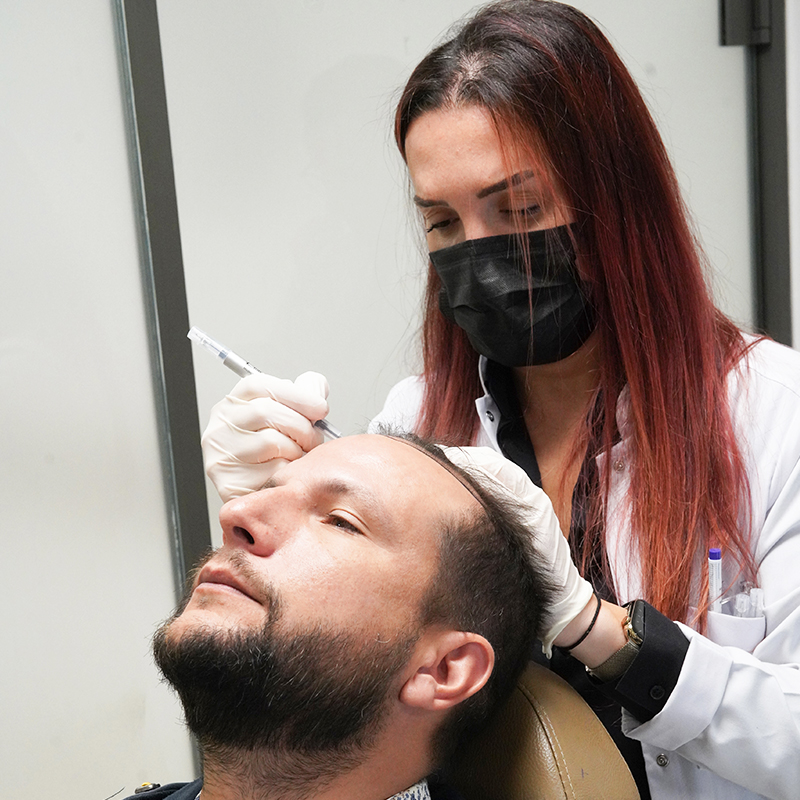
Despite often appearing thick and dense, Afro hair typically has a lower follicular density compared to Caucasian or Asian hair types. The visual fullness comes from the tight curl pattern, which creates a natural covering effect across the scalp. This characteristic actually becomes an advantage during transplantation because fewer grafts may be required to achieve cosmetically satisfying density. At Estepera Hair Clinic Turkey, each patient undergoes a detailed hair analysis to map follicle direction, curl pattern, and donor capacity before the procedure is planned.
Another consideration is skin structure. Patients with darker skin tones may have thicker dermal layers and a slightly higher tendency toward keloid formation during healing. While this does not prevent successful hair transplantation, it reinforces the importance of minimally traumatic extraction techniques and careful post-operative follow-up. Estepera’s clinical protocols are specifically designed to reduce tissue stress and support smooth recovery.
Common Causes of Hair Loss in African American Patients
Hair loss patterns among African American individuals can differ somewhat from those seen in other populations. While androgenetic alopecia, commonly known as male pattern baldness, still occurs, many patients also experience traction alopecia. This condition develops gradually due to prolonged tension on the hair follicles and is frequently associated with tight braiding styles, cornrows, weaves, or extensions worn over many years.
Traction alopecia often begins subtly along the hairline and temples before progressing to more visible thinning. Early recognition is important because, in the initial stages, the condition may be reversible. However, once follicular damage becomes permanent, hair transplantation may be the most effective restorative option. During consultation at Estepera Hair Clinic Turkey, specialists carefully evaluate whether hair loss is still active, stable, or scar-related, as this influences both candidacy and expected outcomes.
Some patients may also present with inflammatory or scarring alopecia conditions. These cases require particularly careful planning because the scalp environment must be suitable for graft survival. With proper medical assessment and timing, many of these patients can still benefit from a well-executed Hair Transplant Turkey procedure.
Why Technique Matters More for Curly Hair
The success of any hair transplant depends heavily on the extraction and implantation process, but this becomes even more critical with Afro-textured hair. Because the follicle curves beneath the skin, the margin for error during extraction is smaller. If the punch tool is not aligned precisely with the follicle’s angle, the risk of transection — meaning damage to the graft — increases.
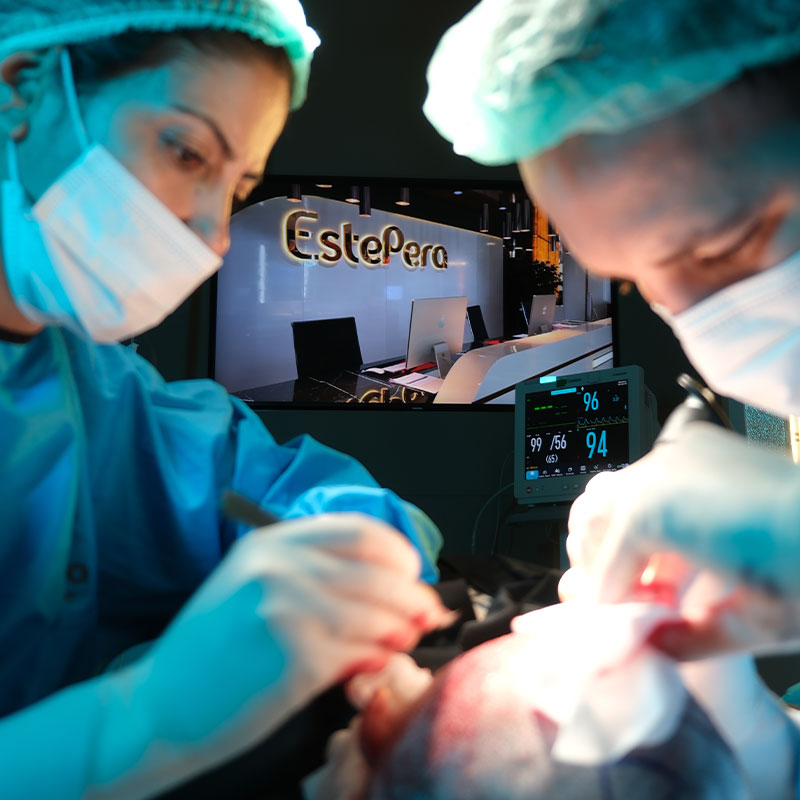
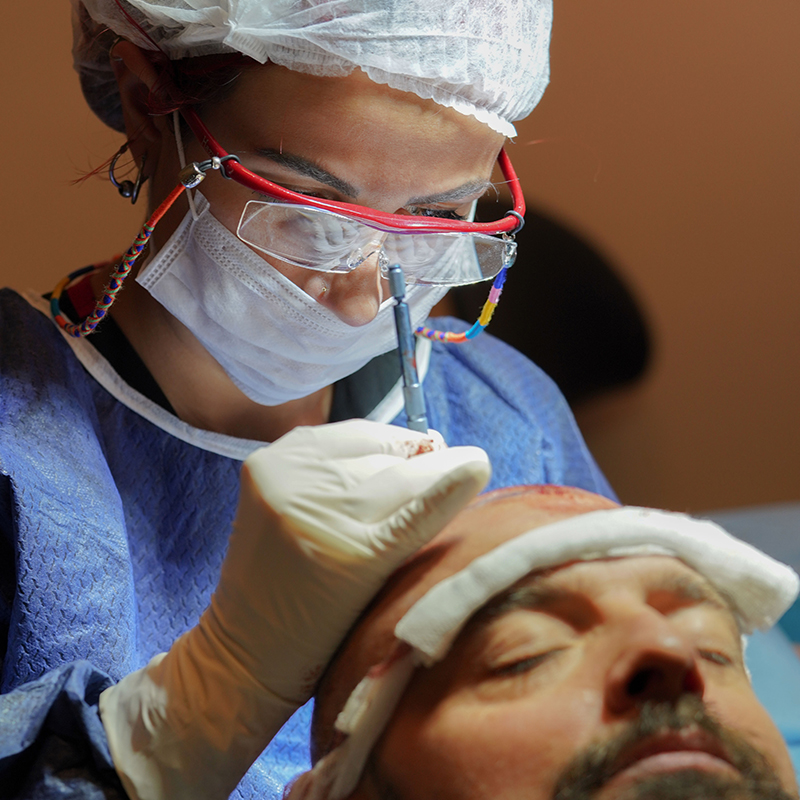
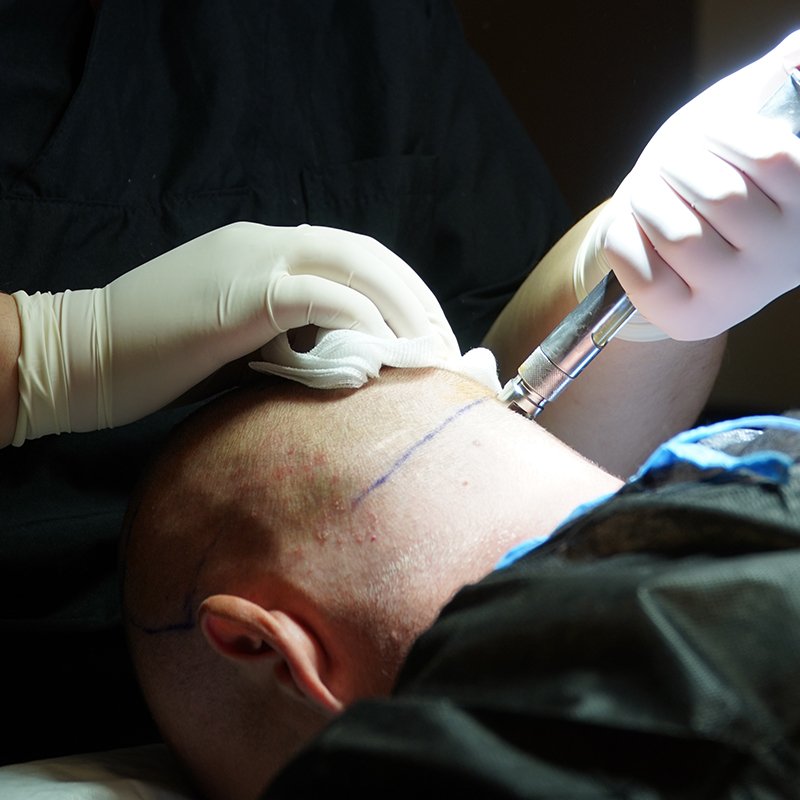
At Estepera Hair Clinic Turkey, specialized micro-FUE techniques are used to address this challenge. The surgical team adjusts punch depth, angle, and rotational speed according to the patient’s individual curl pattern. High-magnification visualization further supports accurate harvesting and helps preserve graft integrity. This meticulous approach is one of the key reasons why experienced clinics consistently achieve higher graft survival rates in African American hair transplantation.
Equally important is the implantation phase. Creating natural density requires careful control of direction, angle, and spacing. Afro hair’s curl pattern can be an advantage here because it provides strong visual coverage when placed correctly. However, poor planning may lead to unnatural growth patterns. Estepera’s implantation protocols focus on recreating age-appropriate, culturally natural hairlines that harmonize with the patient’s facial structure.
Advantages of Afro Hair in Hair Transplantation
Although the technical aspects of extraction can be more demanding, Afro-textured hair offers several meaningful advantages during the restoration process. The most notable benefit is its excellent coverage capability. Because each hair naturally coils and expands outward, the scalp can appear fuller with fewer grafts compared to straighter hair types. This means that many African American patients can achieve impressive cosmetic density without requiring extremely high graft numbers.
Another positive factor is the typically lower contrast between hair color and scalp tone. When contrast is minimal, the transplanted area tends to look more uniform and natural, even during the early growth phases. This visual blending effect is one of the reasons why well-performed African American hair transplants often produce highly satisfying aesthetic outcomes.
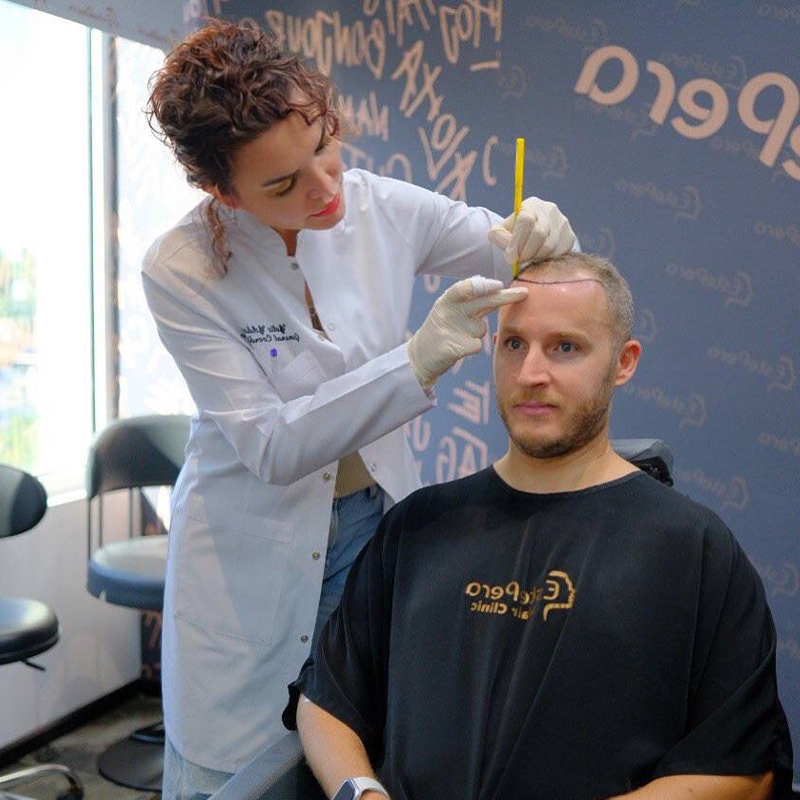
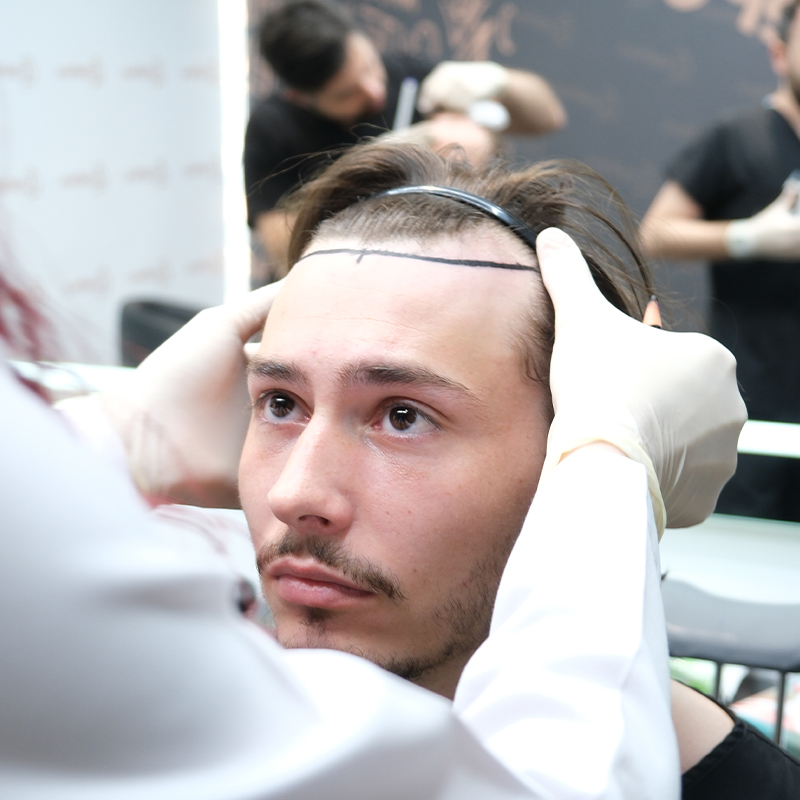
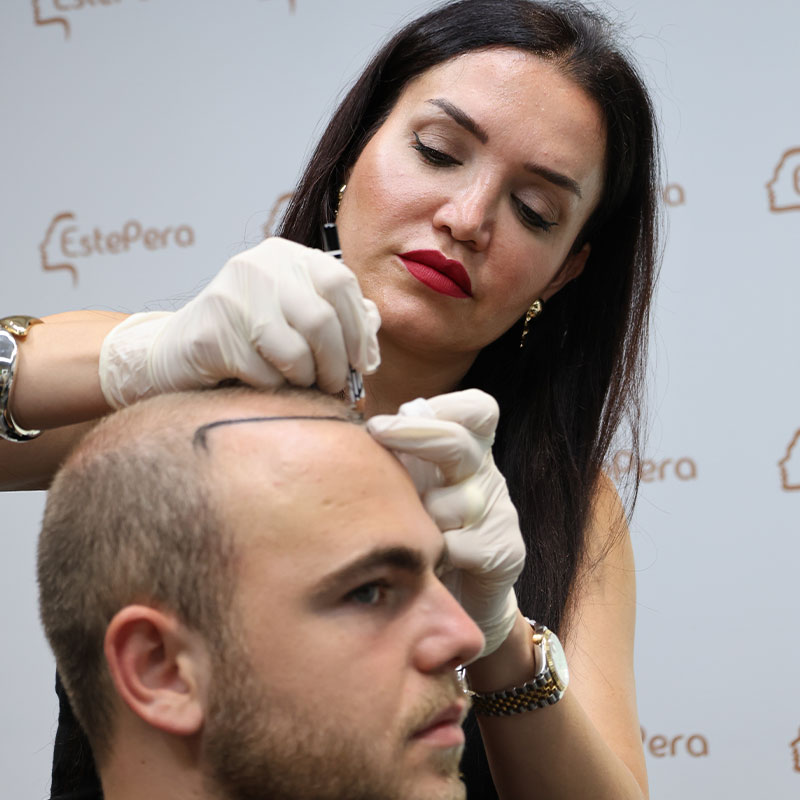
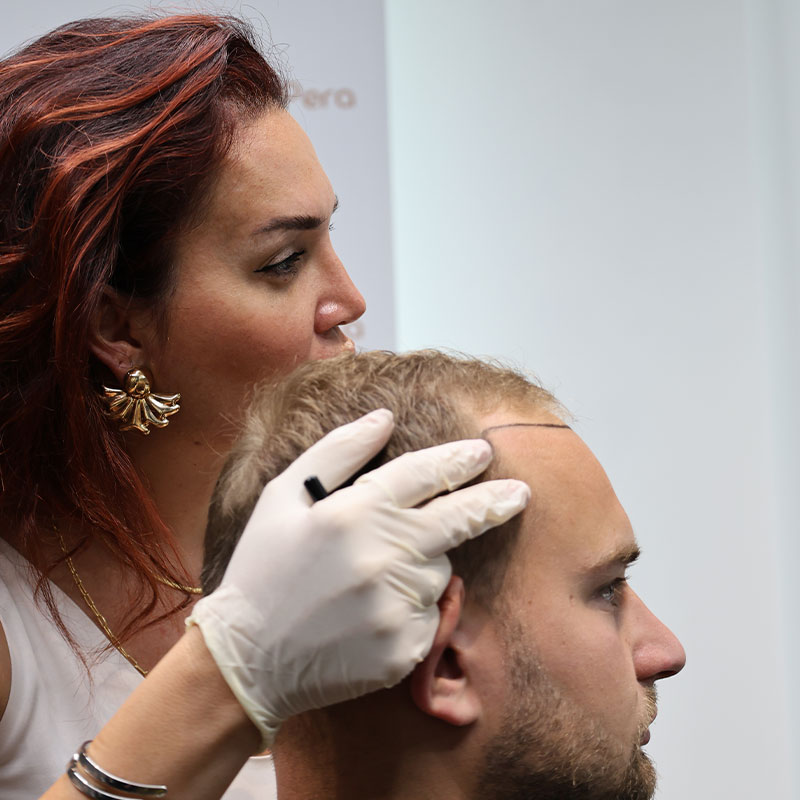
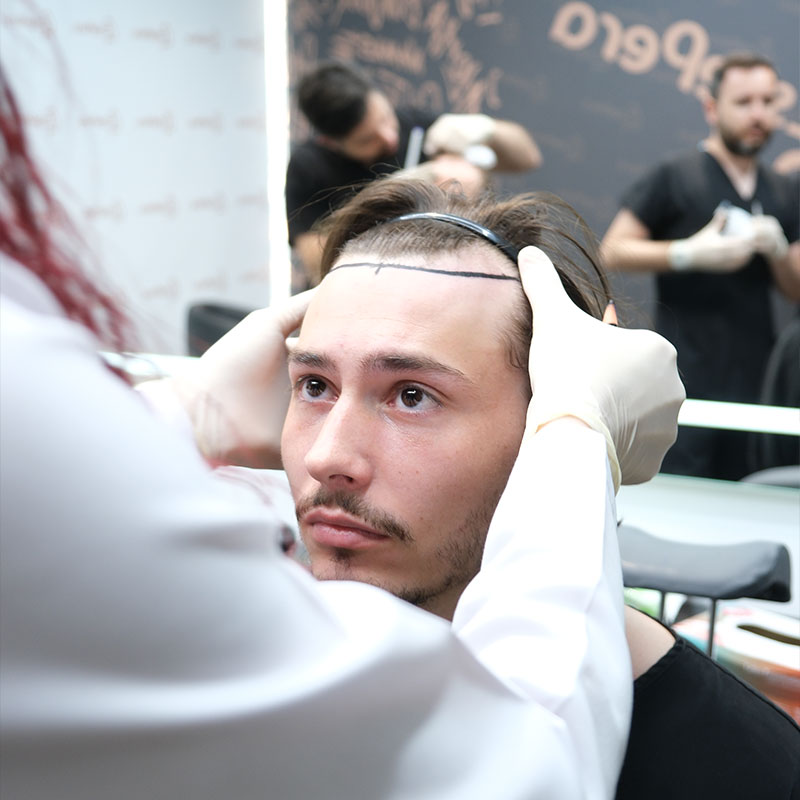
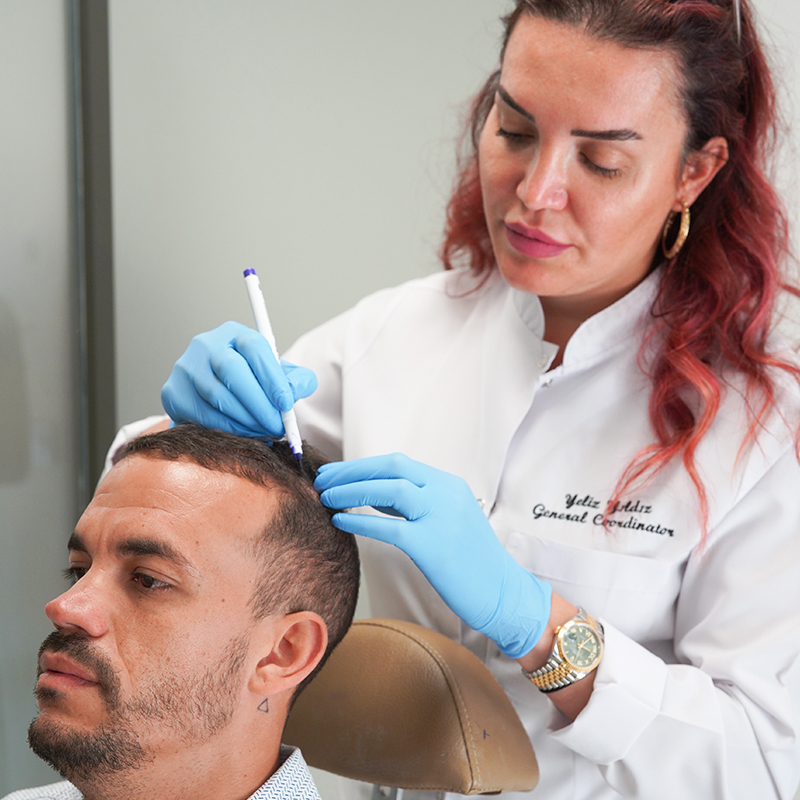
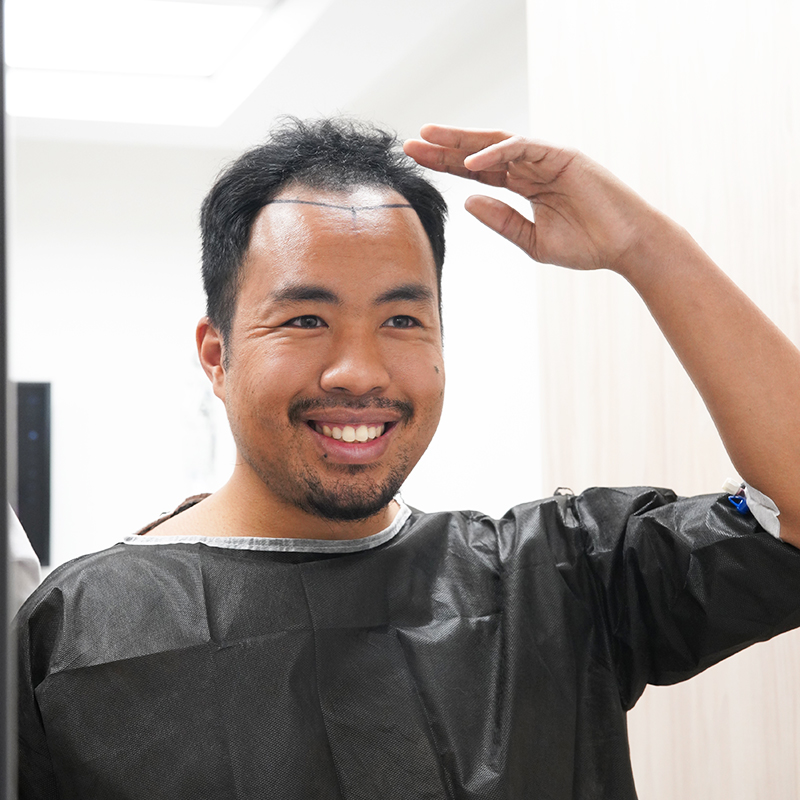
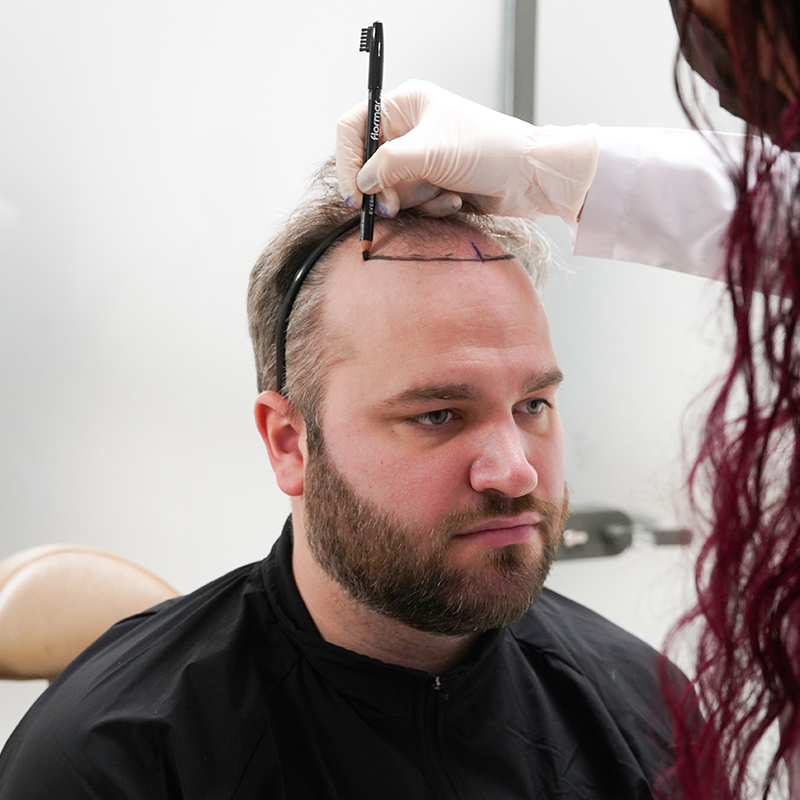
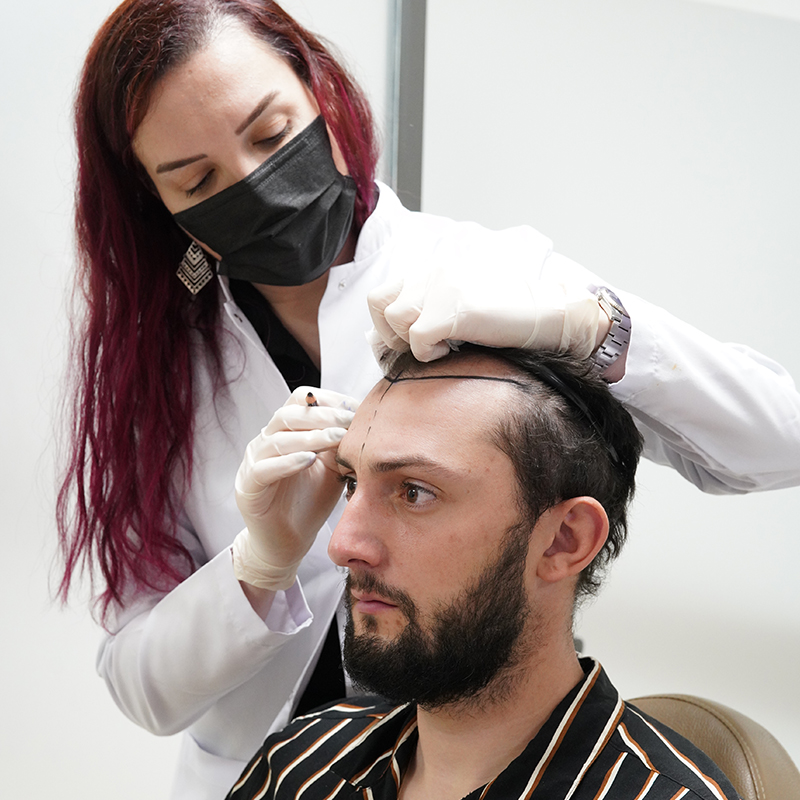
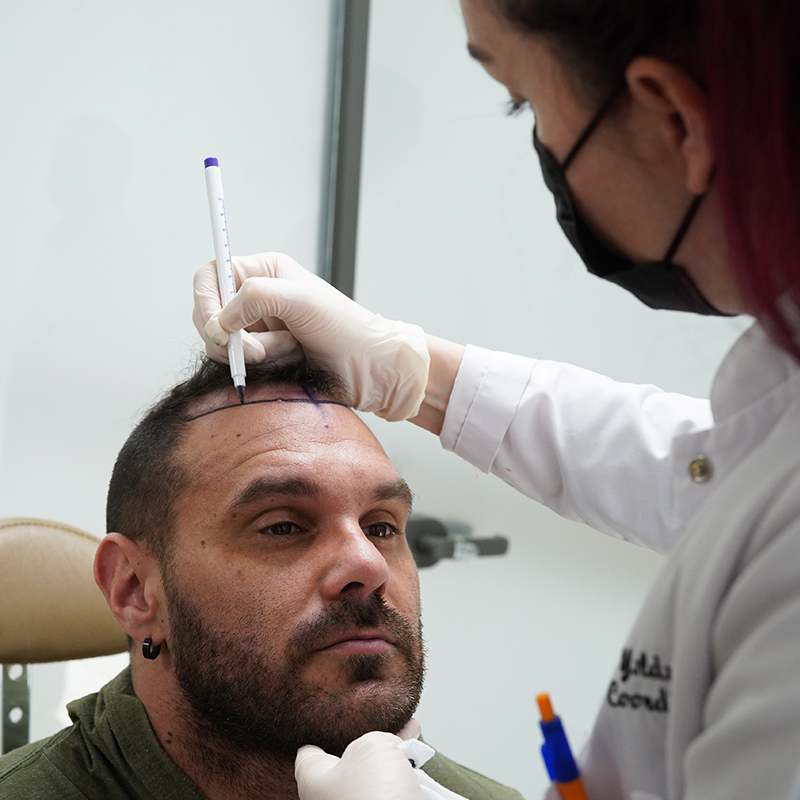
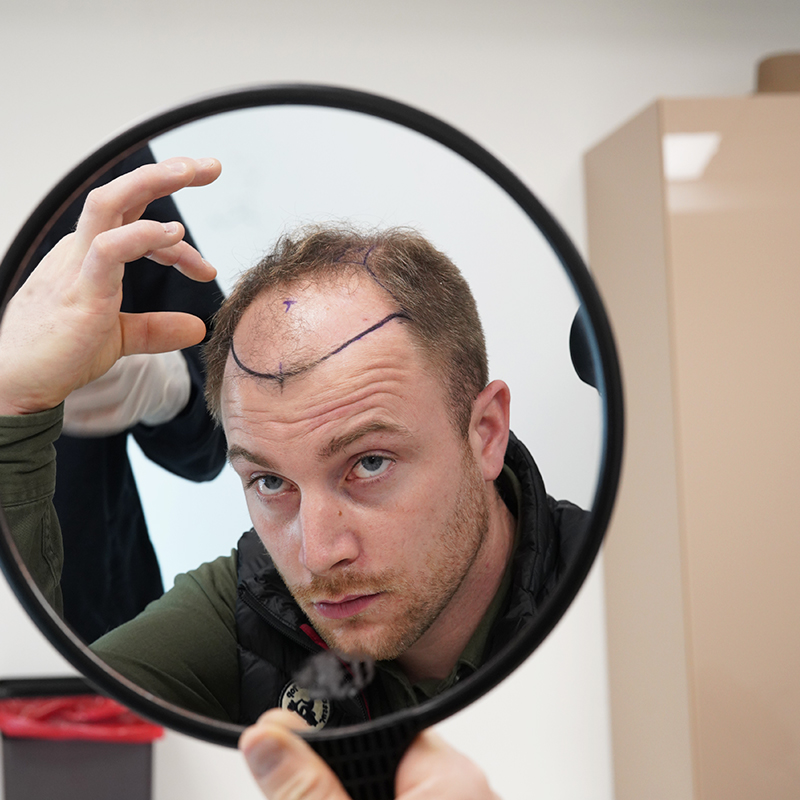
Hairline design is also generally more straightforward when guided by experienced specialists. Many patients prefer a relatively straight or softly contoured frontal hairline, which can be crafted to look both natural and age appropriate. At Estepera Hair Clinic Turkey, digital hairline planning is performed before the procedure so patients can visualize the intended outcome and participate in the design process.
FUE, FUT, or DHI: Which Is Best?
When considering Hair Transplant Turkey, patients frequently ask which technique is most suitable for Afro-textured hair. In modern practice, Follicular Unit Extraction (FUE) is widely regarded as the preferred approach for most African American patients. Because FUE removes grafts individually rather than excising a strip of scalp, it avoids the linear scar associated with the older FUT method. This is particularly important for individuals who prefer short hairstyles.
While FUT can technically be performed, it is generally less favored due to the visible scar risk and the higher likelihood of problematic healing in some patients with darker skin types. For this reason, many leading clinics, including Estepera Hair Clinic Turkey, emphasize advanced FUE protocols for curly hair transplantation.
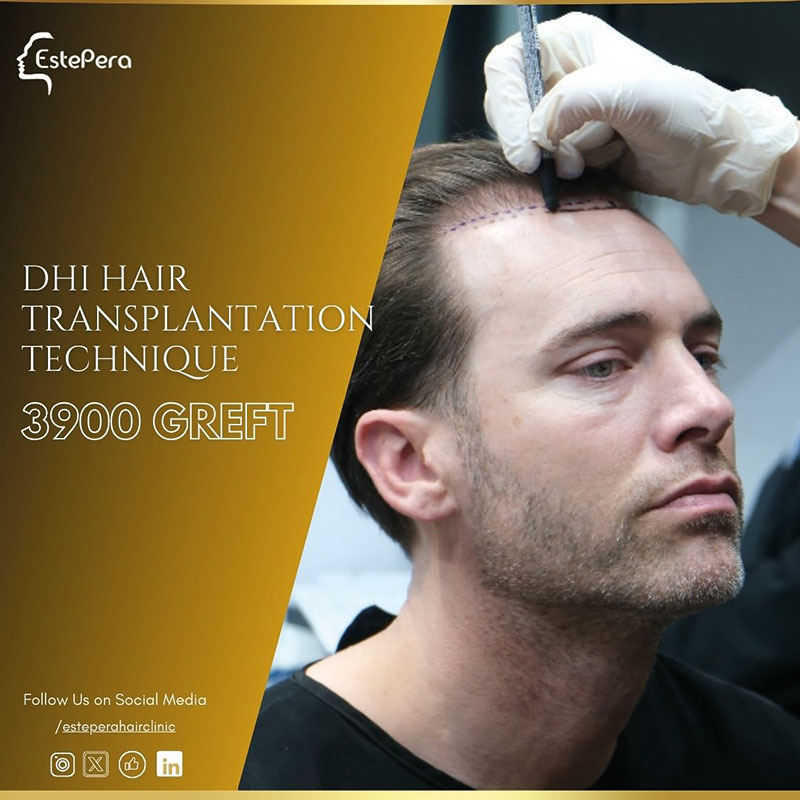
In certain cases, Direct Hair Implantation (DHI) may be incorporated to enhance density in the hairline or other targeted zones. Rather than viewing techniques as mutually exclusive, Estepera often uses a hybrid strategy tailored to the patient’s hair characteristics, donor strength, and aesthetic goals. This personalized planning helps maximize both naturalness and long-term graft survival.
Why Patients Choose Hair Transplant in Turkey
Over the past decade, Turkey has become one of the world’s most sought-after destinations for hair restoration. The popularity of Hair Transplant Turkey is driven not only by cost considerations but also by the country’s extensive clinical experience and high procedural volume. Clinics that perform thousands of cases annually develop a level of technical refinement that is difficult to replicate in lower-volume settings.
International patients are particularly drawn to centers that combine modern medical infrastructure with specialized expertise in diverse hair types. Estepera Hair Clinic Turkey has built its reputation by focusing on personalized treatment planning, advanced extraction technology, and consistent post-operative follow-up. For African American patients, choosing a clinic familiar with curly follicle anatomy can make a significant difference in final results.
Recovery and Hair Growth Timeline
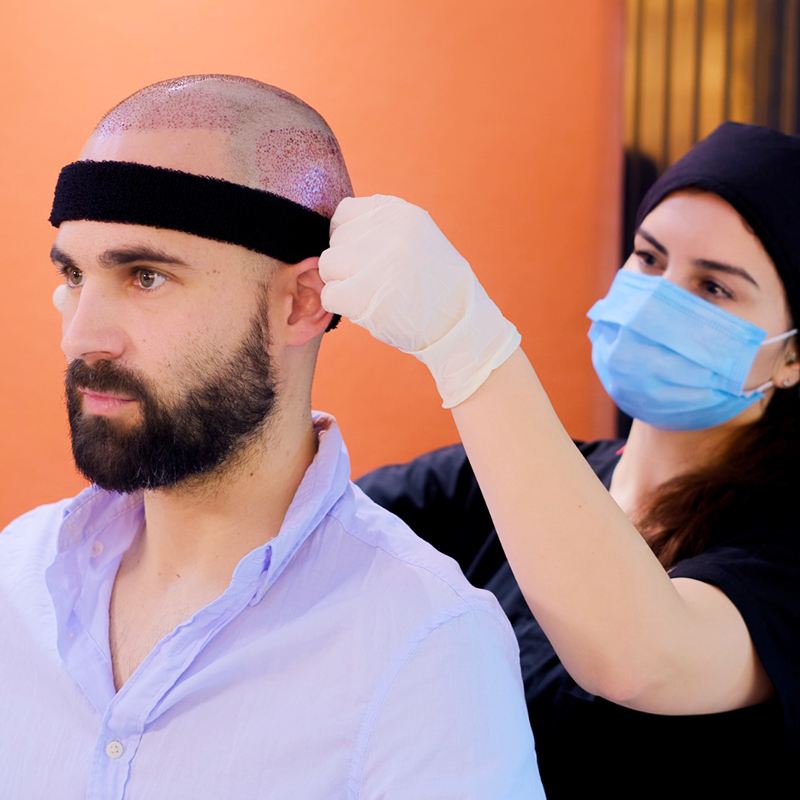
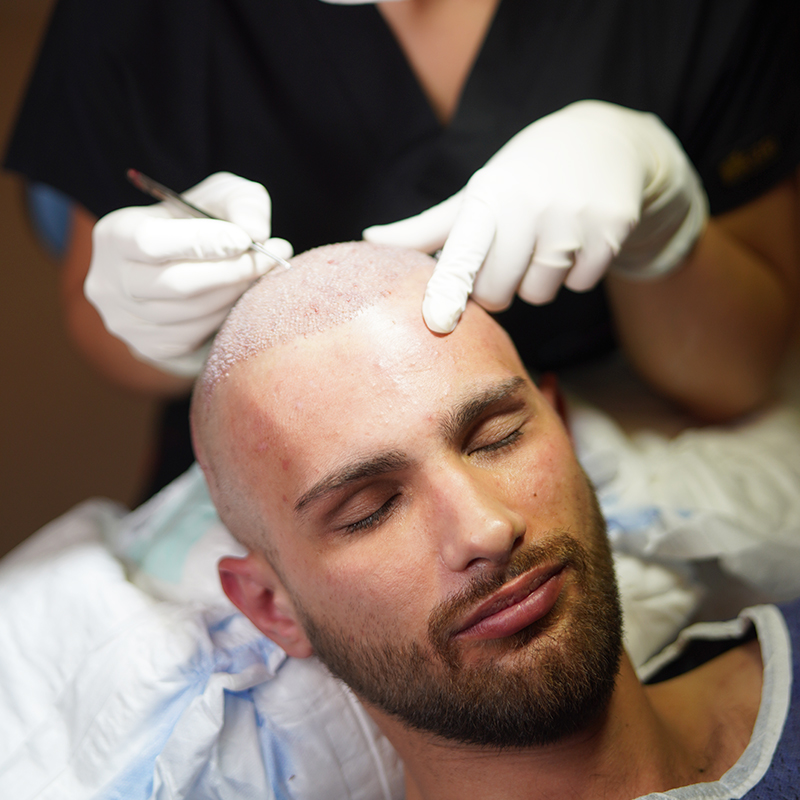
The recovery process after an African American hair transplant is generally similar to that of other hair types, although careful aftercare remains essential. In the first week, mild redness and small crusts typically form around the implanted grafts. These signs gradually resolve as the scalp heals. Patients receive detailed washing and care instructions from the Estepera team to support proper recovery.
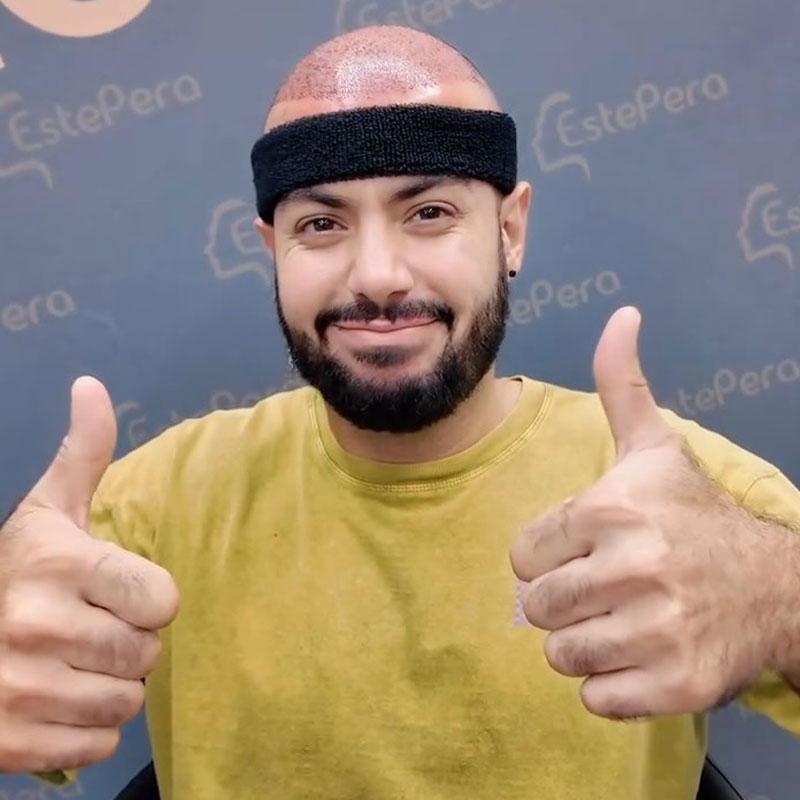
During the first two to three months, many patients experience temporary shedding of the transplanted hairs, commonly known as shock loss. This phase is normal and expected. New growth usually begins around the third or fourth month, followed by progressive thickening over the next several months. Most patients observe clearly visible improvement by six to nine months, while final maturation typically occurs between twelve and eighteen months.
Because Afro hair naturally curls and expands, the perception of density often improves steadily as the hairs lengthen. Estepera Hair Clinic Turkey provides ongoing follow-up guidance throughout this period to help patients track their progress and maintain optimal scalp health.
A Personalized Approach at Estepera Hair Clinic Turkey
Successful African American hair transplantation depends on far more than simply moving grafts from one area to another. It requires a comprehensive understanding of hair biology, ethnic hairline aesthetics, and individualized surgical planning. At Estepera Hair Clinic Turkey, every patient begins with a detailed consultation that evaluates donor strength, hair loss pattern, scalp condition, and personal expectations.
The clinic’s philosophy centers on achieving results that look natural not only immediately after growth but also years into the future. Conservative graft planning, precise angle control, and minimally invasive extraction techniques all contribute to long-lasting outcomes. Patients are guided through each phase of the process, from initial assessment to post-operative care, ensuring clarity and confidence at every step.
Restoration African American Hair Transplant
For patients with Afro-textured hair, hair restoration is absolutely achievable when performed with the right expertise and technology. Modern advances have made Hair Transplant Turkey a highly effective option for African American individuals seeking fuller, natural-looking hair. The key lies in choosing a clinic that understands the unique challenges and advantages of curly follicle structures.
Estepera Hair Clinic Turkey combines specialized experience, advanced FUE protocols, and patient-centered planning to deliver reliable results tailored to each individual. With proper technique and realistic expectations, African American hair transplantation can restore not only hair density but also long-term confidence.
Start Your Hair Restoration Journey with Estepera
If you have Afro-textured hair and are looking for a permanent solution, Hair Transplant Turkey can be a powerful option for you. Estepera Hair Clinic Turkey aims to deliver natural and satisfying results through its experienced team in African American hair transplantation, advanced technology, and personalized treatment planning approach.
👉 Contact us now for your free hair analysis and discover your personalized hair restoration plan.
Frequently Asked Questions
Is African American hair transplant safe?
Yes. When performed at an experienced clinic, African American hair transplant is safe and effective. Estepera Hair Clinic uses specialized techniques adapted to curly follicle structures to maintain maximum procedural safety.
Does curly hair make transplant harder?
Yes, it is technically more delicate. However, with an experienced team and the right equipment, success rates are very high. At Estepera, we aim for a low transection rate.
Will the results look natural?
When proper angle and direction planning is performed, the results look completely natural. The curly nature of Afro hair also provides a density advantage.
Is FUE better than FUT for African hair?
For most patients, yes. The FUE method is more commonly preferred because it does not leave a linear scar and is suitable for short hairstyles.
When will I see full results?
Typically:
- Initial growth: 3–4 months
- Noticeable results: 6–9 months
- Final results: 12–18 months
Am I a good candidate?
You are generally a good candidate if you have:
- sufficient donor area
- stable hair loss
- no active infection
- realistic expectations
Estepera Hair Clinic offers reliable and permanent solutions for hair loss through personalized treatment planning, modern techniques, and natural hairline design.
Ready to Begin Your Transformation?
Contact Estepera Hair Clinic today for a free consultation and discover how you too can regain your confidence…