 FR
FR ES
ES IT
IT DE
DE RU
RU PT
PT AR
AR RO
RO BG
BG MK
MK IL
IL GR
GR ID
ID SK
SK JP
JP CN
CN PL
PL KR
KR TR
TR
Does Balding Come from Mom or Dad? : Baldness isn’t inherited solely from your mother or father. It’s caused by a mix of genes from both parents that influence hormone sensitivity—particularly to DHT (dihydrotestosterone)—which affects hair follicles and leads to gradual thinning.
How to Prevent Genetic Hair Loss: Causes, Myths, and Proven Treatments
Hair loss is one of the most common aesthetic and emotional challenges people face worldwide. While stress, diet, and lifestyle play their roles, genetics remain the strongest predictor of whether a person will experience baldness. At Estepera Hair Clinic in Istanbul, Turkey, thousands of patients each year seek to understand not only why they’re losing hair but how to stop it before it’s too late.
Understanding hereditary hair loss and the treatment options available today can help you take back control of your appearance and confidence.
Understanding Genetic Hair Loss
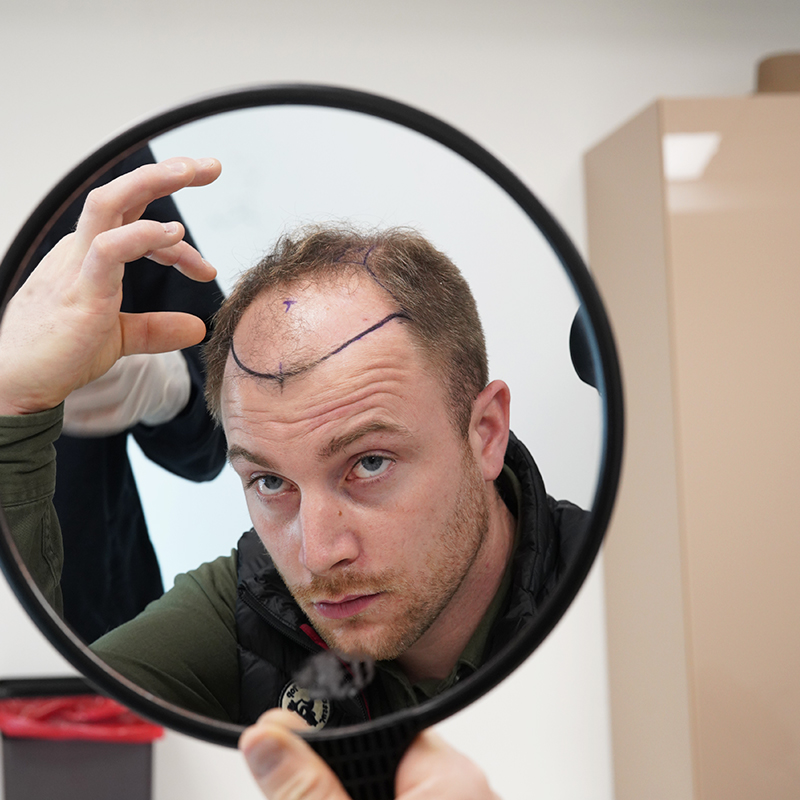
Genetic hair loss—often called androgenetic alopecia—is a hereditary condition that causes hair follicles to become smaller and produce thinner, weaker strands over time. In men, this results in a receding hairline or thinning at the crown, while in women, the hair generally becomes sparse along the top of the scalp without total baldness.
The process begins when genetically sensitive hair follicles react to dihydrotestosterone (DHT), a byproduct of testosterone. Over time, DHT binds to receptors in the follicles, shortening the growth phase of the hair cycle and eventually causing the follicles to stop producing visible hair.
Does Balding Come from Mom or Dad?
The question of whether baldness is inherited from one parent or both has puzzled generations.
Baldness comes from a combination of genes inherited from both parents. Although the gene on the X chromosome (passed from the mother) plays a major role, other genetic factors from the father also influence how the body responds to DHT.
In simpler terms, you can’t solely “blame” one parent. The risk increases if baldness appears in both sides of your family tree. Modern genetic research confirms that more than 200 genetic markers are linked to androgenetic alopecia.
This means even if your maternal grandfather had a full head of hair, paternal genes—or the way your body produces and responds to hormones—can still lead to hair loss.
Myths About Genetic Baldness
Because hair loss is so visible and emotionally impactful, it’s surrounded by countless myths. Let’s clarify a few:
Myth 1: “If your mother’s father is bald, you’ll be bald too.”
While this can indicate risk, it’s far from guaranteed. Baldness can come from either side of the family.
Myth 2: “Wearing hats causes hair loss.”
Hats don’t affect follicle health. Hair loss occurs internally, not from external pressure.
Myth 3: “Frequent washing or styling causes baldness.”
Hair care products don’t cause hereditary baldness. They might cause temporary breakage, but genetic loss happens at the follicular level.
Myth 4: “Once baldness starts, nothing can be done.”
False. Modern medicine and technology—especially advanced hair transplant methods—can restore lost density and stop further loss.
Environmental and Hormonal Factors That Accelerate Baldness
Even if genetics predispose you to baldness, external factors can accelerate the process.
- Hormonal Imbalance: DHT levels rise due to stress or metabolic changes, leading to faster follicle miniaturization.
- Nutritional Deficiency: Low iron, vitamin D, or biotin can weaken the scalp environment.
- Stress and Cortisol: Chronic stress increases cortisol levels, which disrupts the hair growth cycle.
- Smoking and Alcohol: Both reduce scalp oxygenation and blood flow, starving follicles of nutrients.
At Estepera Hair Clinic, trichologists often evaluate these contributing factors before planning a personalized hair restoration strategy. By combining medical diagnostics with modern technology, patients receive targeted solutions instead of generic advice.
Early Signs of Genetic Hair Loss
Recognizing early signs gives you a powerful advantage. Common indicators include:
- Gradual hairline recession near the temples.
- Noticeable thinning on the crown or top of the scalp.
- Excessive hair shedding during showering or brushing.
- A smaller ponytail diameter in women.
- Increased scalp visibility under bright light.
If you identify these symptoms, the best action is early intervention. Non-surgical treatments can slow progression, and surgical options can permanently restore volume.
How to Prevent Genetic Hair Loss
Complete prevention may not be possible for everyone, but slowing or halting hair loss is achievable. The earlier treatment begins, the better the results.
Nourish the Scalp Naturally: Balanced diets rich in zinc, iron, and omega-3 fatty acids support healthy regrowth.
Use Low-Level Laser Therapy (LLLT): Stimulates follicles and improves scalp circulation.
SVF (Stromal Vascular Fraction) Therapy: Innovative biological treatments offered at Estepera for cellular rejuvenation.
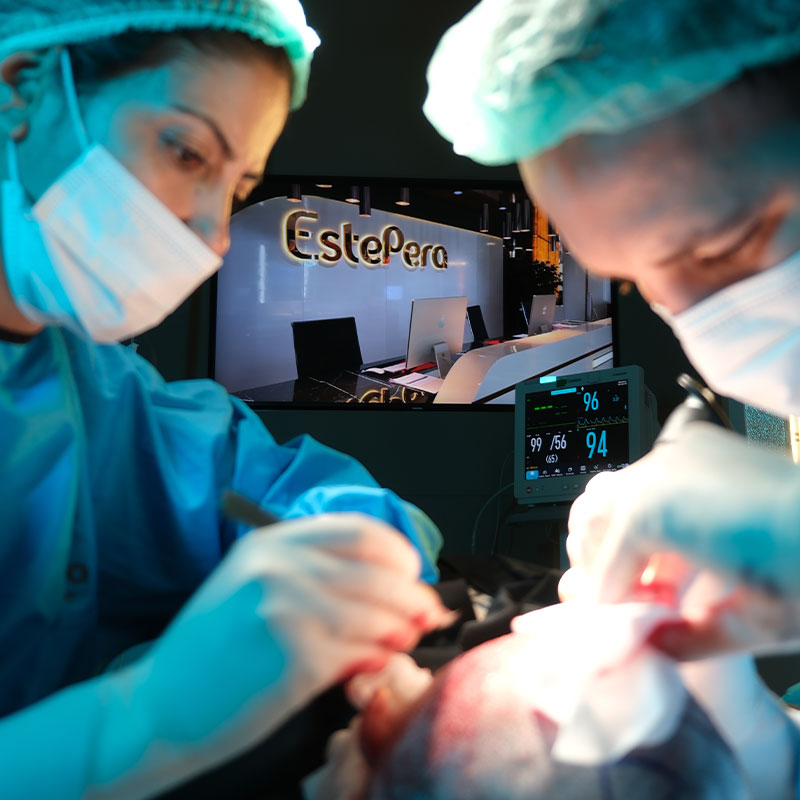
Hair Transplantation: The most effective permanent solution for advanced cases.
Hair Transplantation: The Permanent Solution
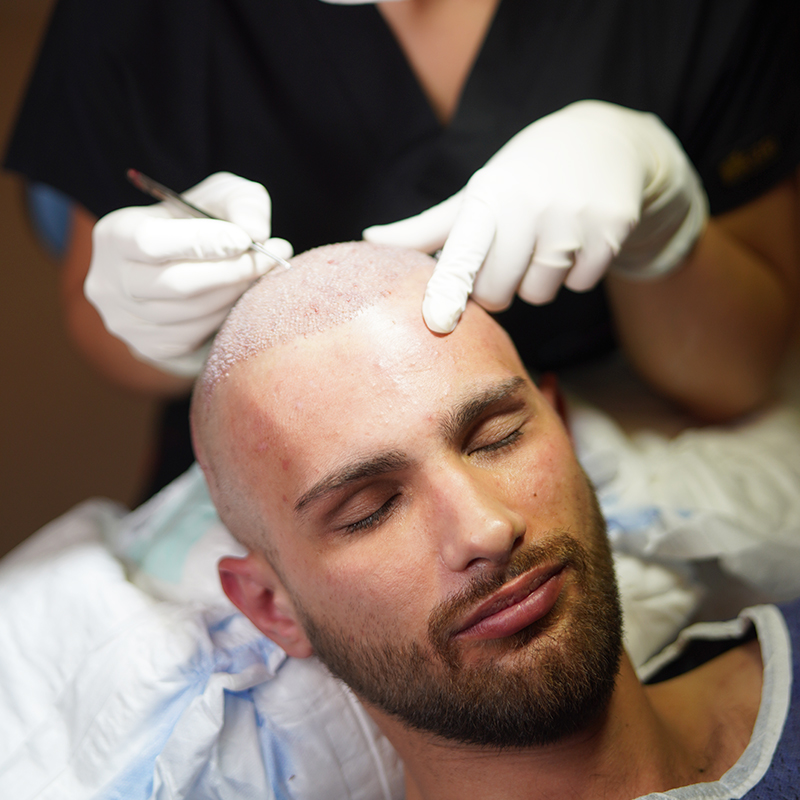
For advanced genetic baldness, hair transplantation remains the gold standard. Estepera Hair Clinic specializes in the world’s most modern techniques:
• FUE (Follicular Unit Extraction)
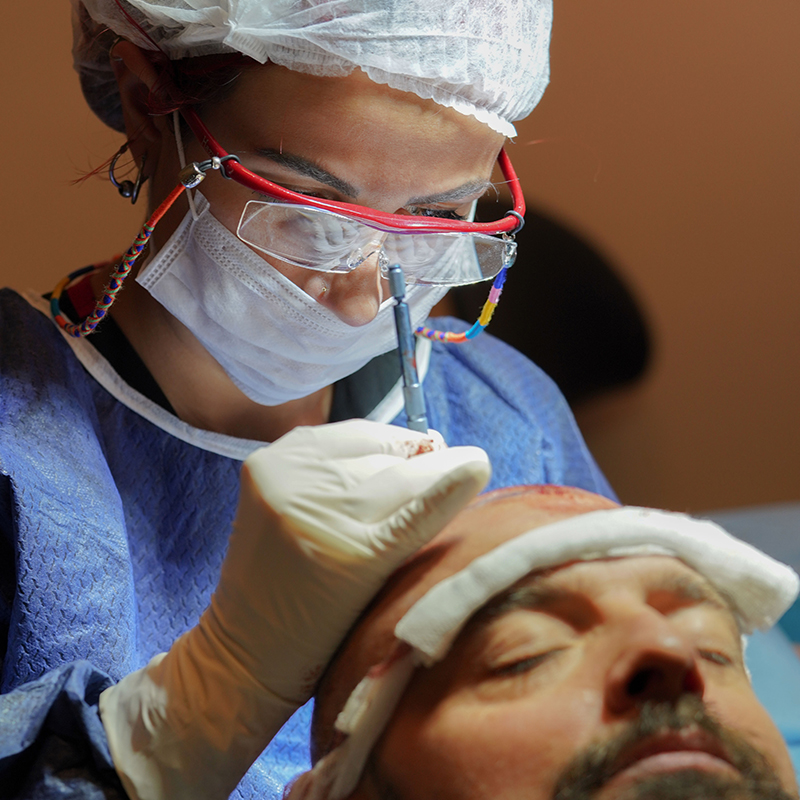
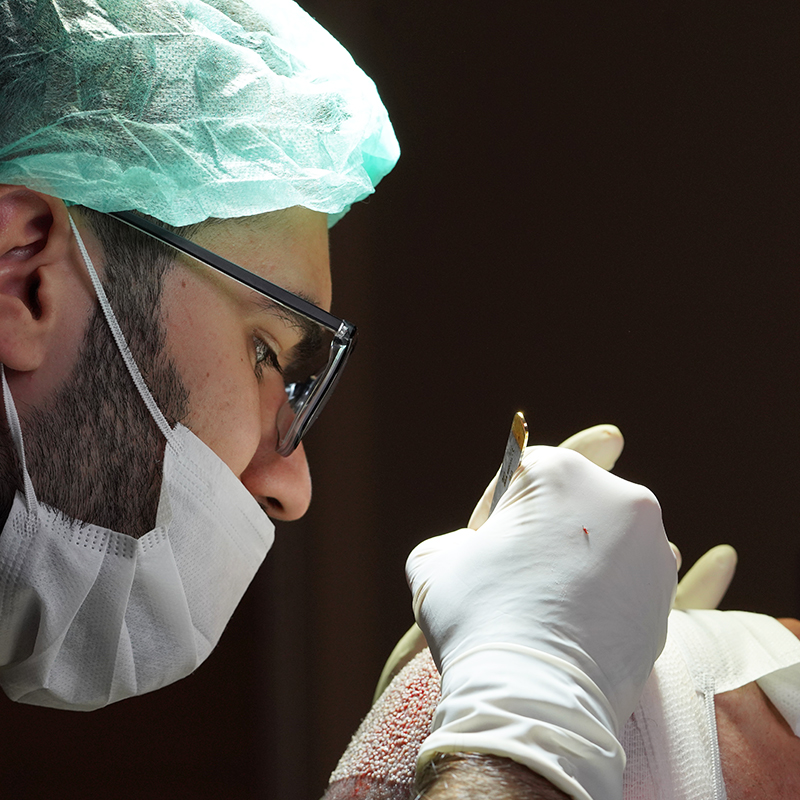
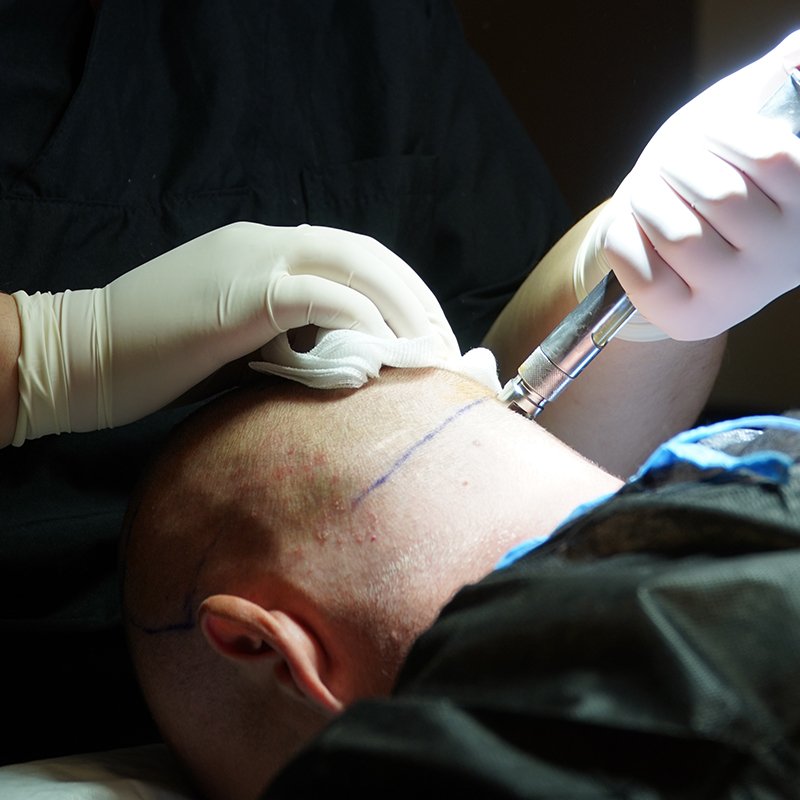
A minimally invasive technique where individual follicular units are extracted from the donor area and transplanted to thinning zones.
• Sapphire FUE
Uses sapphire-tipped microblades for higher precision, less trauma, and faster healing.
• DHI (Direct Hair Implantation)
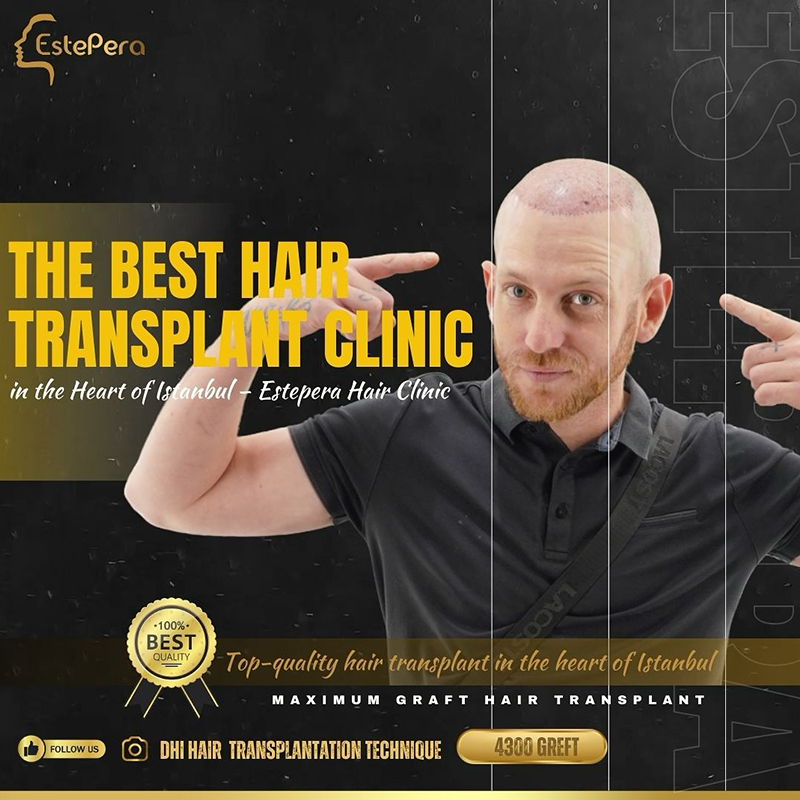
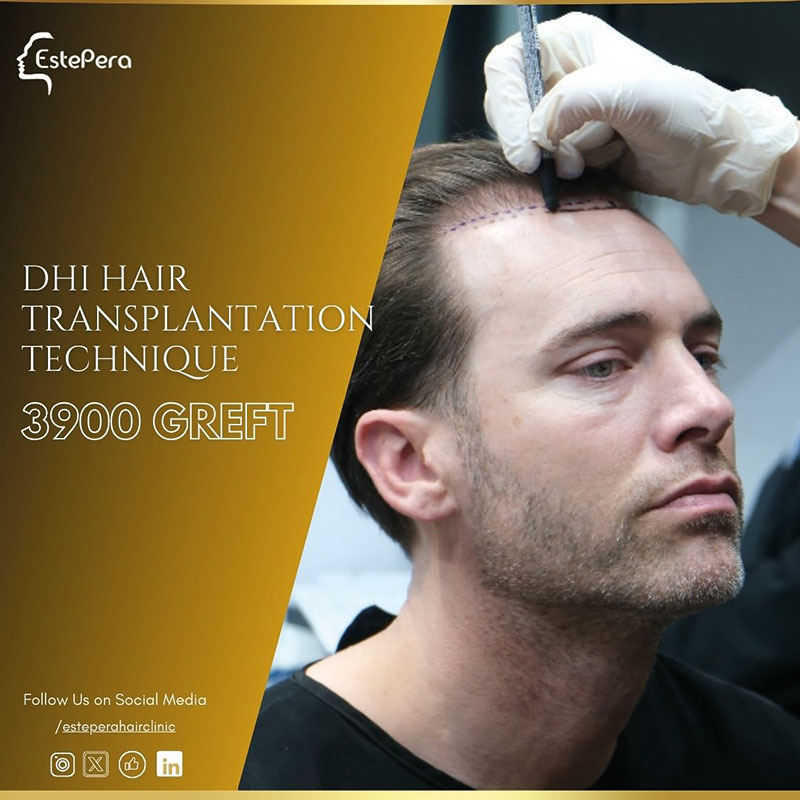
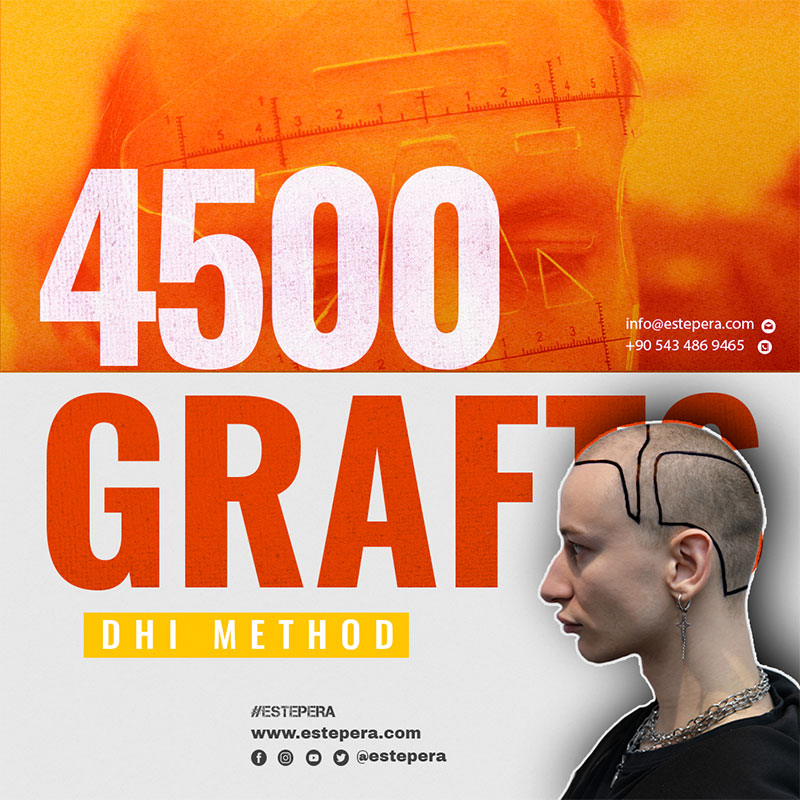
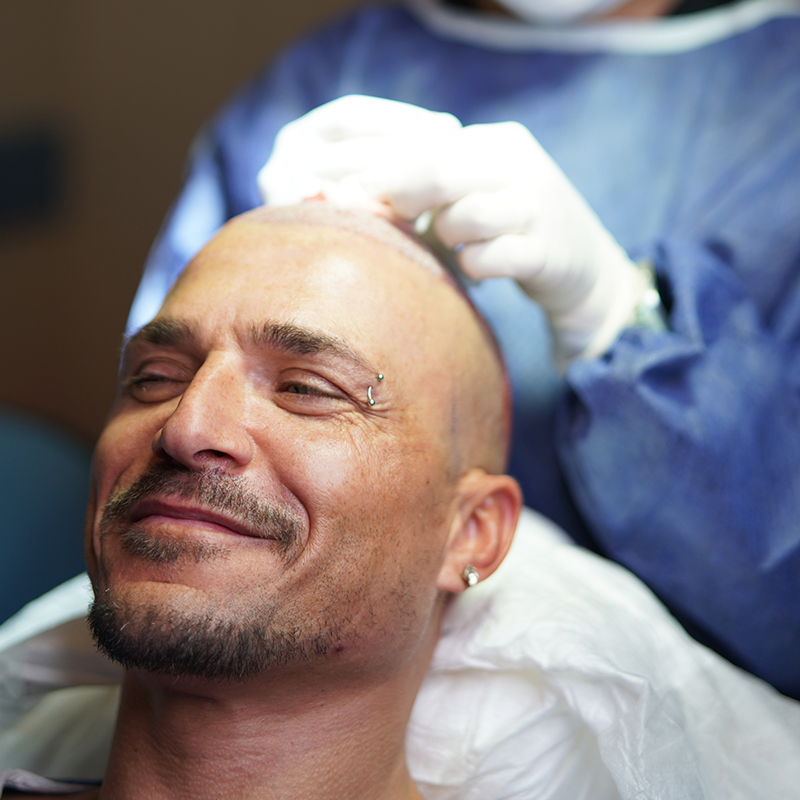
The latest method allowing direct implantation without creating incisions beforehand. It provides higher density, natural angles, and faster recovery.
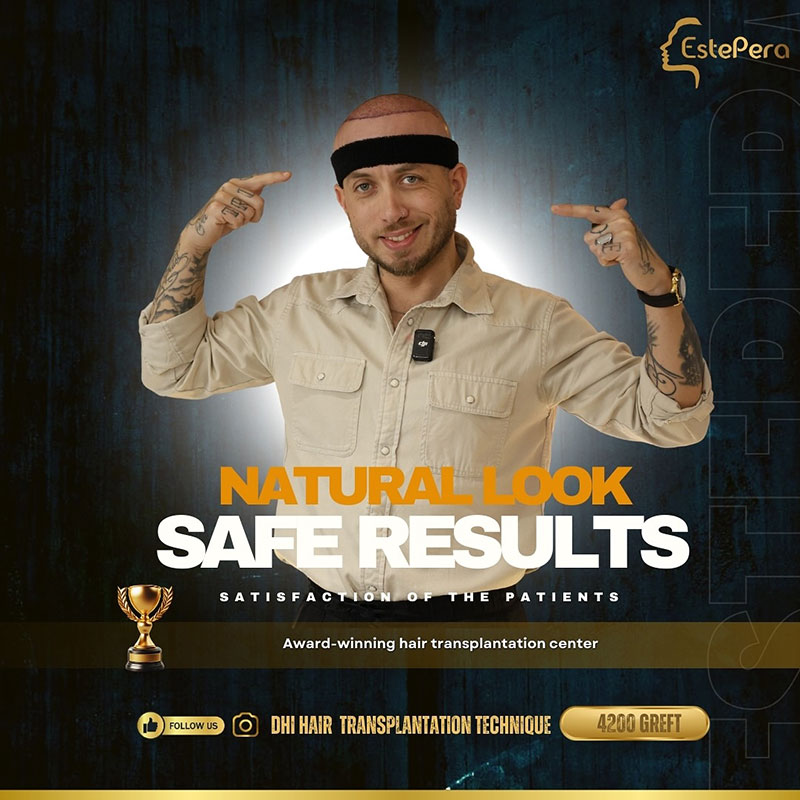
These procedures are performed in JCI-accredited hospitals by Estepera’s experienced surgical team with a 99% success rate and more than 30,000 satisfied patients worldwide.
Why Choosing the Right Clinic Matters
Genetic baldness is permanent, but its impact doesn’t have to be. The success of any treatment depends largely on the clinic’s expertise and technology.
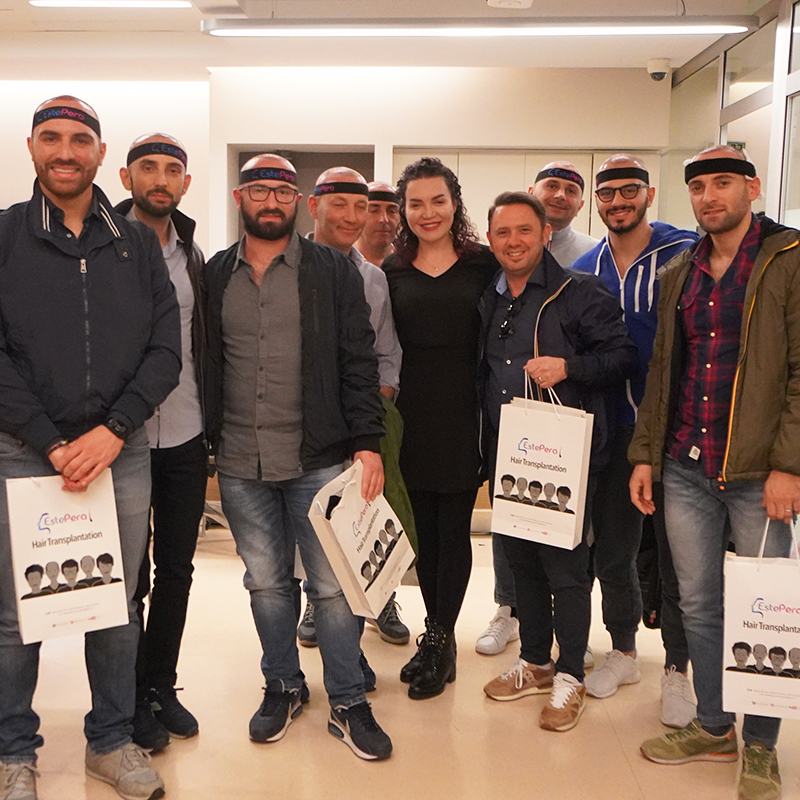
At Estepera Hair Clinic in Istanbul, Turkey, every patient’s journey starts with a free online hair analysis, where experts evaluate donor capacity, graft requirements, and scalp condition using digital imaging.
- The clinic’s approach emphasizes:
- Personalized treatment planning.
- Use of cutting-edge medical equipment.
- Procedures in A-class clinic.
- 5-star accommodation for international patients.
VIP transportation and English-speaking medical consultants.
Estepera’s Patient Journey
- Online Consultation: Submit photos and receive an analysis within minutes.
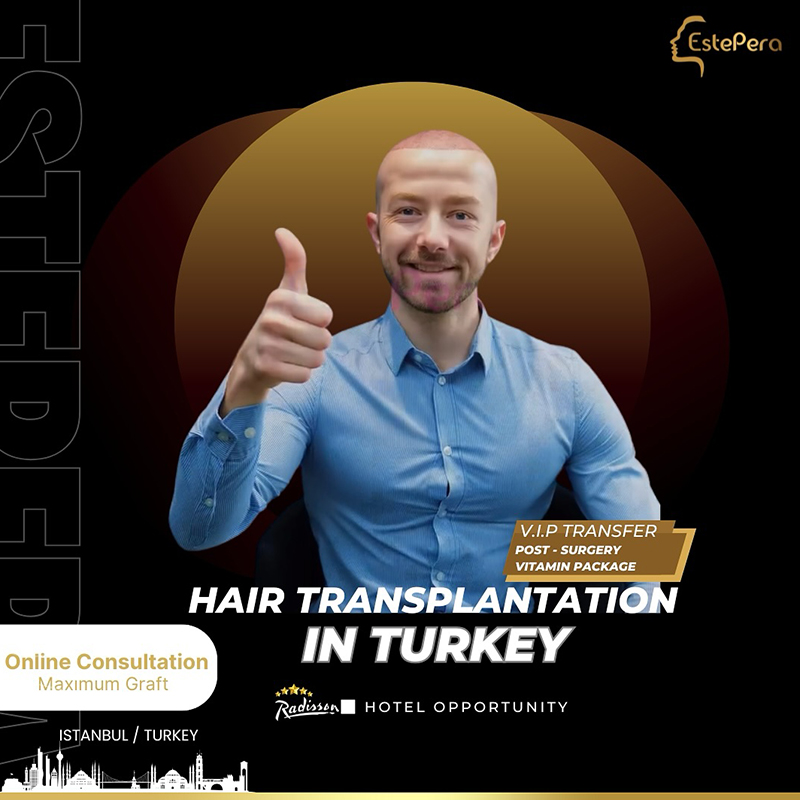
- Arrival in Istanbul: VIP transfer to a 5-star hotel.
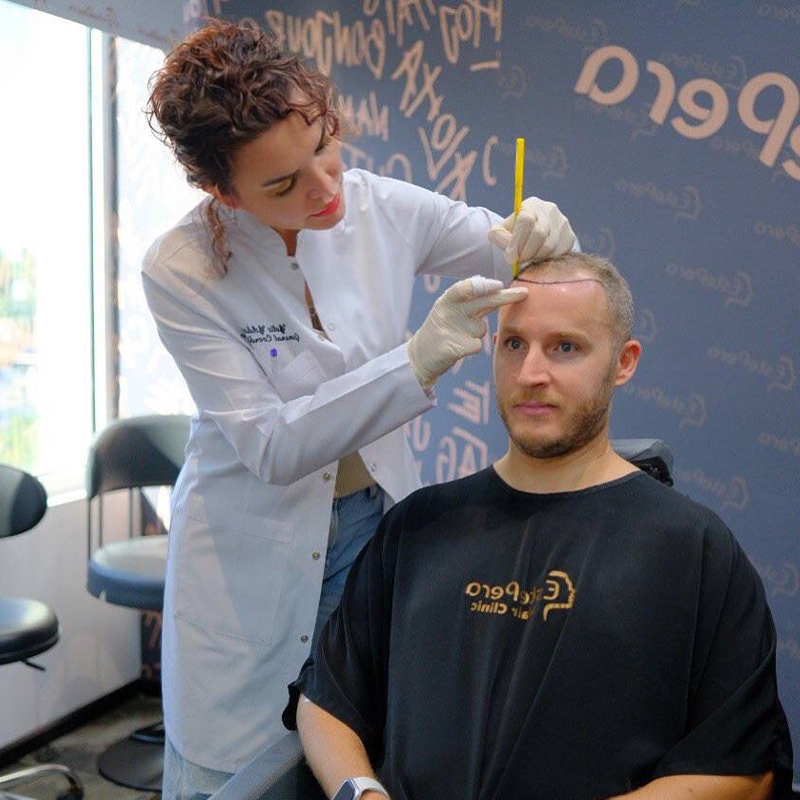
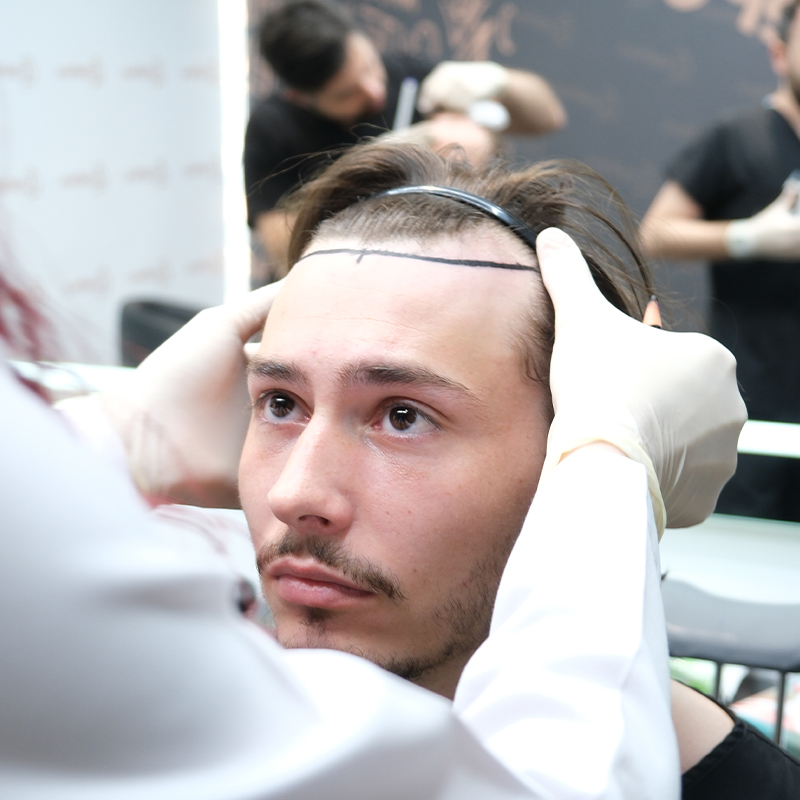
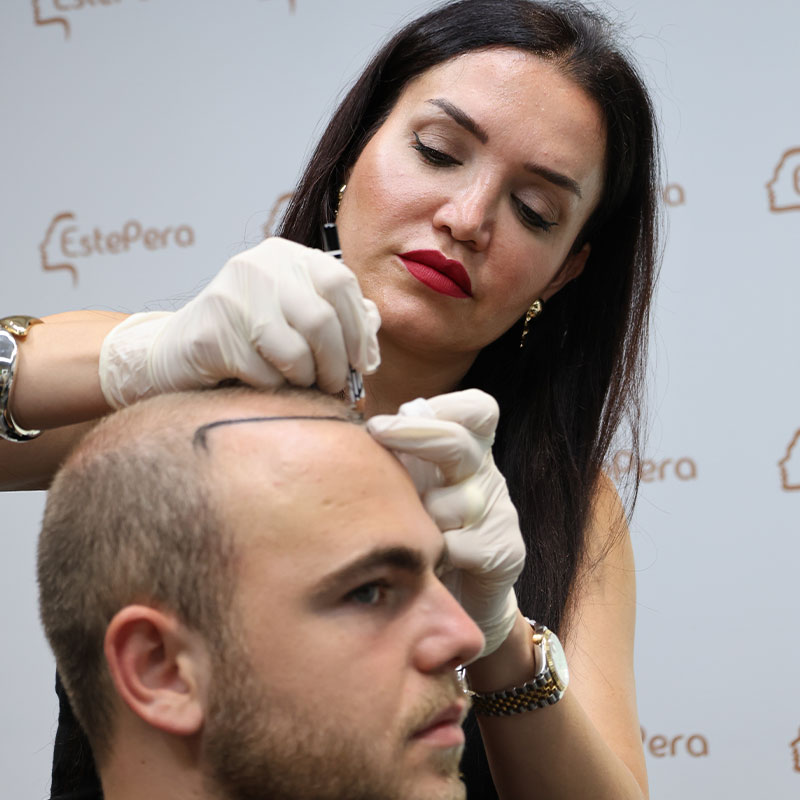
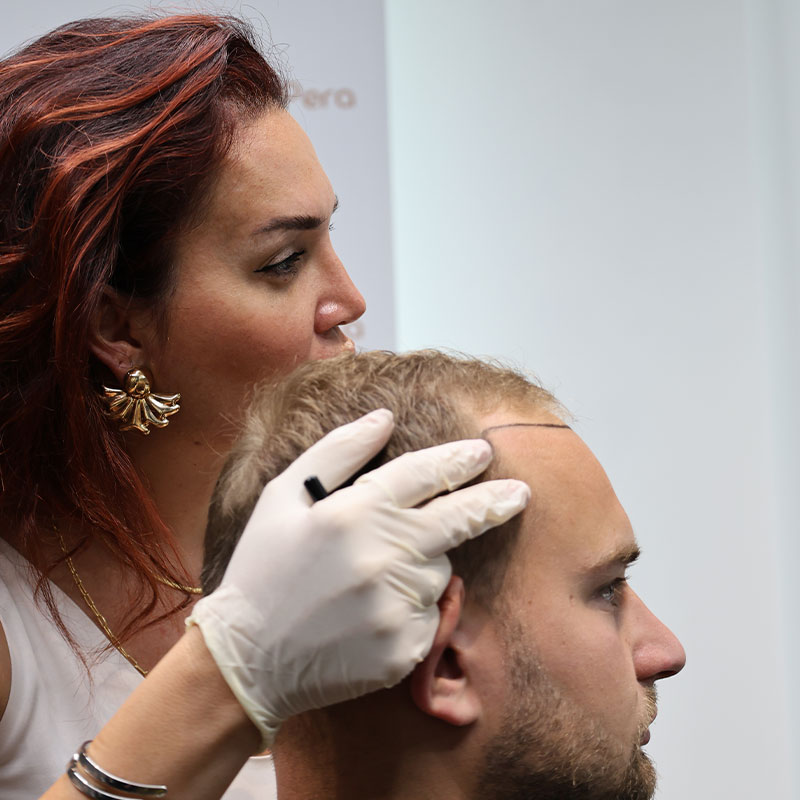
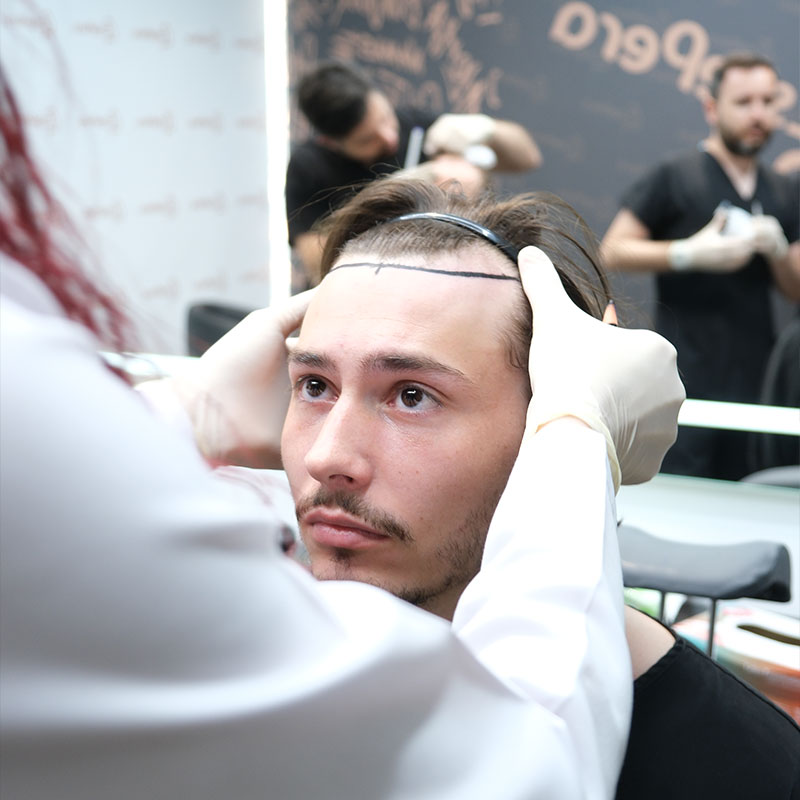
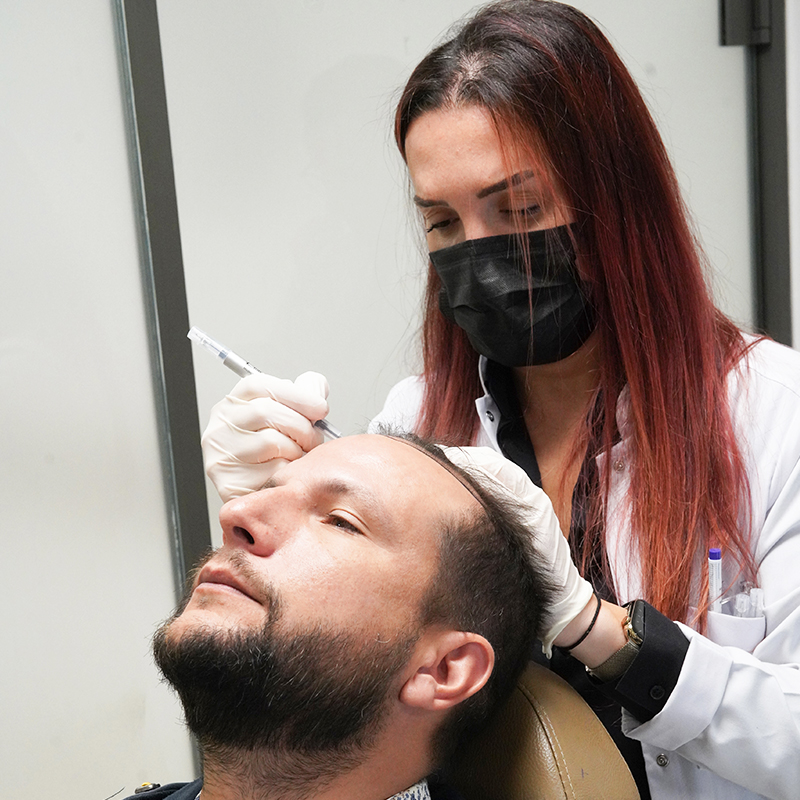
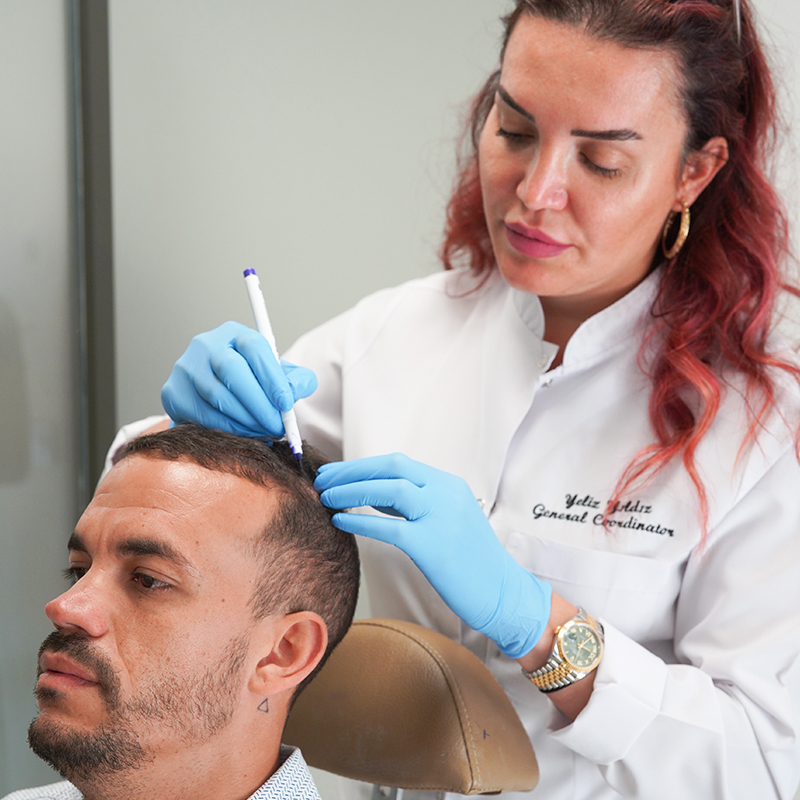
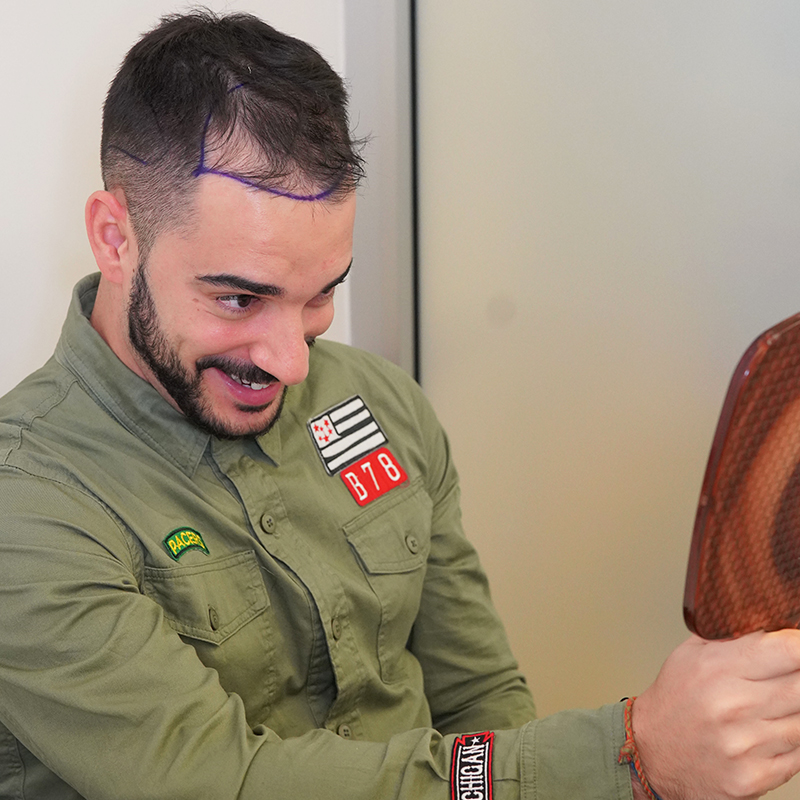
- Examination and Design: The doctor determines graft count and natural hairline design.
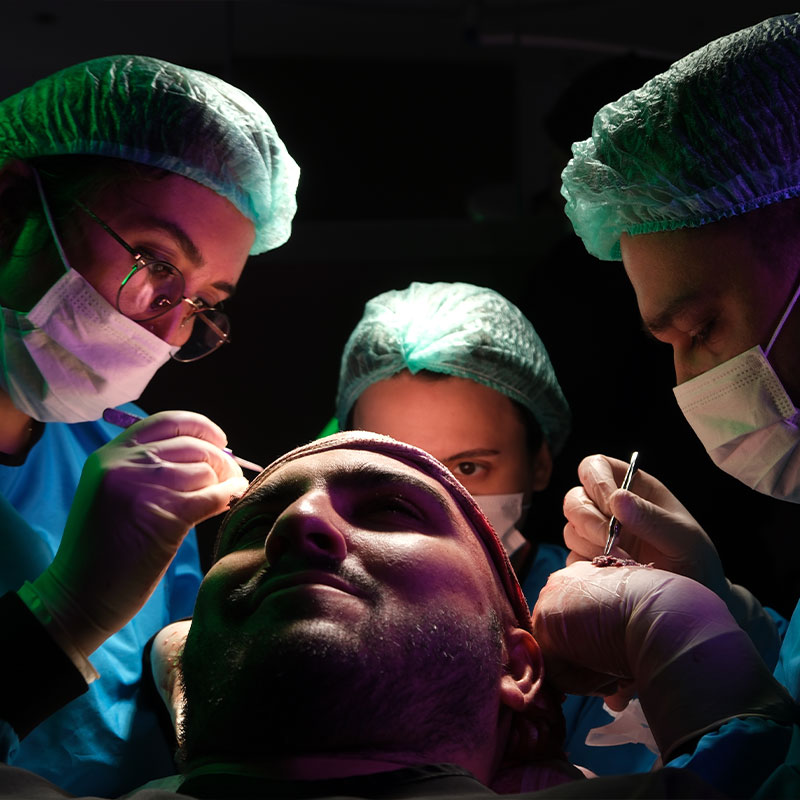
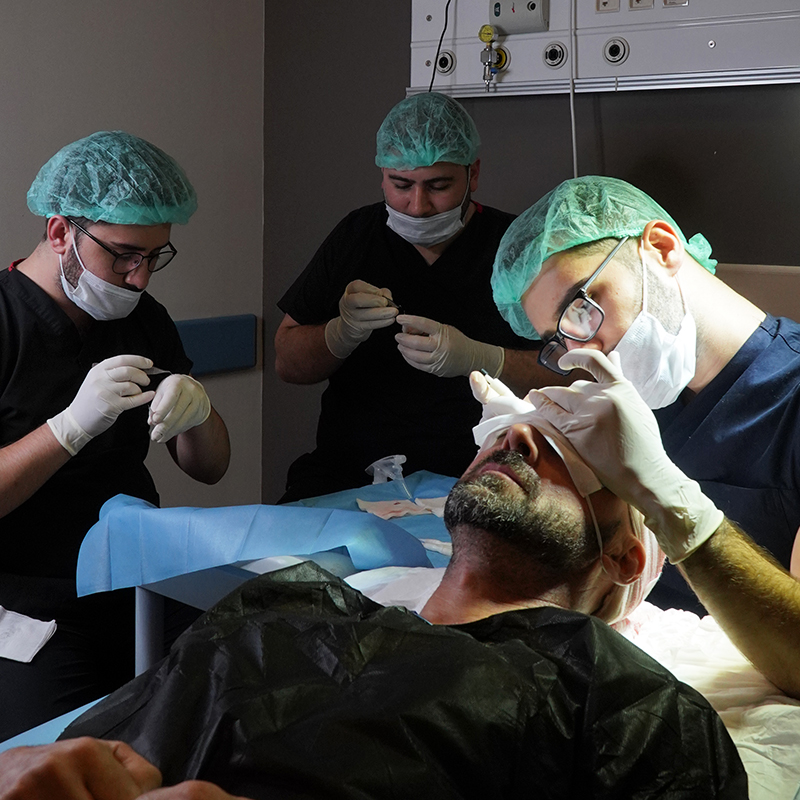
- Procedure Day: Performed under local anesthesia with high precision.
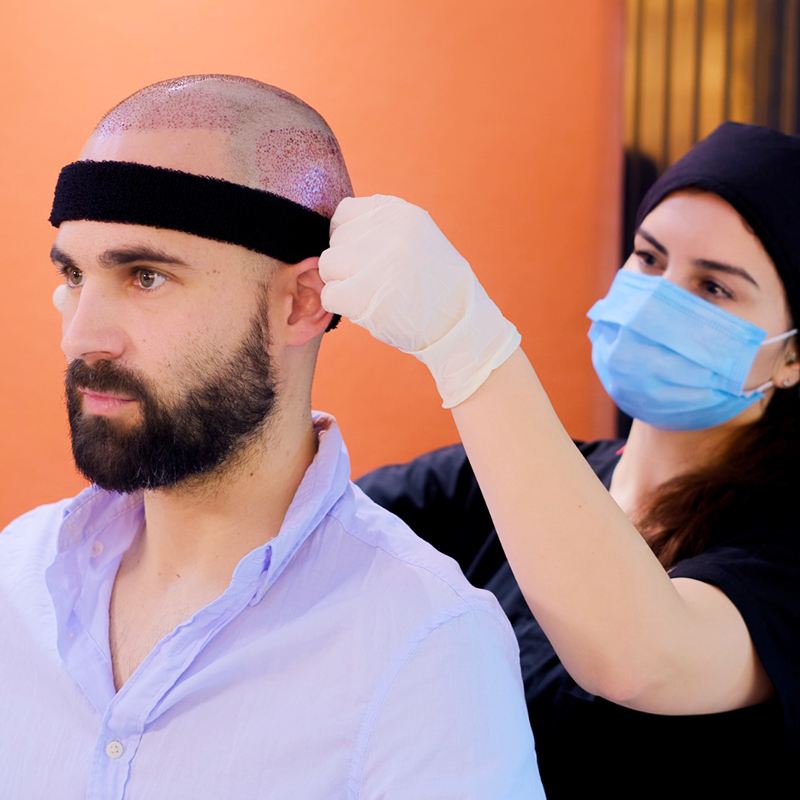
- Post-Care & Follow-Up: Daily washing instructions, PRP sessions, and 12-month growth monitoring.
Patients typically stay 3 days in Turkey and return home with full instructions for care. Within 6–12 months, the final results appear: permanent, dense, and natural-looking hair.
Frequently Asked Questions
1. Is genetic hair loss reversible?
Not entirely, but it can be slowed and restored using treatments like Mesotheraphy, and advanced hair transplant methods at Estepera Hair Clinic.
2. At what age does genetic baldness usually start?
It can start as early as the late teens for men and in the 30s for women. Early diagnosis ensures more effective prevention.
3. Can stress make genetic hair loss worse?
Yes. Chronic stress triggers hormonal changes that accelerate DHT production, worsening hereditary hair loss.
4. How successful are hair transplants for genetic baldness?
At Estepera, modern FUE and DHI transplants achieve over 95% graft survival rate, offering lifelong results.
5. Is hair transplant safe for women with hereditary hair loss?
Absolutely. Estepera performs female hair transplants with customized techniques preserving natural density and design.
Instagram : @esteperahairclinic
Youtube : @esteperahairclinic
Trustpilot : Estepera.com
📚 Sources:
- Androgenetic Alopecia — Pathophysiology & Clinical Overview — NCBI Bookshelf (StatPearls)
- Genetic Factors in Male Pattern Baldness — National Institutes of Health (NIH)
- Dihydrotestosterone (DHT) and Hair Loss — American Academy of Dermatology (AAD)
- Female Pattern Hair Loss — American Academy of Dermatology (AAD)
- Hair Transplantation Techniques (FUE, DHI, Sapphire) — Cleveland Clinic
- Stress and Cortisol Impact on Hair Follicles — Journal of Investigative Dermatology (JID)
- Nutritional Deficiencies and Hair Loss — Harvard Health Publishing
- Traction Alopecia and Preventable Hair Loss — DermNet NZ