 FR
FR ES
ES IT
IT DE
DE RU
RU PT
PT AR
AR RO
RO BG
BG MK
MK IL
IL GR
GR ID
ID SK
SK JP
JP CN
CN PL
PL KR
KR TR
TR
Why Is My Scalp Tender in One Spot? Causes, Symptoms & Complete Guide
A tender spot on your scalp is usually caused by mild trauma, pressure from headgear, sunburn, tight hairstyles, or a localized scalp condition. Most cases improve with gentle care and avoiding irritation, but persistent tenderness may require a professional scalp evaluation.
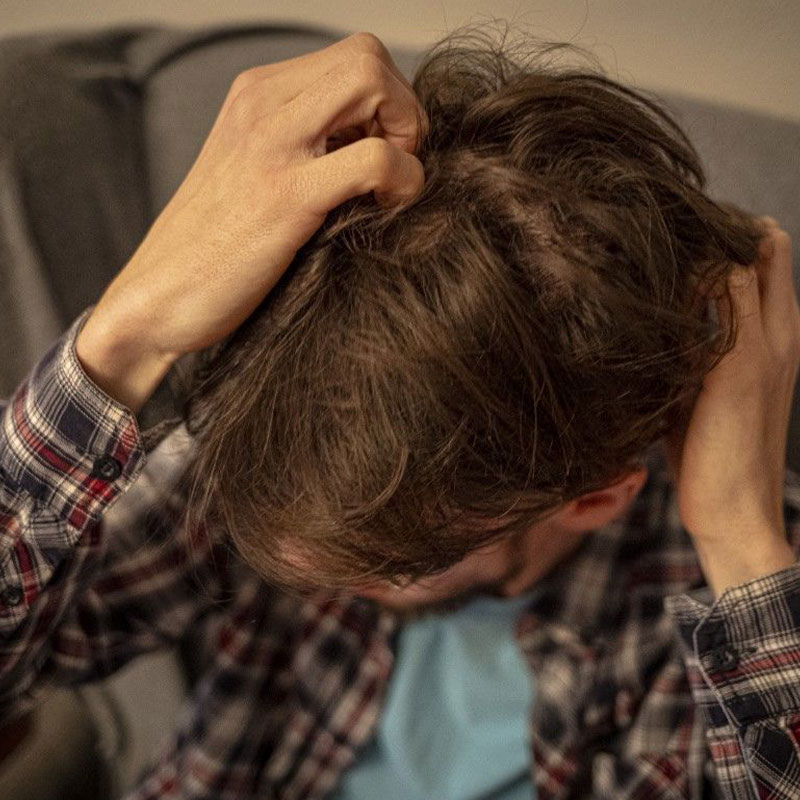
Scalp tenderness especially when it occurs in just one specific area—can be an uncomfortable and even worrying experience. Many people notice soreness, sensitivity, or a painful spot on their scalp when they touch their head, move their hair, or lay down on a pillow. Although this may feel alarming at first, the majority of cases are related to mild issues that can be managed with simple lifestyle changes, gentle care routines, or by avoiding irritating habits.
Localised scalp tenderness can be caused by a number of factors, ranging from minor skin irritation to dermatological conditions and even neurological triggers. Understanding why this happens and what your symptoms mean is essential to addressing the problem early and preventing it from becoming chronic. This comprehensive guide will walk you through all common causes of tenderness in one spot, ways to find relief at home, prevention tips, and when to seek professional evaluation.
At the end of this article, you will also find a helpful overview of how Estepera Hair Clinic in Turkey can assist individuals with persistent scalp issues or hair loss concerns.
What Does It Mean When Your Scalp Is Tender in One Spot?
Scalp tenderness refers to discomfort, pain, pressure sensitivity, burning sensations, tingling, or soreness felt when touching or moving the hair. Some people experience a dull ache, while others describe a sharp, stinging, or inflamed feeling. Although tenderness can occur across the entire scalp, it often appears in one small area. This is usually a clue to identifying the underlying cause.
Localised scalp tenderness is typically associated with:
- A recent minor injury or irritation
- A specific repetitive habit
- Pressure applied to the same spot
- A small dermatological flare-up
- A stress-related reaction affecting one area
- Neural sensitivity triggered by headaches or inflammation
Understanding the exact location and characteristics of your pain can be extremely helpful. For example, tenderness near the hairline may point to tension from tight hairstyles, whereas tenderness on the crown may relate to friction from headgear or long-term pressure.
Why Is My Scalp Tender in One Spot? 7 Common Causes
Below are the seven most frequent reasons people experience localised scalp tenderness. Each section explains what to look for and how these issues typically develop.
1. Mild Scalp Trauma
One of the most common causes is a simple bump, scratch, or bruise on the head. Even a minor accidental impact—such as hitting your head on a cabinet, scratching too aggressively, or sleeping on a rough surface—can cause lingering tenderness in one spot.
Scalp skin is thin and highly vascular, making it more sensitive than most areas of the body. Because of this, even a minor injury can lead to:
- Soreness when touched
- A small scab
- Bruising beneath the surface
- Localised inflammation
- Increased sensitivity during hair movement
Sometimes, you may not remember the exact moment the trauma occurred. People often cause micro-scratches while brushing or itching their head without realising it. These tiny abrasions can create a sore spot that becomes noticeable when shampooing, styling hair, or even laying down.
Symptoms to Look For
- A visible bump, scratch, or scab
- Mild redness
- Pain that worsens with pressure
- Slight swelling in the affected area
- Tenderness that improves after a few days
If the area becomes warm, swollen, increasingly painful, or begins oozing, this may indicate infection, and medical attention may be necessary.
2. Friction or Pressure From Headgear
Anything that sits tightly on the head for prolonged periods can cause tenderness in one specific spot. This includes:
- Helmets
- Tight hats
- Headbands
- Headsets or headphones
- Scarves or bandanas
- Workplace protective gear
Pressure on the same area day after day creates irritation in the skin and underlying nerves. The affected area may feel bruised, sensitive, or swollen, even when nothing is touching it anymore.
What Makes This Worse?
- Wearing headgear that is too tight
- Hard plastic surfaces with no padding
- Long hours of use (e.g., cyclists, motorcyclists, construction workers, call center employees)
- Sweating under headgear, which increases friction
Common Symptoms
- Redness or slight swelling
- A burning sensation
- Sensitivity after removing the headgear
- Tenderness when brushing or touching the area
This type of discomfort usually disappears once you remove the irritating pressure and allow the area to rest.
3. Sunburn on the Scalp
People often forget the scalp when applying sunscreen, especially if their hair is thin, parted in the middle, or tied back. The scalp is just as vulnerable to UV damage as any other part of the skin.
When the scalp gets sunburned, the affected area may feel:
- Warm
- Tight
- Itchy
- Red or flaky
- Extremely tender to touch
In severe cases, peeling or blistering may occur. Sunburn also dries out the scalp, which can cause increased sensitivity and temporary hair shedding.
Where Does Scalp Sunburn Usually Occur?
- Along the hair part
- On thinning areas
- Near the temples
- On the crown
A small burnt area may remain tender for several days, especially when washing the hair with hot water or styling it.
4. Common Scalp Conditions
Several dermatological conditions can cause tenderness in isolated areas of the scalp. Even if the condition is present elsewhere, flare-ups often occur in one particular spot first.
a. Scalp Psoriasis
Psoriasis causes patches of thick, scaly, inflamed skin that can be itchy and painful. If a plaque forms in one specific region, that area becomes increasingly sensitive and tender. Removing scales, picking at flakes, or scratching can worsen the pain.
b. Atopic Dermatitis (Eczema)
This condition creates dry, irritated, red patches on the skin. A flare-up in one area of the scalp can cause soreness, itchiness, and cracking. Eczema can make the scalp feel raw or hypersensitive.
c. Scalp Folliculitis
Folliculitis occurs when hair follicles become inflamed, creating small bumps or pustules. If inflamed follicles cluster in one area, the spot becomes painful, especially when touched or when hair moves.
Symptoms include:
- A single painful bump
- Redness
- Itching
- Pus-filled blisters (sometimes)
Even if pustules aren’t visible, deep folliculitis can cause a tender lump under the skin.
d. Lichen Planopilaris
This inflammatory condition affects the hair follicles, causing red, painful, scaly patches that may be extremely sensitive. It often appears in small clusters, making specific areas feel sore.
e. Tinea Capitis (Ringworm of the Scalp)
This fungal infection often creates circular patches that are red, itchy, flaky, and tender.
f. Contact Dermatitis
Sensitivity or allergy to hair products, dyes, shampoos, laundry detergents, or accessories can create a tender spot where the irritant made contact. The area may swell, itch, burn, or blister.
Scalp conditions are best evaluated by dermatologists or hair specialists, as early diagnosis can prevent complications and reduce the risk of patchy hair loss.
5. Tension and Traction on the Hair (Traction-Related Tenderness)
Wearing hairstyles that pull tightly on the hair can create tenderness, especially in the areas experiencing the most tension. This is commonly seen in:
- Tight ponytails
- High buns
- Braids and cornrows
- Hair extensions
- Sleek hairstyles
- Tightly pinned styles
The pulling force irritates the hair follicles and sometimes the underlying nerves, which can cause:
- Tingling
- Soreness
- Localised redness
- Breakage
- A tender line around the hairline or temples
If the same spot experiences repeated strain, it may remain sensitive even after the hairstyle is removed.
6. Trichotillomania (Hair-Pulling Behavior)
Trichotillomania is an impulse-control condition in which individuals repeatedly pull out strands of hair. Some people consciously pull; others do so automatically when stressed, focused, or anxious.
Repeated pulling in one specific area of the scalp can cause:
- Localised soreness
- Redness
- Tender bumps
- Irritation
- A patch of thinning hair
Because the pulling often targets the same spot, the tenderness can become chronic if the behaviour isn’t addressed. People may not realise they are pulling their hair, especially during stressful situations or periods of deep concentration.
7. Migraine or Neurological Sensitivity
Neurological conditions like migraines can produce skin sensitivity known as cutaneous allodynia — where the nerves in the scalp become hypersensitive to even light touch.
In these cases, the scalp appears normal, but the pain is real and triggered by nerve activity. A person may feel pain when:
- Brushing hair
- Wearing a hat
- Resting the head on a pillow
- Touching the tender spot
Migraine-related scalp tenderness can last days, especially after a headache episode. Some people experience this regularly due to recurring migraine cycles.
How to Relieve Scalp Tenderness at Home
While you determine the cause or wait for a specialist appointment, several methods may help reduce discomfort:
1. Apply a Cool Compress
Cooling reduces inflammation and numbs the area slightly, easing pain.
2. Keep Your Scalp Clean
Using gentle, non-irritating shampoo helps reduce buildup and inflammation, especially if your tenderness is caused by dandruff or mild irritation.
3. Avoid Touching or Scratching
Over-touching increases irritation and may worsen existing injuries or dermatitis.
4. Avoid Tight Hairstyles and Headgear
If tension or friction is the cause, give your scalp time to rest and recover.
5. Massage Gently (If Not Painful)
A very light massage can increase blood flow and soothe tension—but only if it does not increase pain.
6. Reduce Stress
Stress-related scalp issues such as trichotillomania or tension sensitivity often improve when stress levels are managed.
7. Protect Your Scalp From Sunlight
If you’re experiencing sunburn, covering your scalp and avoiding excessive heat can reduce soreness and prevent further irritation.
These steps generally ease symptoms within a few days unless the underlying cause is chronic or dermatological.
How to Prevent Scalp Tenderness in One Spot
Prevention depends on removing the triggers that irritate your scalp. Here are key tips:
- Keep your scalp clean and properly hydrated.
- Avoid hairstyles that pull tightly on the roots.
- Use soft, well-fitting hats or helmets.
- Give your scalp breaks from accessories like headbands or headphones.
- Protect thinning areas or hair parts when exposed to the sun.
- Avoid scratching aggressively.
- Be cautious when using new hair products.
- Maintain good stress management habits.
- See a specialist if you suspect a dermatological condition.
Consistency with these habits drastically lowers your chances of developing scalp sensitivity in specific areas.
Does Scalp Tenderness Mean Hair Loss?
The connection between tenderness and hair loss depends entirely on the root cause.
Tenderness Not Likely to Cause Hair Loss
- Mild scalp trauma
- Sunburn
- Migraine-related sensitivity
- Temporary irritation from headgear
These conditions can cause short-term inflammation without damaging the follicles.
Tenderness That May Be Linked to Hair Loss
- Dermatological conditions like dermatitis, psoriasis, or folliculitis
- Fungal infections (ringworm)
- Chronic tension from hairstyles
- Repeated pulling (trichotillomania)
- Severe allergic reactions
- Long-term scalp inflammation
Inflammation can weaken hair follicles, sometimes leading to temporary shedding or patchy hair thinning if not addressed early.
If you are experiencing both tenderness and visible thinning, it is advisable to seek a professional evaluation to identify whether the two conditions are related.
When Should You See a Specialist?
You should speak to a dermatologist or hair specialist if:
- Tenderness lasts longer than one week
- The area becomes more swollen, red, or warm
- You see visible hair thinning in the affected spot
- The tenderness keeps recurring
- There are signs of infection
- You suspect a dermatological condition
- You have chronic headaches with persistent scalp pain
Early diagnosis ensures faster relief and prevents long-term complications.
Concerned About Your Scalp Tenderness? Estepera Hair Clinic Can Help
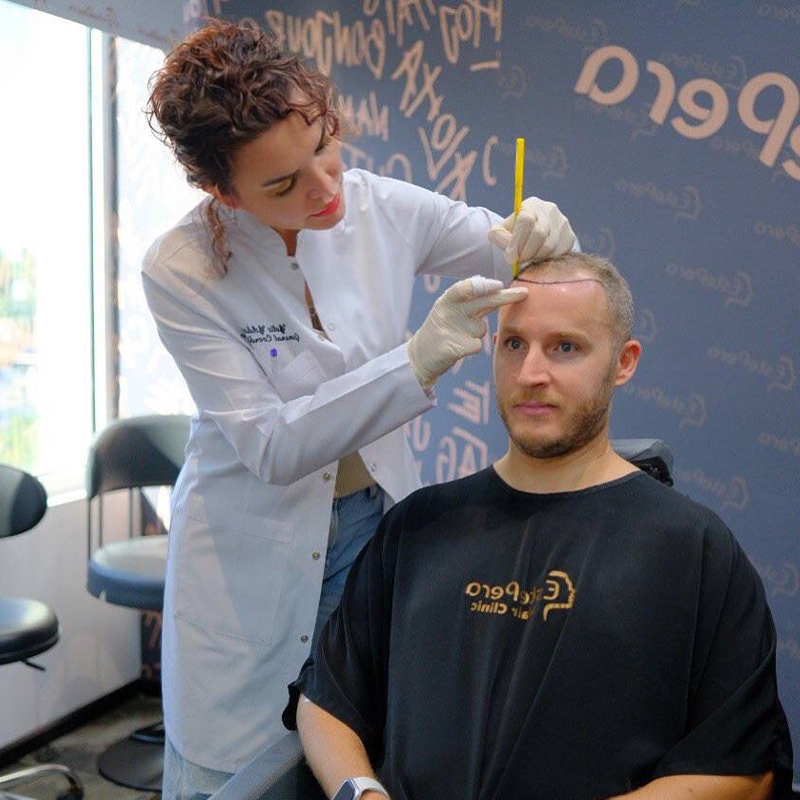
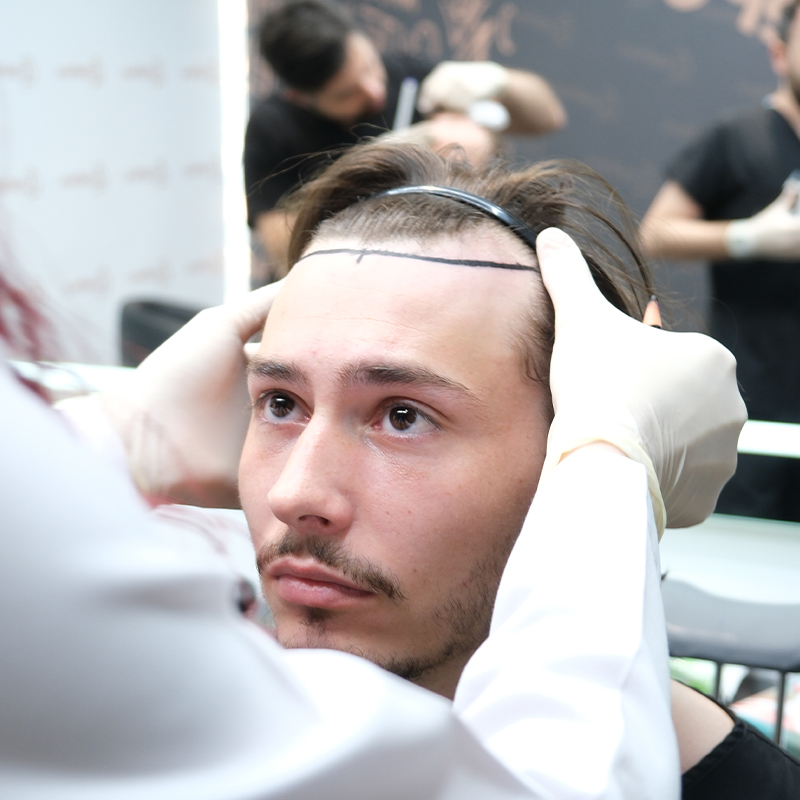
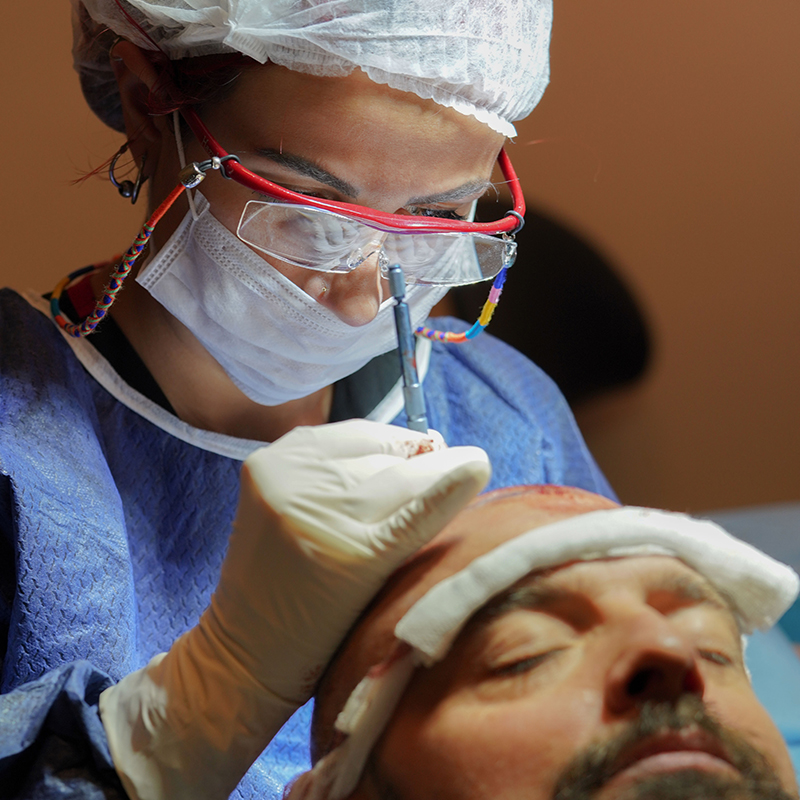
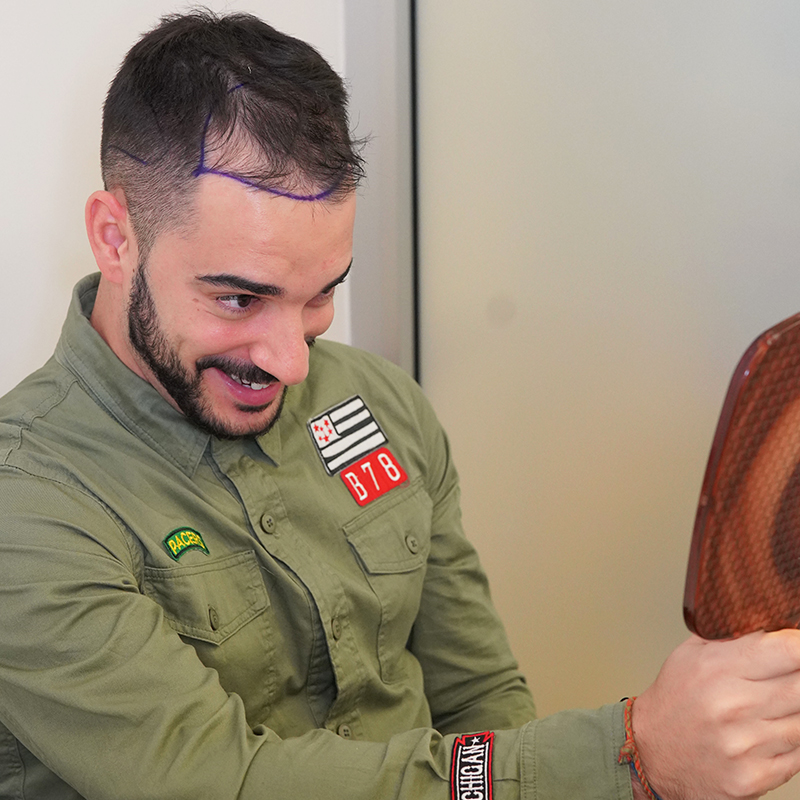
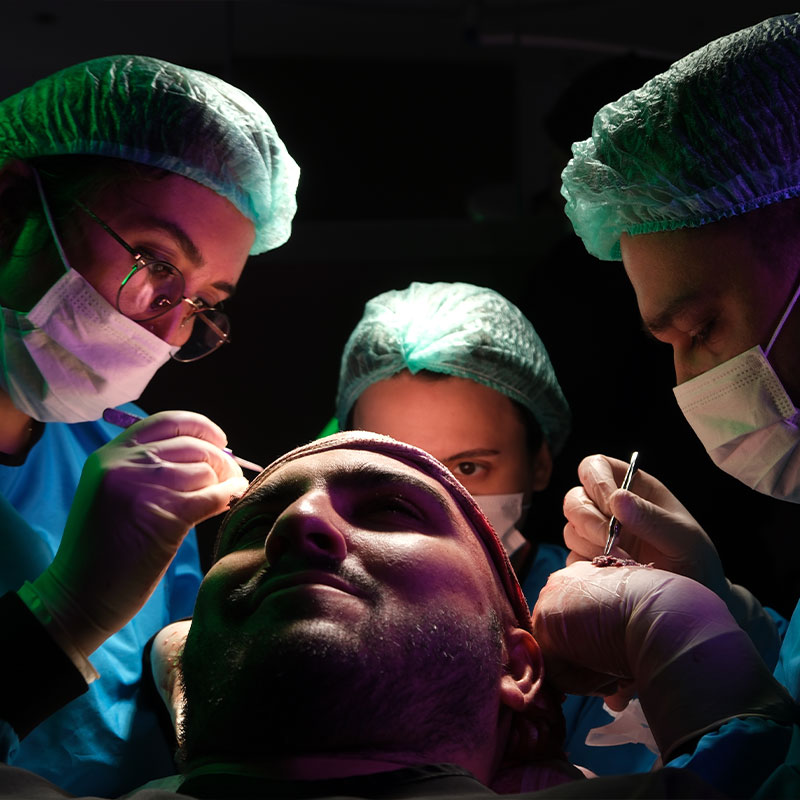
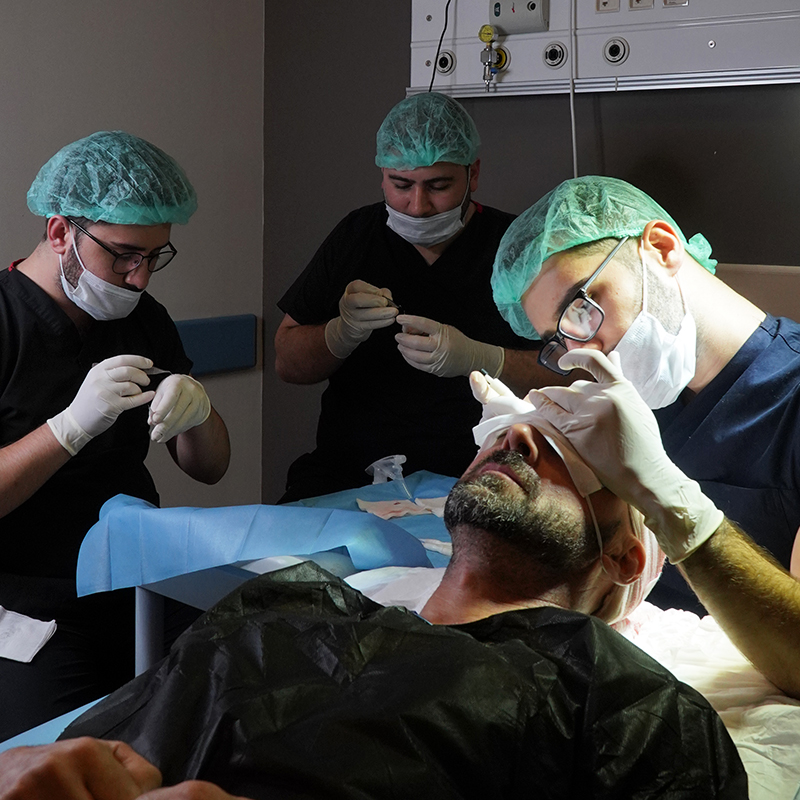
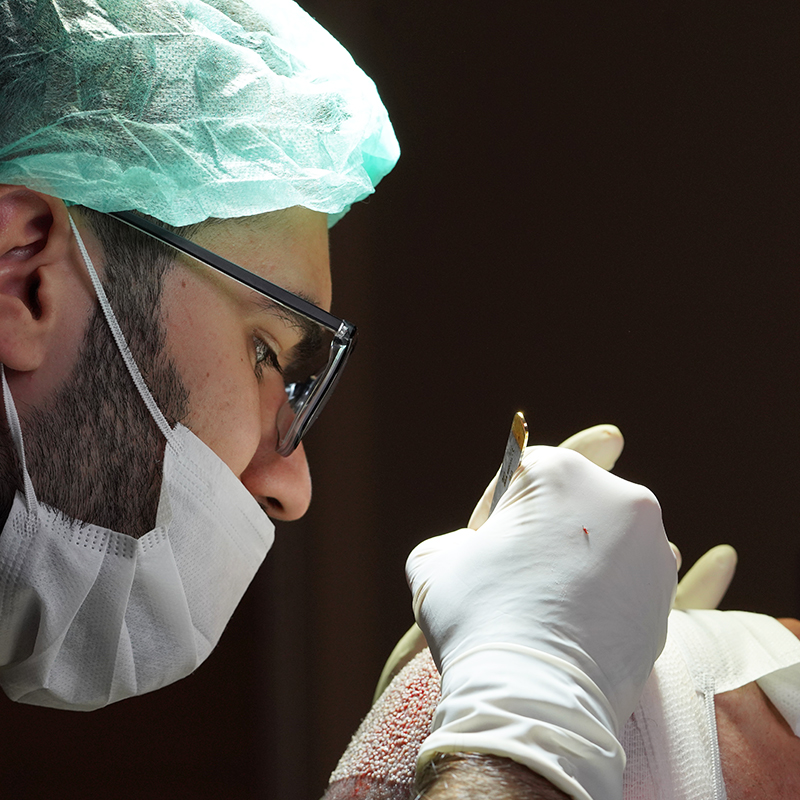
If you’re worried about persistent scalp tenderness, recurring sensitivity, or any signs of hair thinning, it’s important to get expert guidance. Estepera Hair Clinic, one of the leading centres for Hair Transplant Turkey, offers professional scalp assessments performed by specialists experienced in diagnosing scalp conditions, hair loss patterns, and overall hair health.
The clinic provides:
- Comprehensive scalp examinations
- Expert evaluation of localised tenderness and sensitivity
- Personalised hair health guidance
- Advanced solutions for hair thinning or pattern hair loss
- Natural-looking, high-success-rate hair restoration procedures
Trustpilot : Estepera.com
With thousands of international patients and a reputation for exceptional medical care, Estepera Hair Clinic helps individuals regain confidence, understand their scalp concerns, and find long-term solutions for healthier hair.
If your scalp tenderness is causing anxiety or is accompanied by hair changes, you can contact Estepera for a detailed consultation and personalised care plan.