 FR
FR ES
ES IT
IT DE
DE RU
RU PT
PT AR
AR RO
RO BG
BG MK
MK IL
IL GR
GR ID
ID SK
SK JP
JP CN
CN PL
PL KR
KR TR
TR
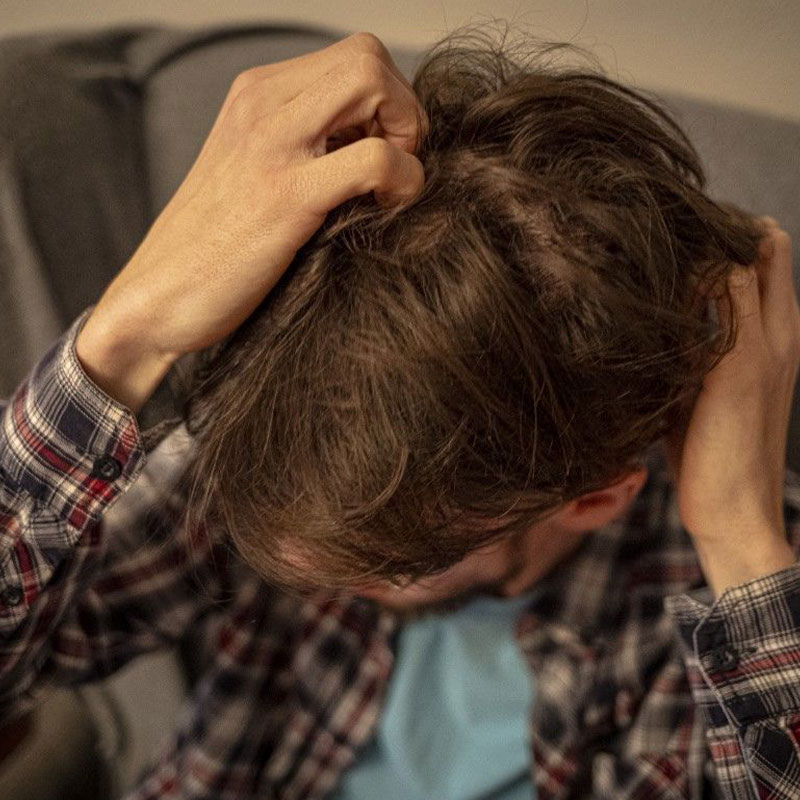
How to Reverse Thinning Hair After Menopause : Menopause marks a transformative phase in a woman’s life, characterized not only by the end of reproductive years but also by a profound hormonal and metabolic transition. Among its various physiological effects, one of the most distressing for many women is hair thinning or hair loss. Scientific studies estimate that up to 50 % of women experience noticeable hair thinning during or after menopause (Kanti et al., Dermato-Endocrinology, 2013).
Hormonal Changes and Hair Health
During menopause, the ovaries drastically reduce estrogen and progesterone production. Estrogen prolongs the anagen (growth) phase of hair, while progesterone counteracts androgens such as dihydrotestosterone (DHT). With falling estrogen, DHT becomes more dominant, shrinking hair follicles and producing finer, weaker hair shafts. As a result, scalp density decreases, particularly in the frontal and crown areas.
This hormonal imbalance also affects scalp circulation and the follicular microenvironment. Reduced estrogen leads to decreased microvascular perfusion, limiting nutrient delivery. According to research published in the International Journal of Molecular Sciences (2019), postmenopausal follicles exhibit increased oxidative stress and reduced mitochondrial activity—two key mechanisms contributing to follicular aging and miniaturization.
The Role of the Follicular Microenvironment
Hair follicles are mini-organs that rely on a delicate balance of vascular, hormonal, and cellular signals. In menopause, the following processes are observed:
- Diminished dermal papilla activity, leading to shorter hair cycles.
- Accumulation of oxidative by-products, impairing cellular repair.
- Lower vascularization, reducing oxygen and nutrient availability.
All these factors together cause progressive thinning rather than sudden baldness—a pattern often referred to as female pattern hair loss (FPHL).
Nutritional and Lifestyle Factors
While hormones play a central role, secondary influences must not be underestimated.
- Iron deficiency and thyroid imbalance are common triggers.
- Insufficient protein intake limits keratin synthesis.
- Stress elevates cortisol, disturbing the natural hair cycle.
- Poor scalp circulation and lack of physical activity compound these effects.
Therefore, any successful plan to restore hair volume after menopause must combine hormonal understanding with nutritional optimization, stress control, and scalp health support.
Mesotherapy: Cellular Stimulation for Follicular Revival
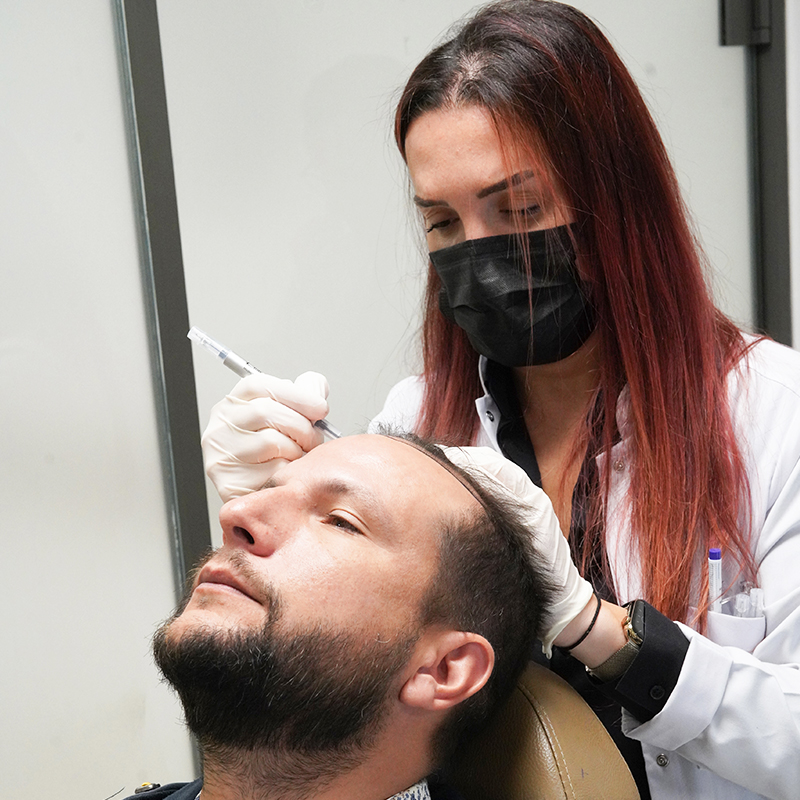
Among non-pharmacological interventions, hair mesotherapy stands out as a scientifically grounded option. This technique involves micro-injections of vitamins, amino acids, and trace elements into the scalp to stimulate local metabolism and enhance follicular vitality.
Studies in the Journal of Cosmetic Dermatology (2020) demonstrated that mesotherapy can significantly improve hair density and scalp microcirculation in postmenopausal women. By directly nourishing the follicles, mesotherapy extends the anagen phase and encourages stronger regrowth without systemic side effects.
Typically performed in several sessions spaced a few weeks apart, the treatment aims to fortify thinning hair, enhance shine, and increase strand thickness. For women seeking a natural, physiology-driven solution, mesotherapy offers a minimally invasive path toward revitalized hair.
Hair Transplantation: Restoring Confidence with Precision
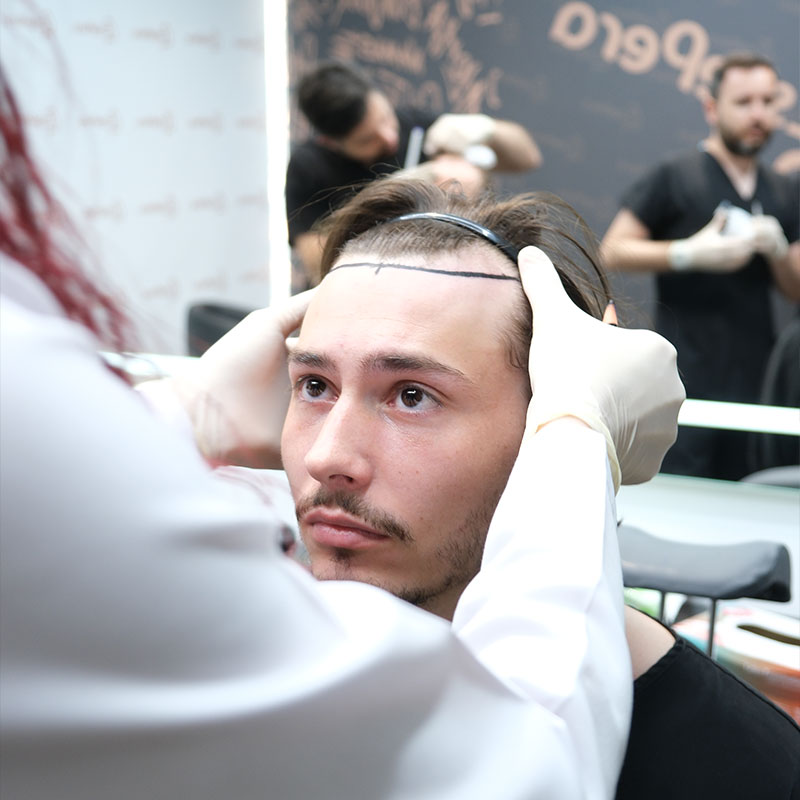
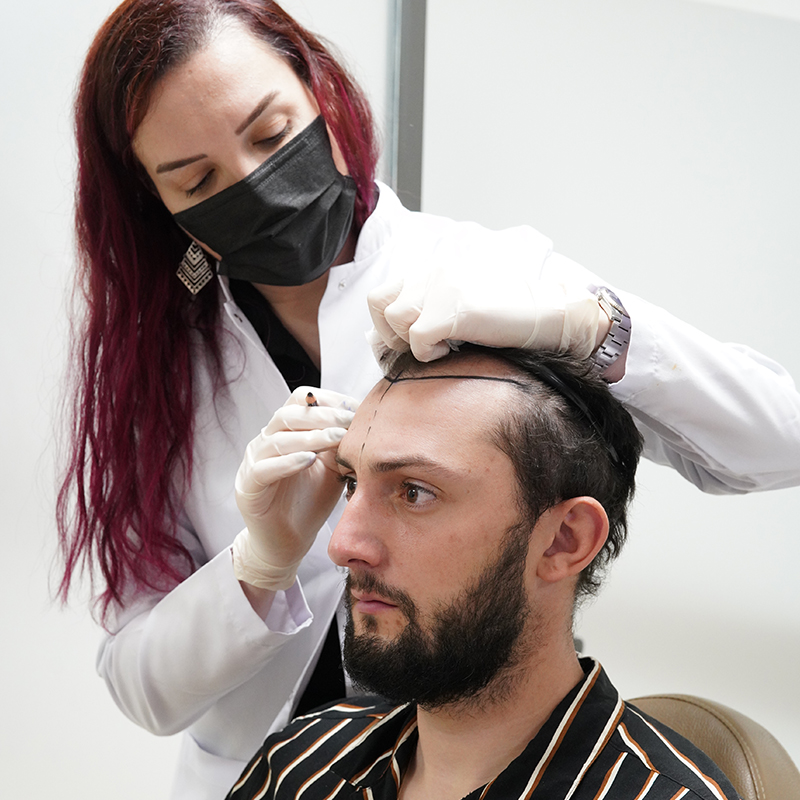
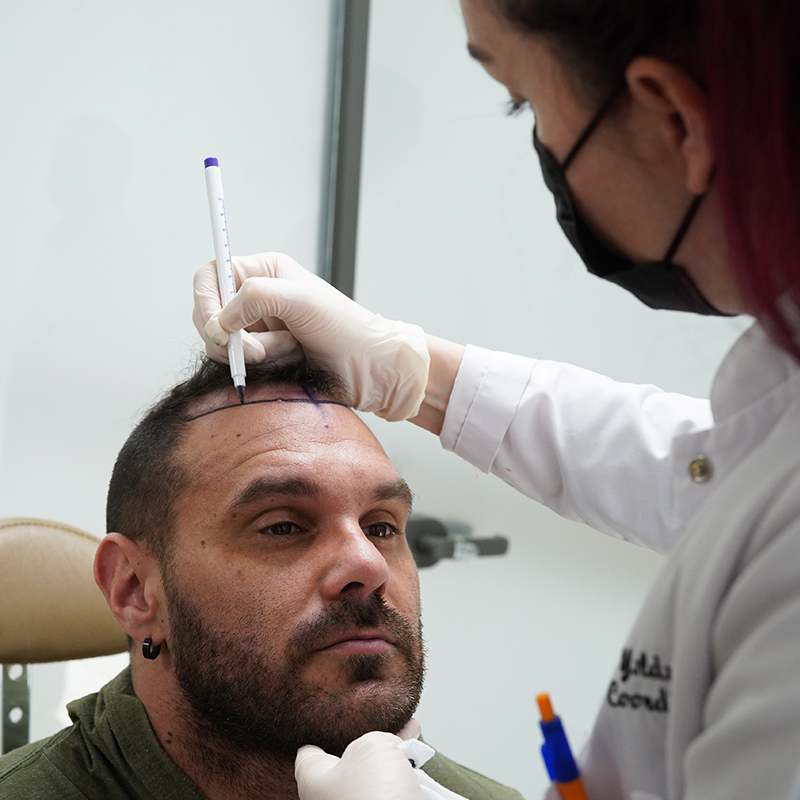
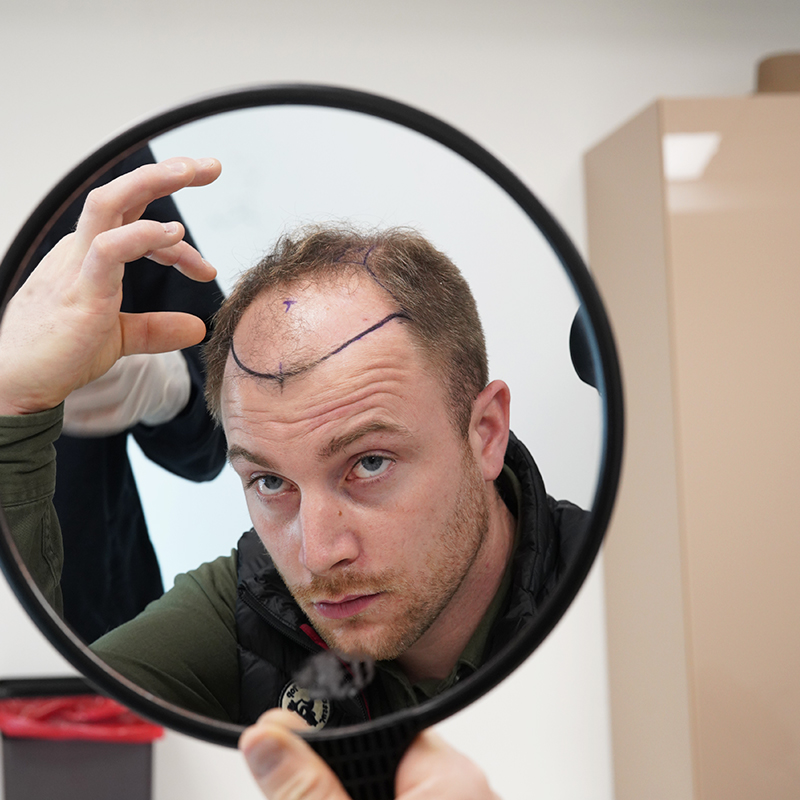
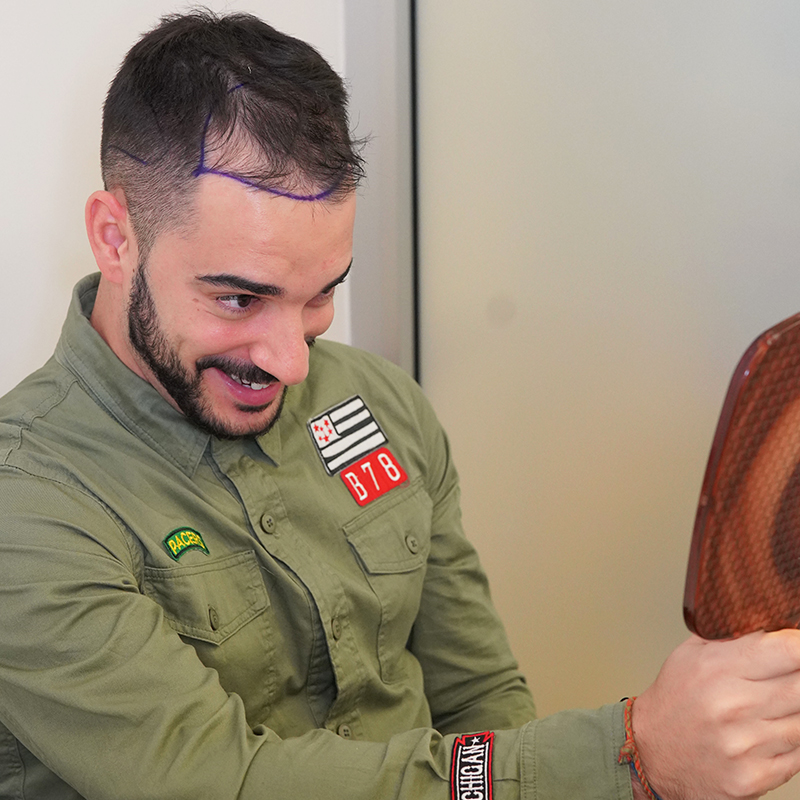
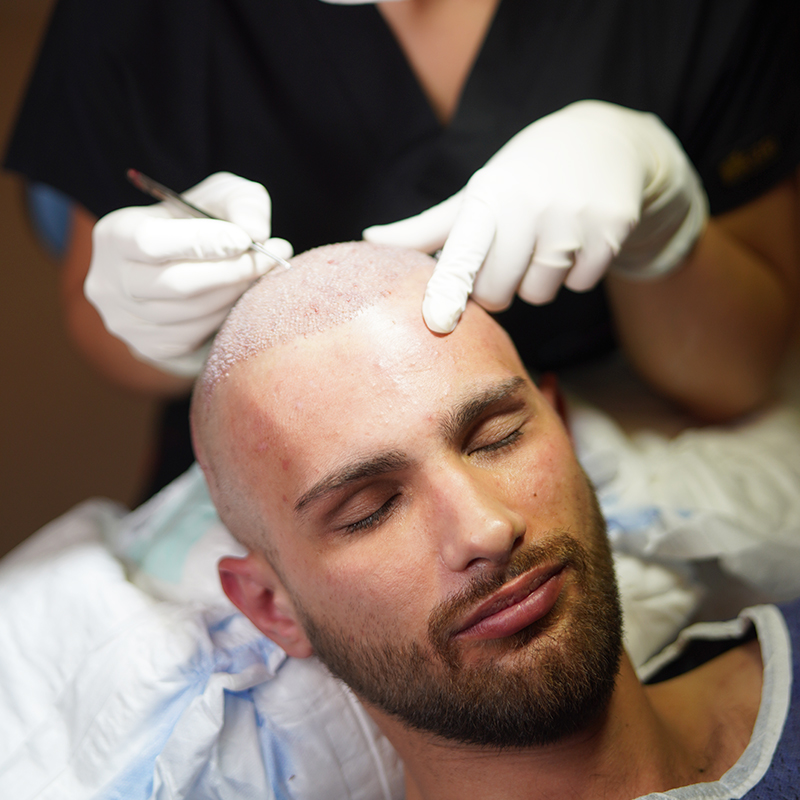
When hair thinning becomes permanent or density loss is severe, hair transplantation may provide a lasting solution. In women, the procedure differs from male transplantation: rather than creating a new hairline, the focus lies on volume enhancement and density restoration.
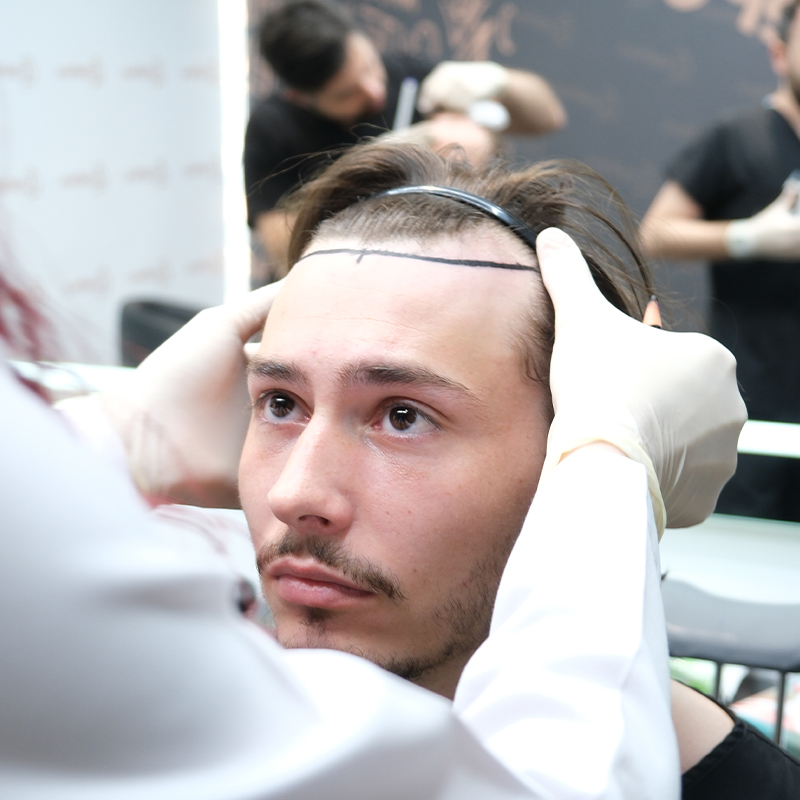
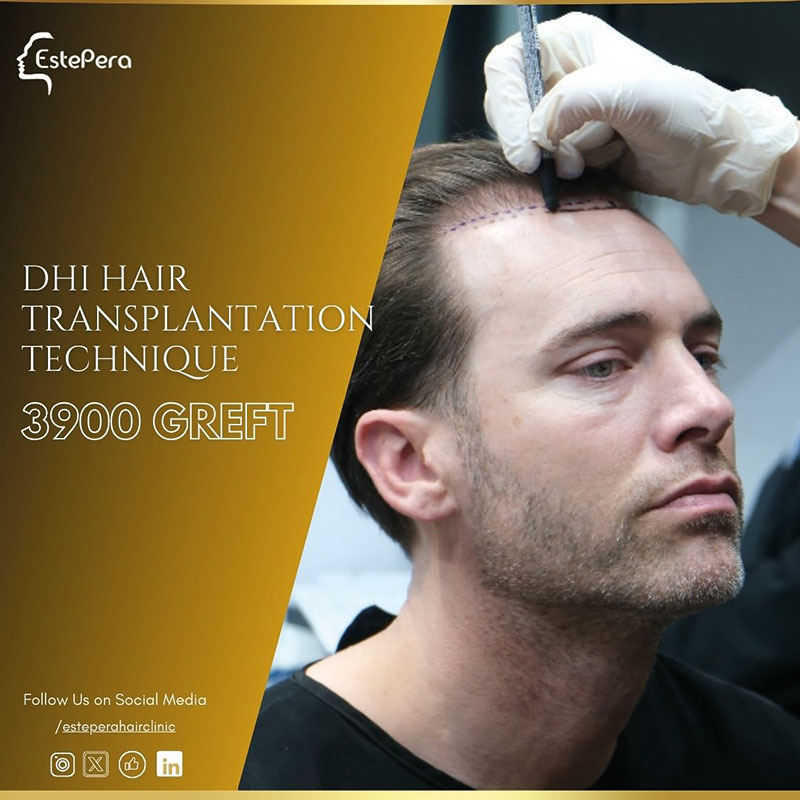
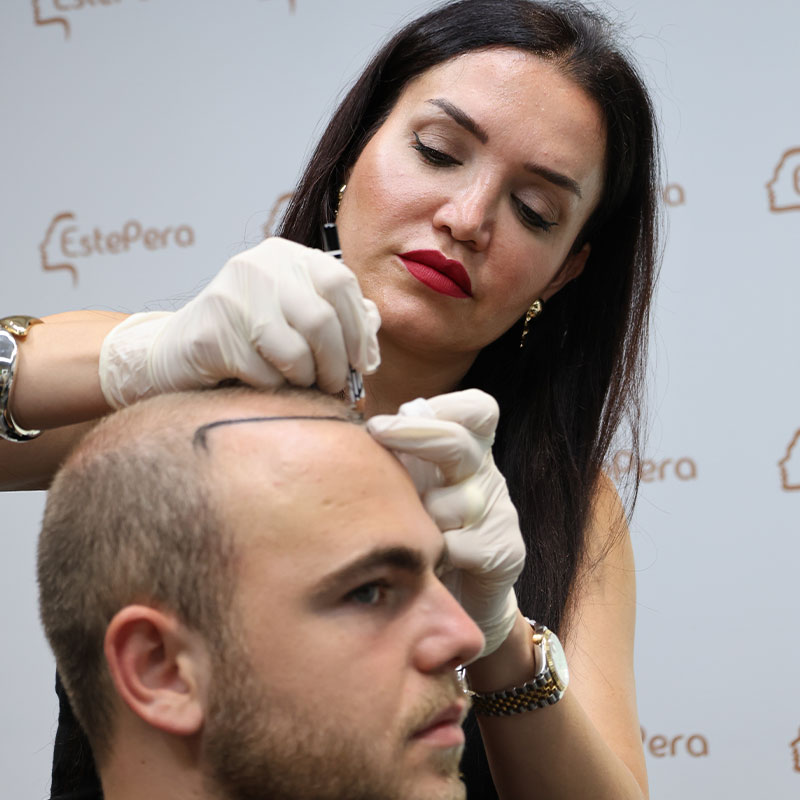
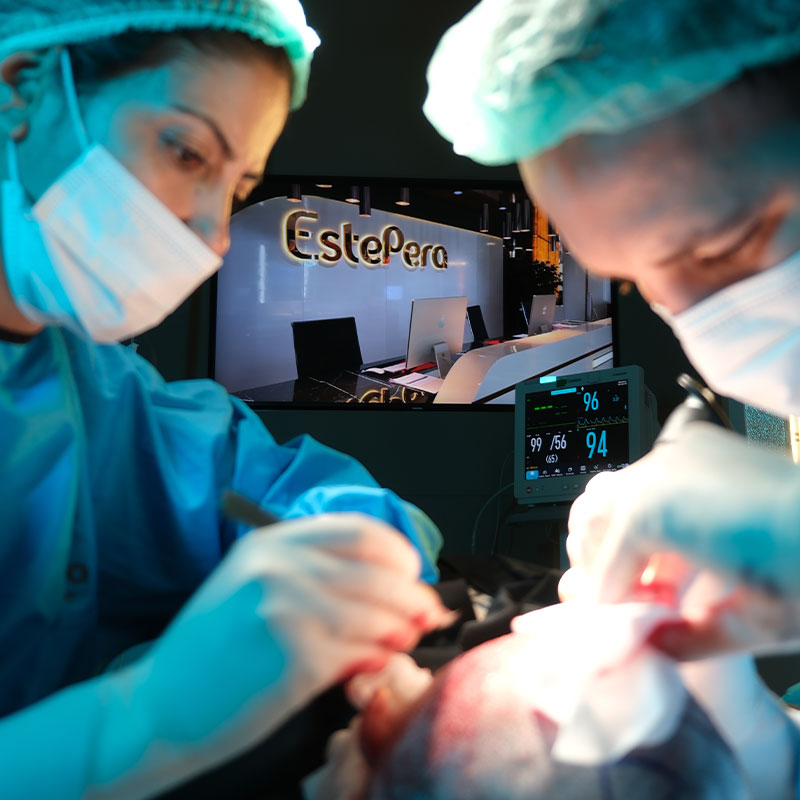
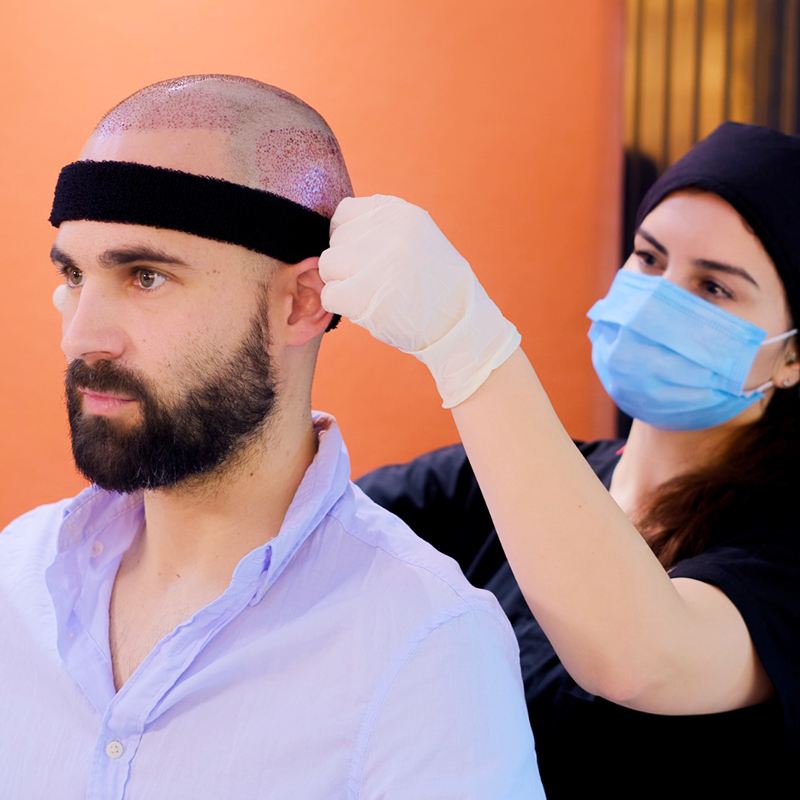
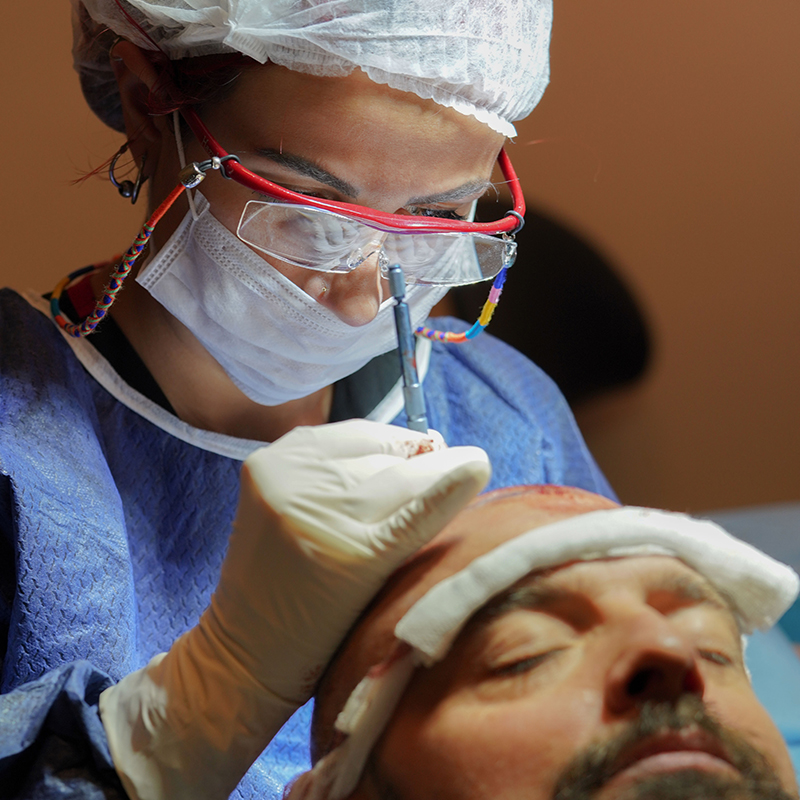
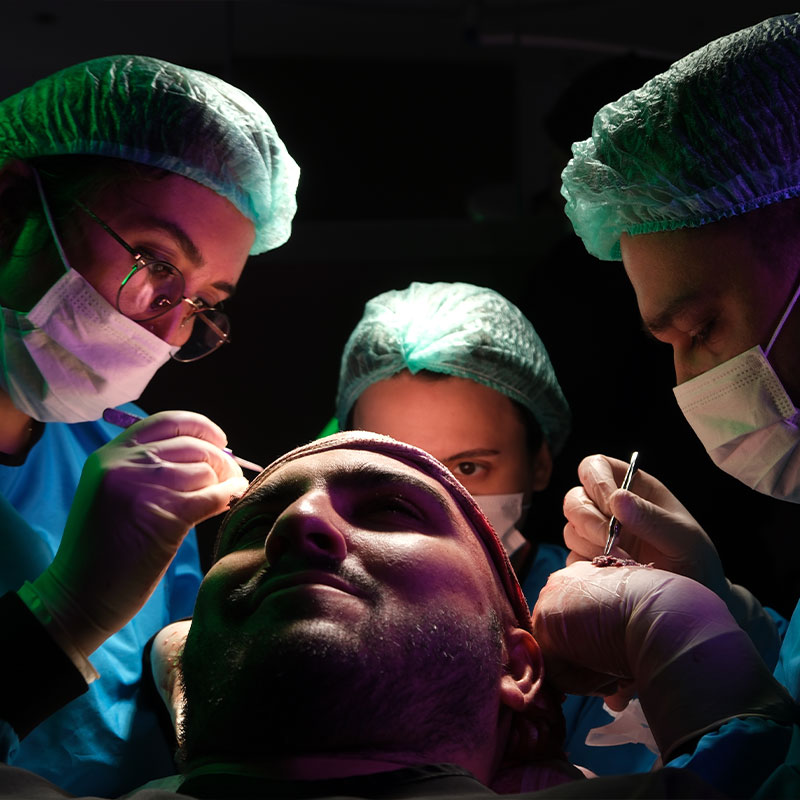
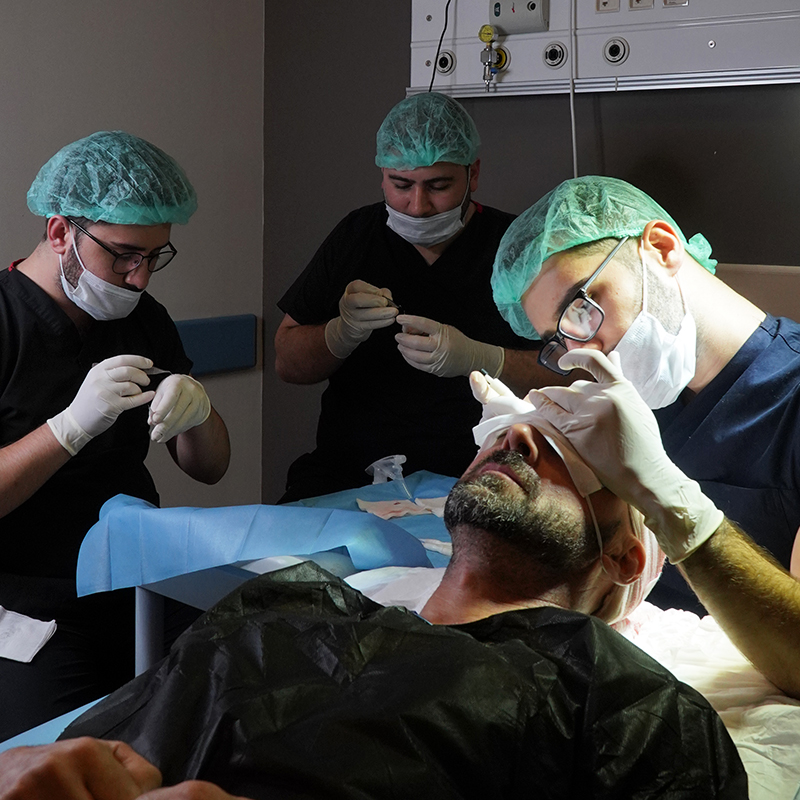
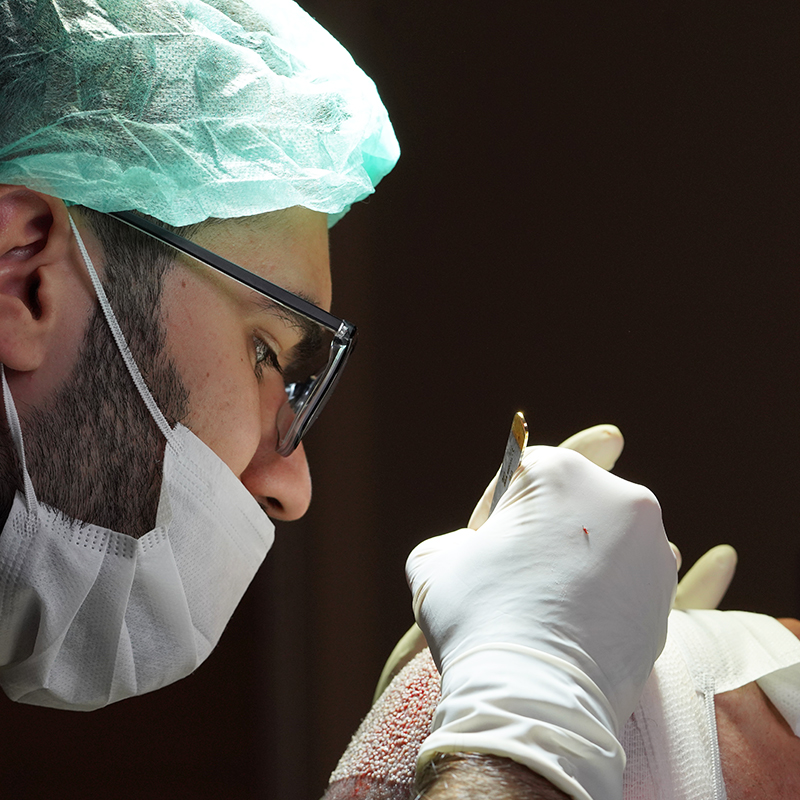
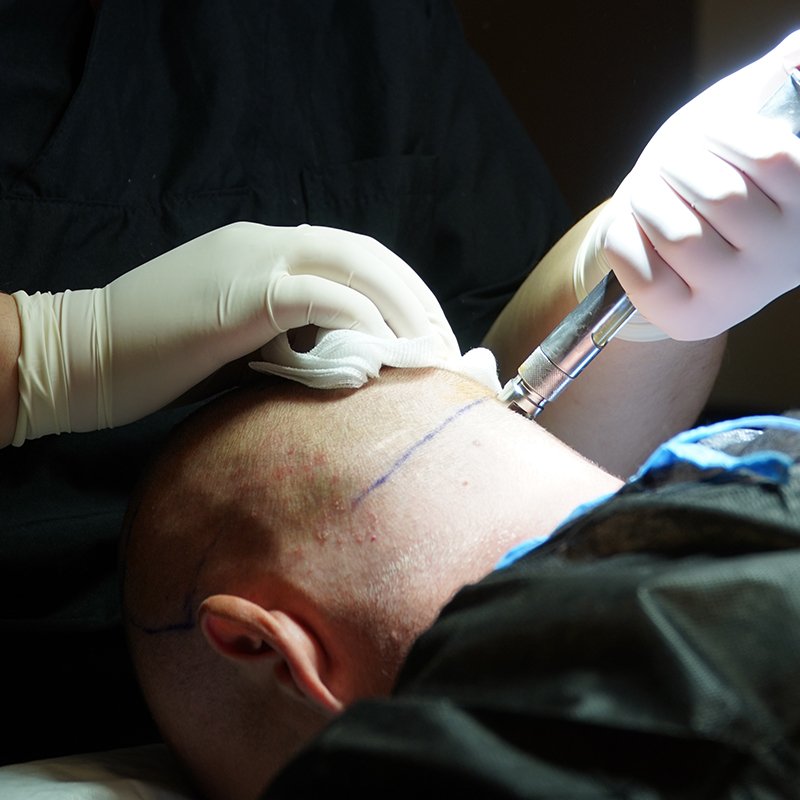
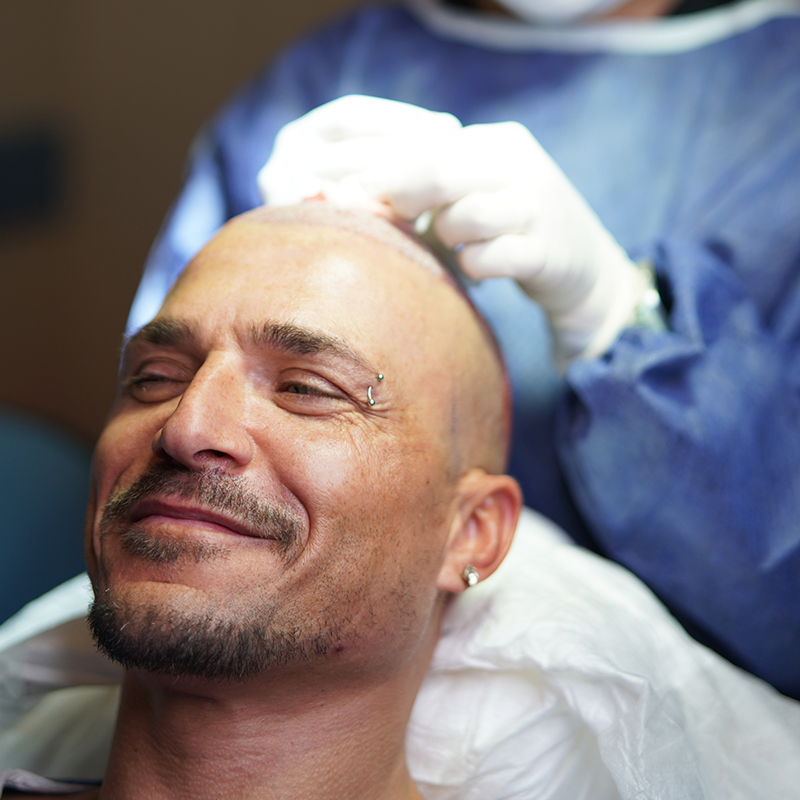
Techniques such as FUE (Follicular Unit Extraction) and DHI (Direct Hair Implantation) allow surgeons to harvest and implant follicles with microscopic precision. For postmenopausal women with stable hair loss, these techniques can yield remarkably natural results.
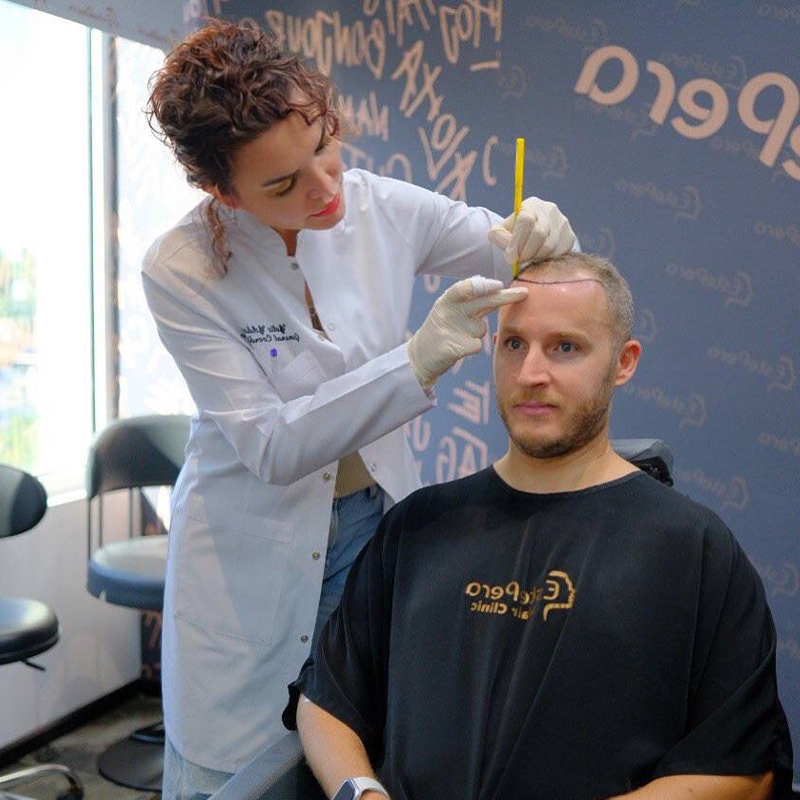
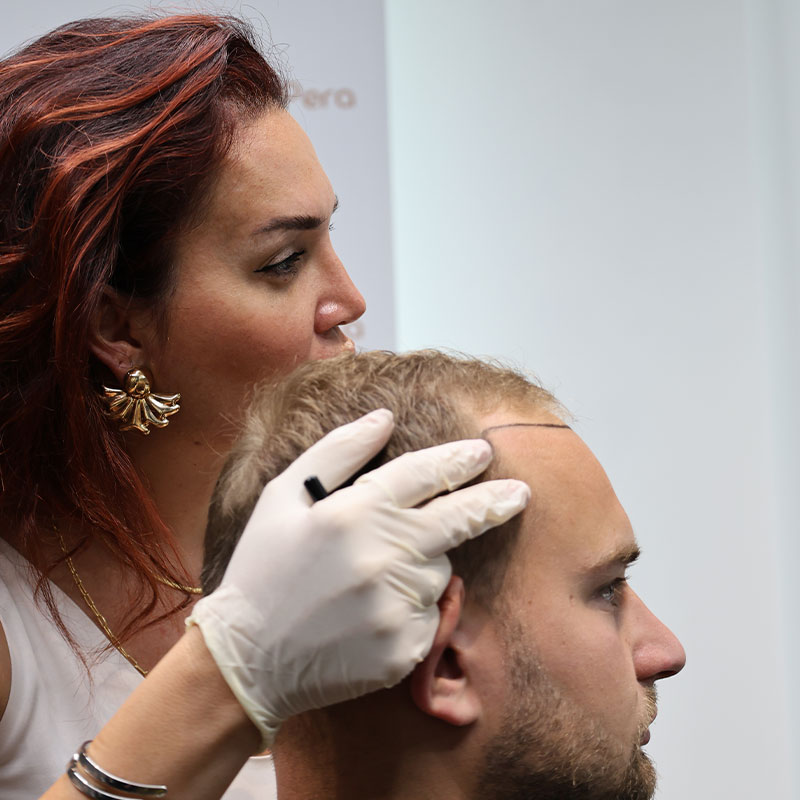
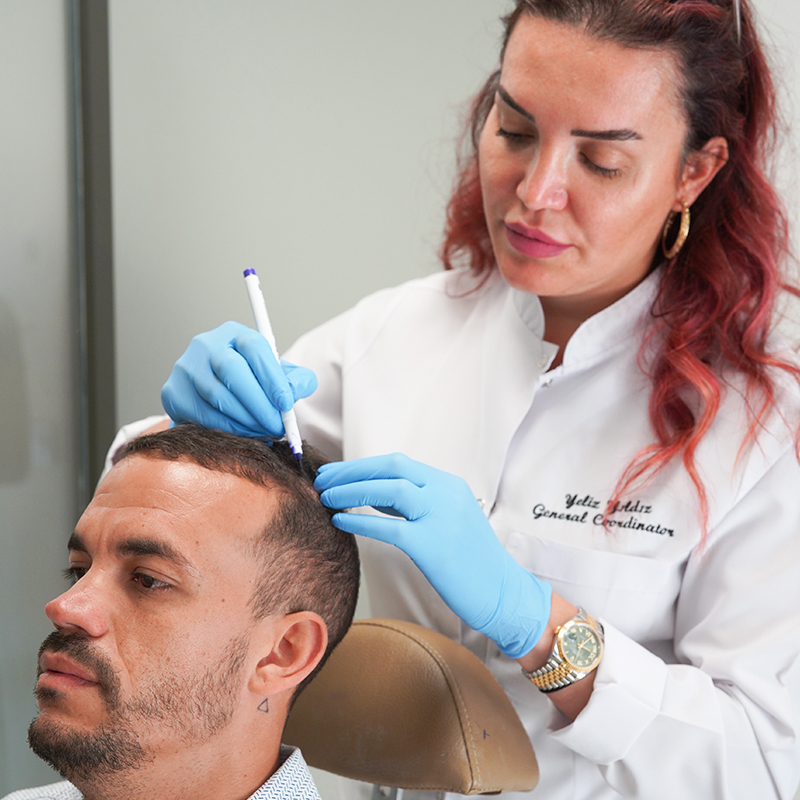
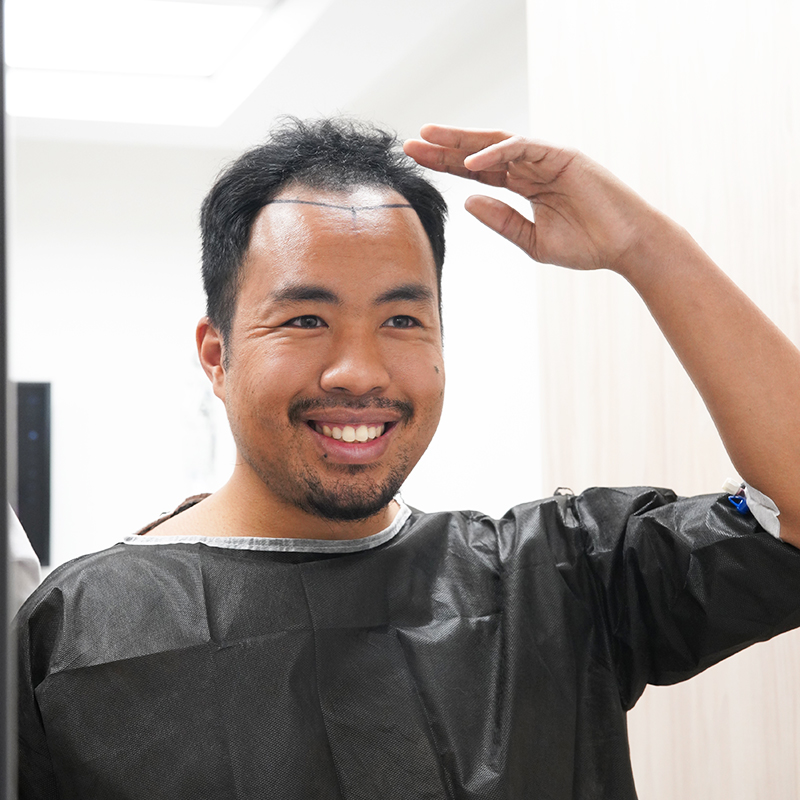
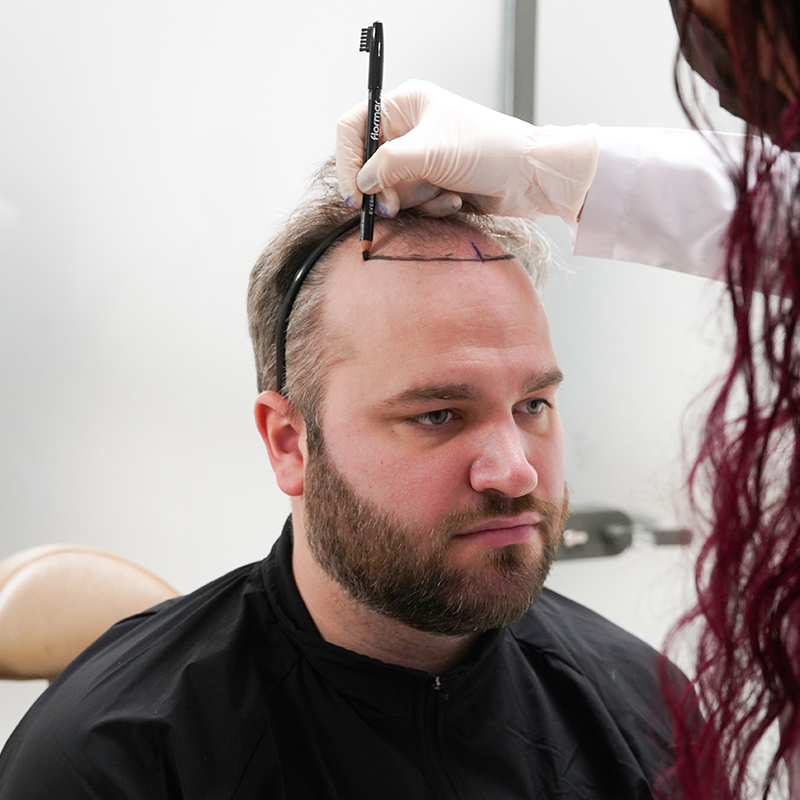
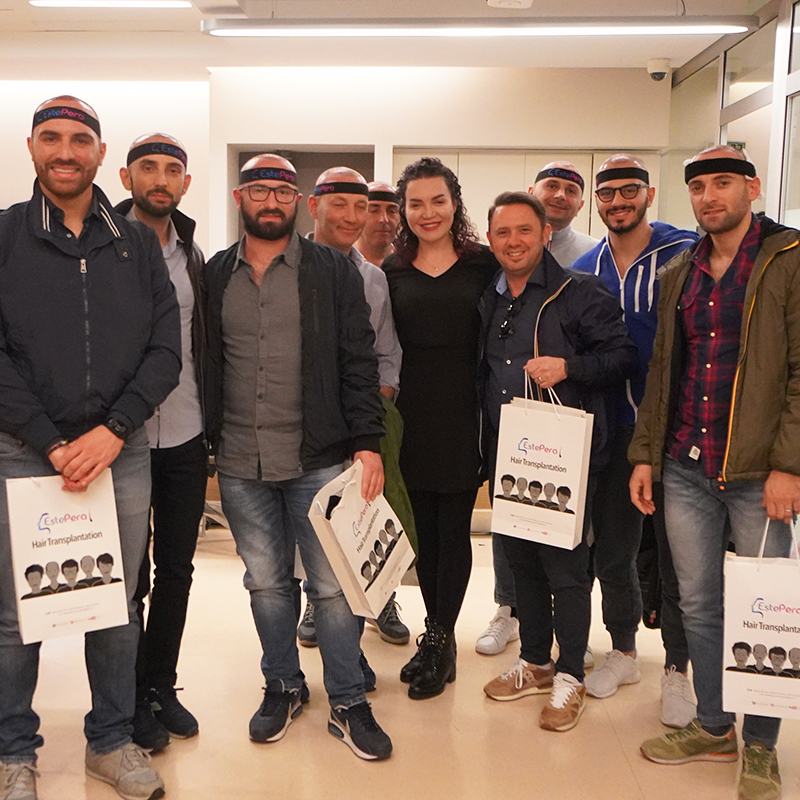
A 2022 review in the Aesthetic Plastic Surgery Journal emphasized that success in female hair transplantation depends heavily on individualized planning—especially donor-site evaluation, density distribution, and alignment with natural growth directions. Clinics like Estepera Hair Clinic in Istanbul specialize in such personalized protocols, offering shave-free or partial-shave techniques that preserve aesthetic comfort while ensuring high graft survival.
Holistic Care and Emotional Recovery
Hair loss after menopause is not merely physical—it carries profound emotional implications. Research in the British Journal of Dermatology (2018) indicates that women with noticeable hair loss show higher anxiety and depression scores. Restoring hair volume, whether through mesotherapy or transplantation, often contributes to psychological well-being and renewed self-confidence.
At specialized centers, multidisciplinary teams address both biological and emotional dimensions, helping patients regain a sense of control over their appearance.
Can Menopausal Hair Thinning Be Reversed?
While complete reversal may not always be possible, scientific evidence shows that hair density can improve significantly with proper scalp care, nutrition, mesotherapy, and—when necessary—surgical restoration. The key lies in early intervention, consistent follow-up, and personalized planning.
Estepera Hair Clinic: Female Hair Transplant in Istanbul
For women struggling with severe postmenopausal hair thinning, hair transplant in Turkey options provide effective, natural, and permanent results. Estepera Hair Clinic, recognized as one of the best hair clinics in Istanbul, offers female-specific hair transplant programs designed to restore fullness while preserving feminine aesthetics. With expert surgeons, advanced DHI and FUE technologies, and personalized care, Estepera helps women regain not just their hair—but their confidence and vitality.
Frequently Asked Questions (Thinning Hair After Menopause)
Q1. Can hair thinning be completely reversed after menopause?
A: Not always fully, especially if follicles are irreversibly damaged. But many women can see significant improvement in density, shaft thickness, and cosmetic appearance with combined therapy.
Q2. Does Hormone Replacement Therapy (HRT) reliably help with hair loss in women?
A: It may support follicle health, but HRT alone is not a guaranteed remedy for hair thinning. Risks and benefits must be weighed on an individual basis.
Q3. Is hair transplantation suitable after menopause?
A: Yes—if hair loss has stabilized and donor area is sufficient. But the surgeon’s experience in female hair design is critical.
Q4. How long until I see results?
A: Topical or medical therapies: often 3–6 months. Mesotherapy : after a few sessions. Transplant: full results in 9–12 months.
Q5. What happens if I stop the therapies?
A: Hair shedding and thinning often resume (especially with Mesotherapy) if the underlying drivers remain untreated.
Sources