 FR
FR ES
ES IT
IT DE
DE RU
RU PT
PT AR
AR RO
RO BG
BG MK
MK IL
IL GR
GR ID
ID SK
SK JP
JP CN
CN PL
PL KR
KR TR
TR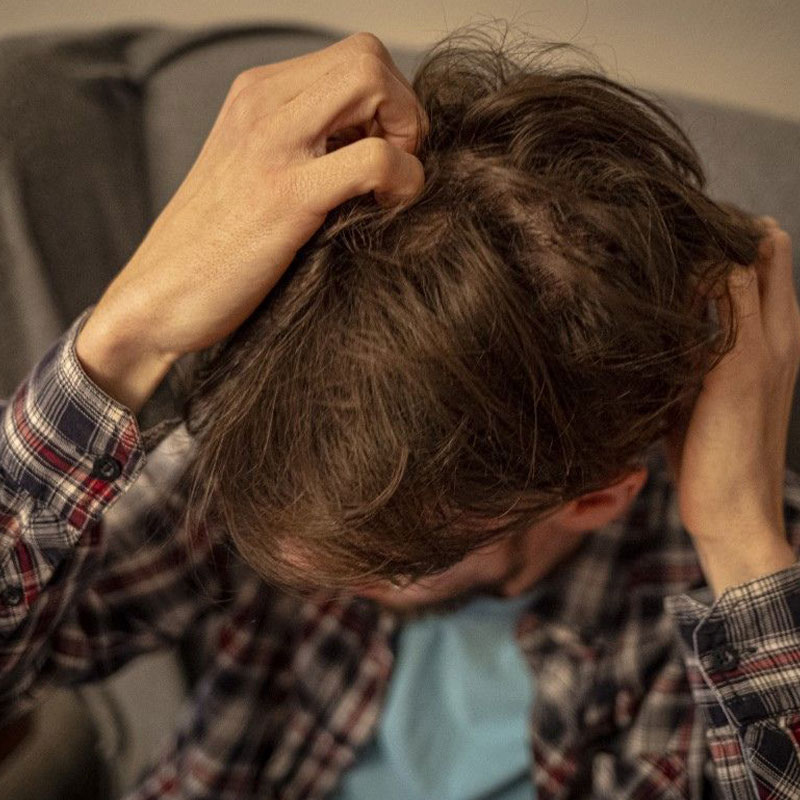
Itchy Scalp Natural Remedies
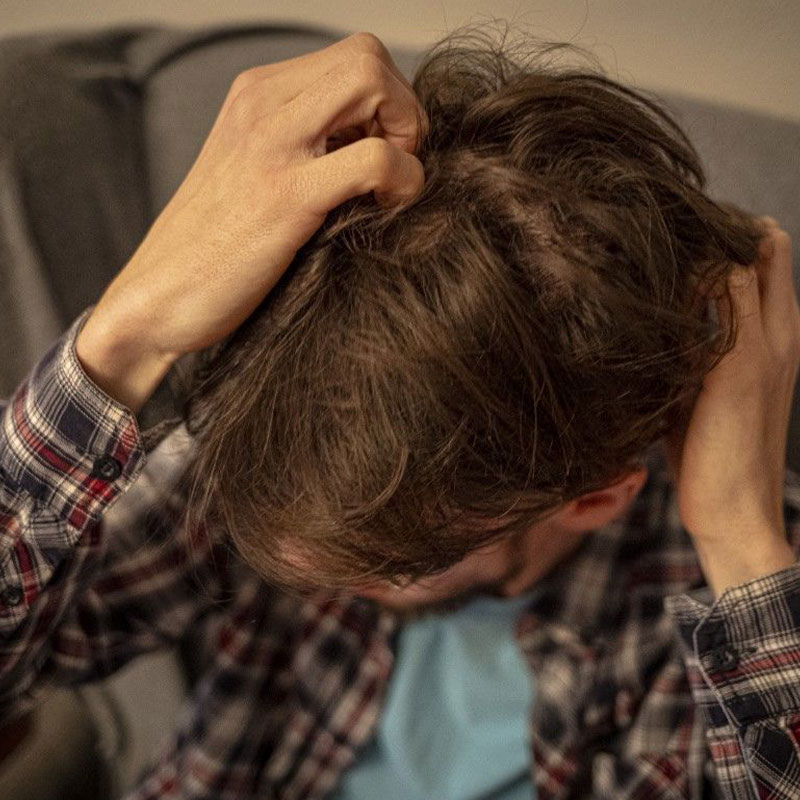
Itchy Scalp : Experiencing scalp itching a day after washing your hair is a common issue many people face. Understanding the root causes behind this problem is key to alleviating discomfort and preventing further irritation. Scalp itching can be caused by several factors, including disrupted natural oil balance, sensitivity to certain ingredients in hair care products, environmental factors like water temperature, or underlying skin conditions.
Common Causes of Post-Wash Scalp Itching
Scalp itching after washing can stem from a variety of reasons, ranging from medical conditions to environmental factors. Here’s a closer look at the most common causes:
Disruption of Natural Oil Balance
One of the most common reasons your scalp might itch after washing is due to the loss of natural oils that protect your scalp. Harsh shampoos or excessive washing can strip these oils, leaving your scalp dry and prone to irritation. This dry, itchy feeling often occurs 24 hours after washing when the scalp has had time to adjust to the loss of oils.
Irritating Ingredients in Hair Care Products
Certain chemicals in hair care products, like sulfates, parabens, and synthetic fragrances, can cause scalp irritation and dryness. These ingredients can strip away essential oils from the scalp, leading to an itchy and uncomfortable sensation. For people with sensitive skin, even the most common ingredients can trigger allergic reactions, making the scalp more prone to itching after a wash.
Hot Water
Washing your hair with hot water can damage the scalp’s protective barrier by removing essential oils. This can leave your scalp feeling dry and irritated. It’s essential to wash your hair with lukewarm water to help preserve the scalp’s natural moisture and reduce the risk of itching.
Skin Conditions
Skin conditions such as dandruff, psoriasis, and seborrheic dermatitis are also common causes of post-wash scalp itching. These conditions often cause flaky, irritated skin on the scalp, which can worsen after washing. Psoriasis, for example, is an autoimmune disorder that causes skin cells to build up rapidly, leading to thick, scaly patches that can itch severely.
Itchy Scalp Causes
Identifying the specific cause of your scalp itching is essential for finding an effective solution. Here are some key questions to help you determine the underlying issue:
When does the itching start?
If it starts immediately after washing, it may be due to a reaction to your hair care products or water temperature.
If the itching begins a day after washing, it’s often linked to sebum buildup or the activity of Malassezia, a yeast found naturally on the scalp.
Are there additional symptoms?
Flaking or visible dandruff often indicates seborrheic dermatitis or dandruff.
Redness, bumps, or a rash might suggest contact dermatitis or folliculitis.
Have there been any recent changes?
A new shampoo, conditioner, or a change in your water source could be contributing factors to your itchy scalp.
If you’re unsure about the cause of your scalp itching, a dermatologist or trichologist can perform tests such as scalp biopsies or dermoscopy to identify the root cause.
Quick Fixes for Scalp Itching
There are several quick fixes that can help relieve scalp itching while you address the underlying cause:
Switch to Gentle Hair Care Products
Choosing hair care products designed for sensitive skin is a great first step in alleviating itching. Look for shampoos and conditioners that are free from sulfates, parabens, and alcohol. Products containing natural ingredients such as aloe vera or oat extract can soothe an irritated scalp.
Proper Washing Technique
Make sure you rinse your hair thoroughly to ensure that no product residue remains on your scalp. Avoid washing with hot water, as it can dry out your scalp and worsen itching. Instead, opt for lukewarm water to preserve the scalp’s natural oils.
Adjust Washing Frequency
Over-washing your hair can strip it of its natural oils, leading to increased dryness and irritation. On the other hand, under-washing allows for the buildup of oils, dead skin cells, and product residue, which can exacerbate itching. Finding a balance in your washing routine is key to maintaining scalp health.
Home Remedies for Itchy Scalp
Several natural remedies can provide temporary relief from scalp itching. Here are some effective options:
| Natural Remedy | Application Method | Best For |
|---|---|---|
| Tea Tree Oil | Add a few drops to shampoo or dilute with carrier oil | Dandruff and fungal infections |
| Apple Cider Vinegar | Apply a 1:1 solution of water and vinegar, rinse after a few minutes | Dandruff and product buildup |
| Olive Oil | Massage gently into scalp, leave for several hours | Dry, flaky scalp and scalp psoriasis |
| Colloidal Oatmeal | Wash hair with water in which oats have been soaked | General itching and sensitive scalps |
| Peppermint Oil | Add a couple of drops to your shampoo | Skin allergies and pregnancy-related itching |
| Lemongrass Oil | Apply 10% lemongrass oil hair tonic twice daily | Moderate to severe dandruff |
Medical and Professional Treatments
If home remedies aren’t enough to resolve the itching, you may need to seek medical treatment. Dermatologists and trichologists can prescribe specific treatments based on the underlying cause of your scalp issue.
For Dandruff and Seborrheic Dermatitis
Anti-dandruff shampoos containing ingredients such as zinc pyrithione, selenium sulfide, or ketoconazole are effective at targeting the Malassezia yeast, which is often responsible for dandruff and seborrheic dermatitis.
For Psoriasis
Medicated shampoos containing salicylic acid can help remove scales from the scalp, while corticosteroid creams or ointments can reduce inflammation and itching.
For Contact Dermatitis
If contact dermatitis is the cause of your itchy scalp, identifying and eliminating the allergen is crucial. Patch testing may be required to pinpoint the irritant. Antihistamines and topical corticosteroids can help manage symptoms.
When to Seek Professional Help
If your scalp itching persists despite trying home remedies, or if it’s accompanied by hair loss, it’s time to consult a dermatologist. A professional can provide a proper diagnosis and recommend advanced treatments such as scalp biopsies or dermoscopy to better understand the root cause of the issue.
Hair Transplant in Turkey at Estepera Hair Clinic
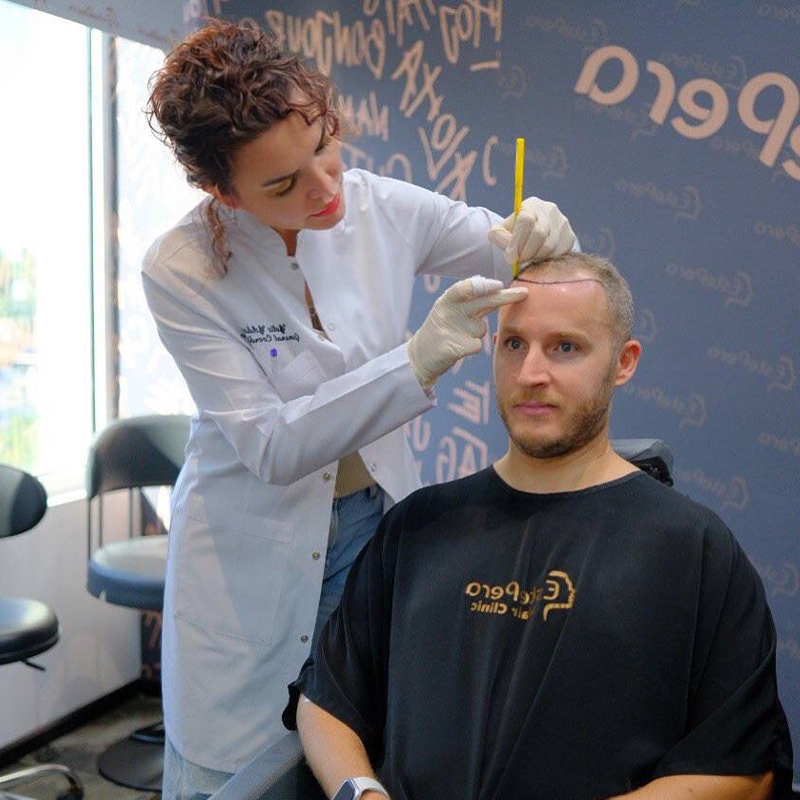
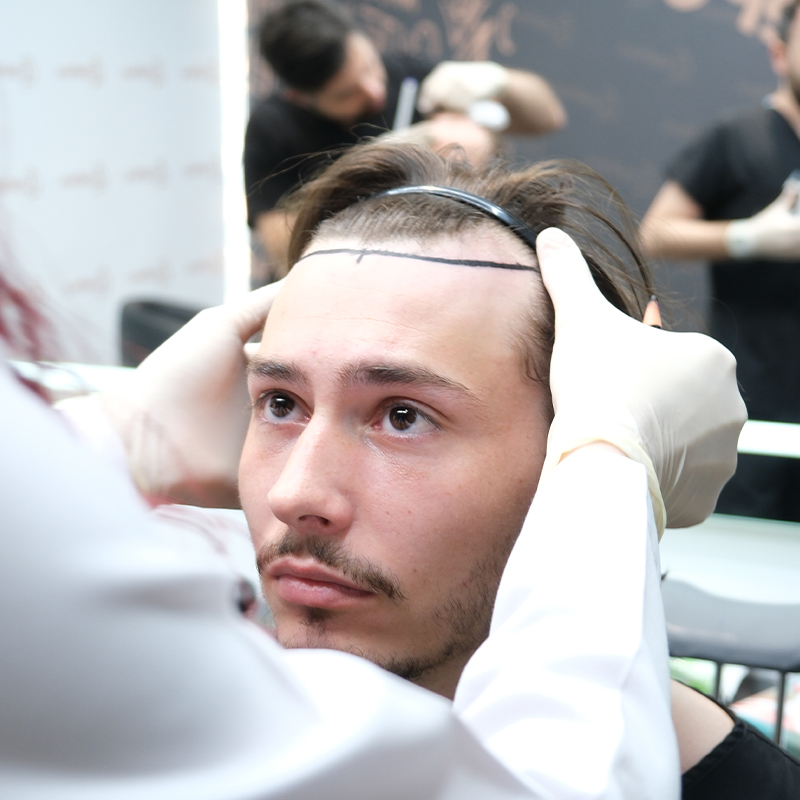
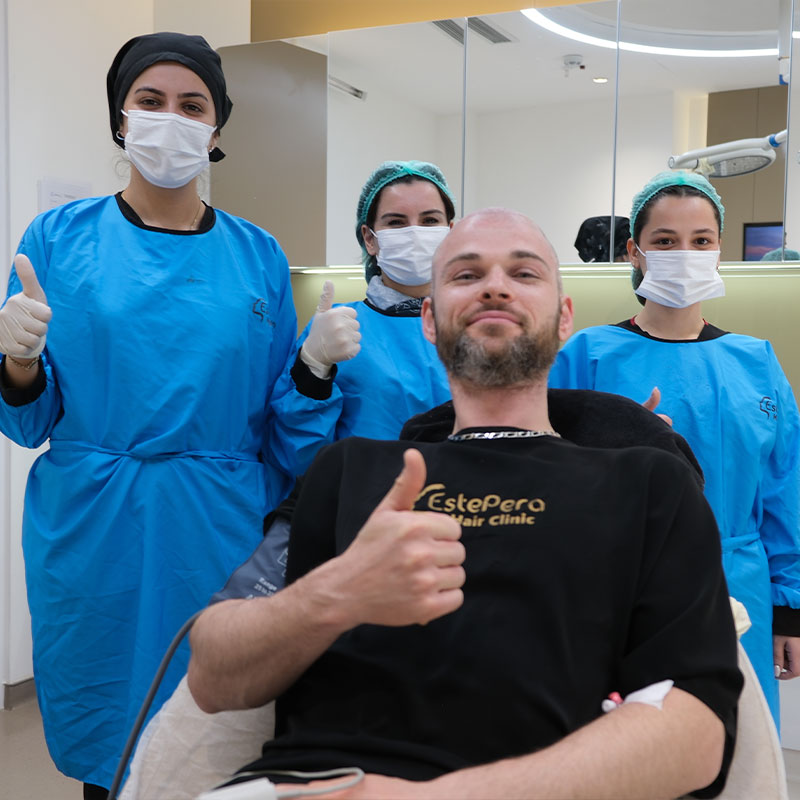
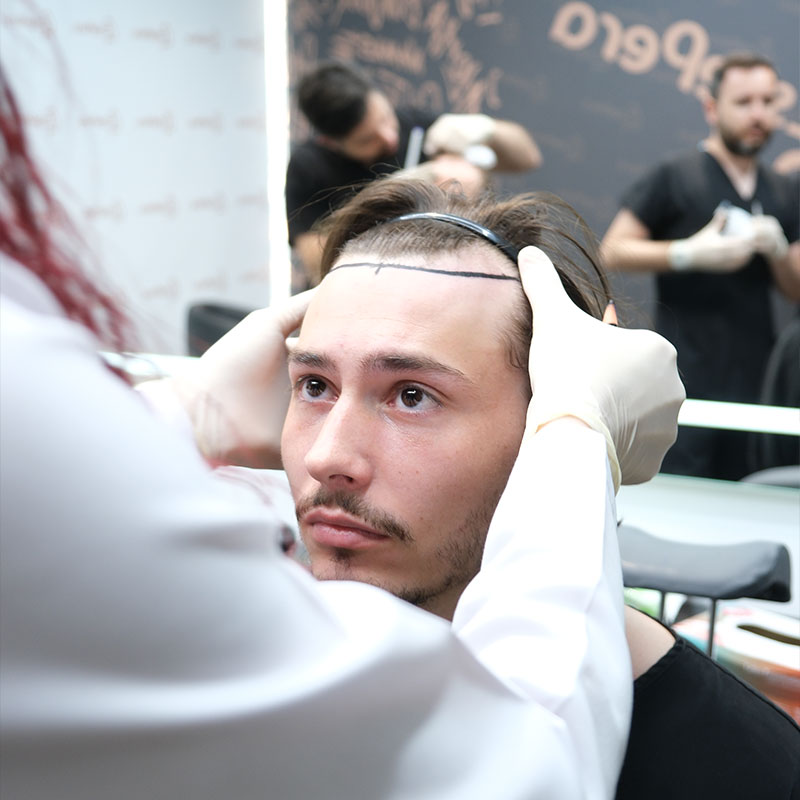
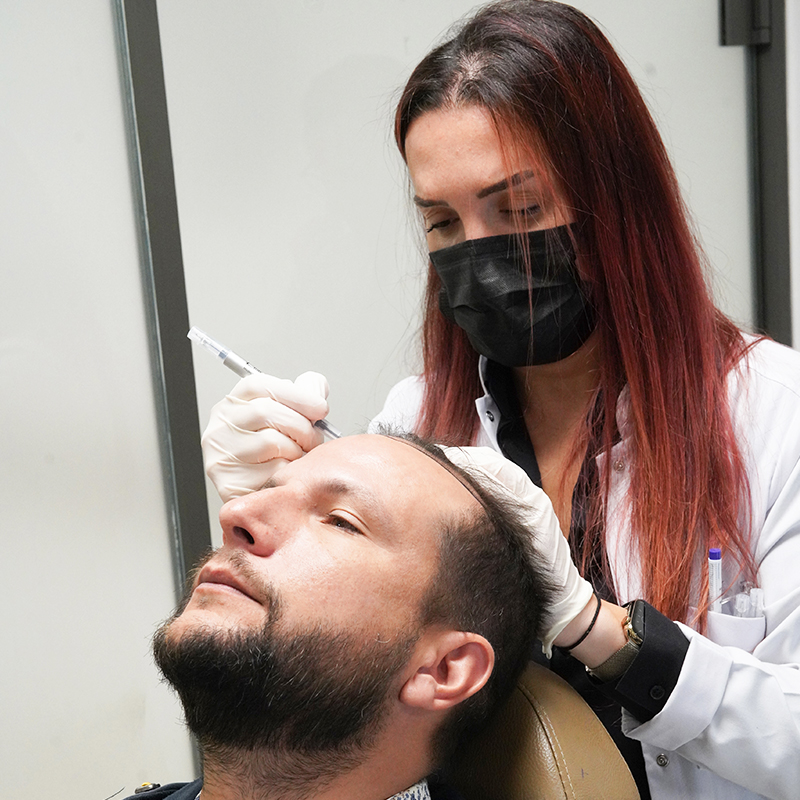
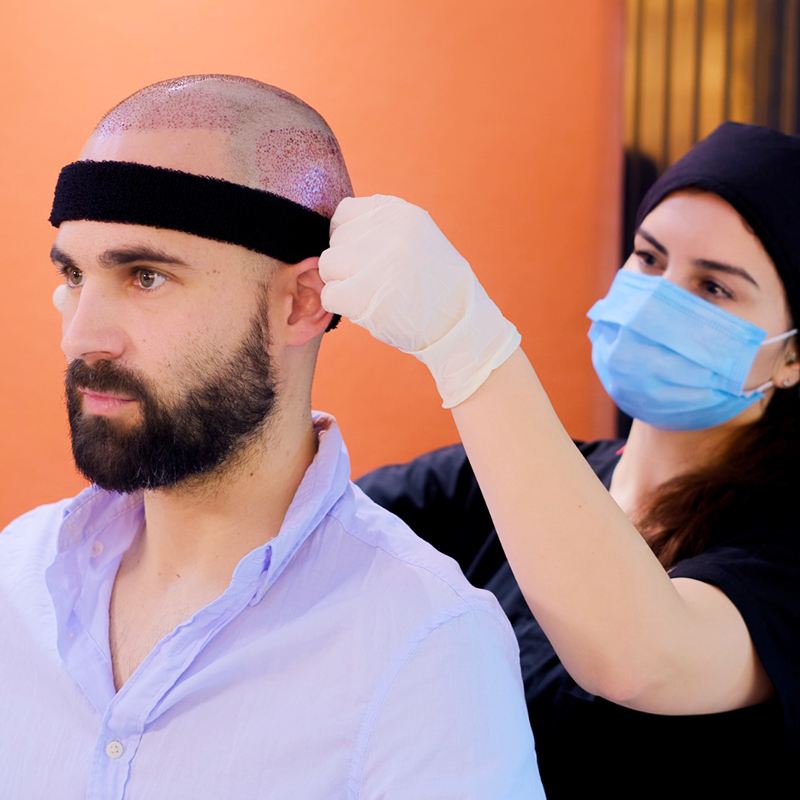
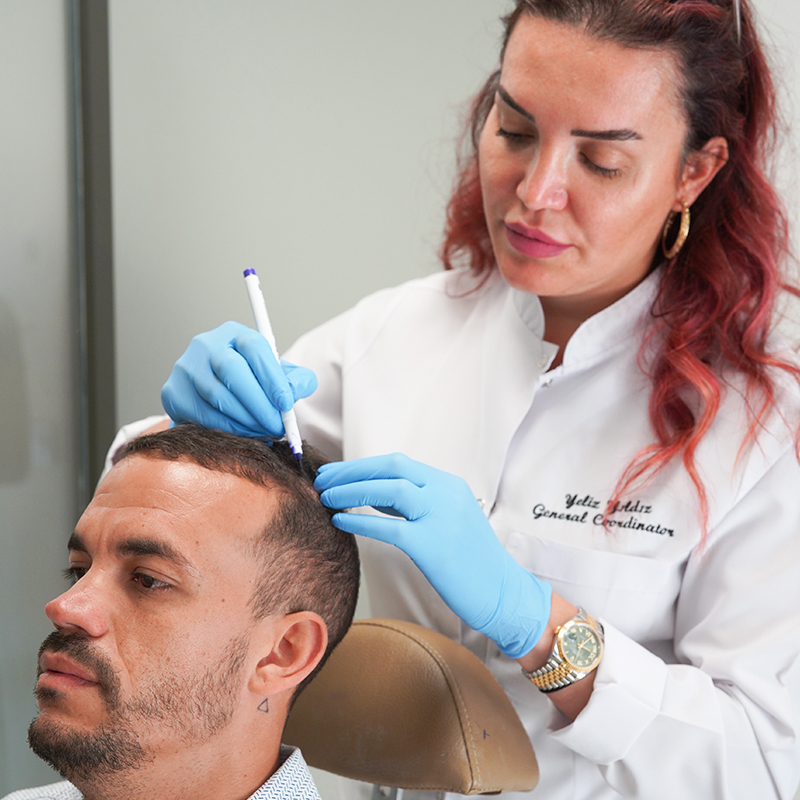
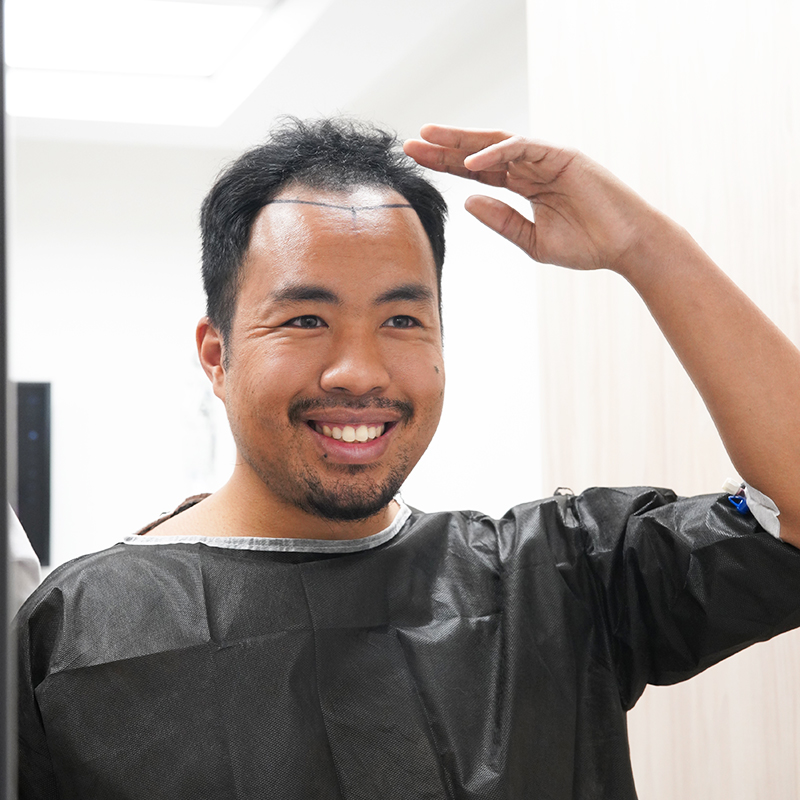
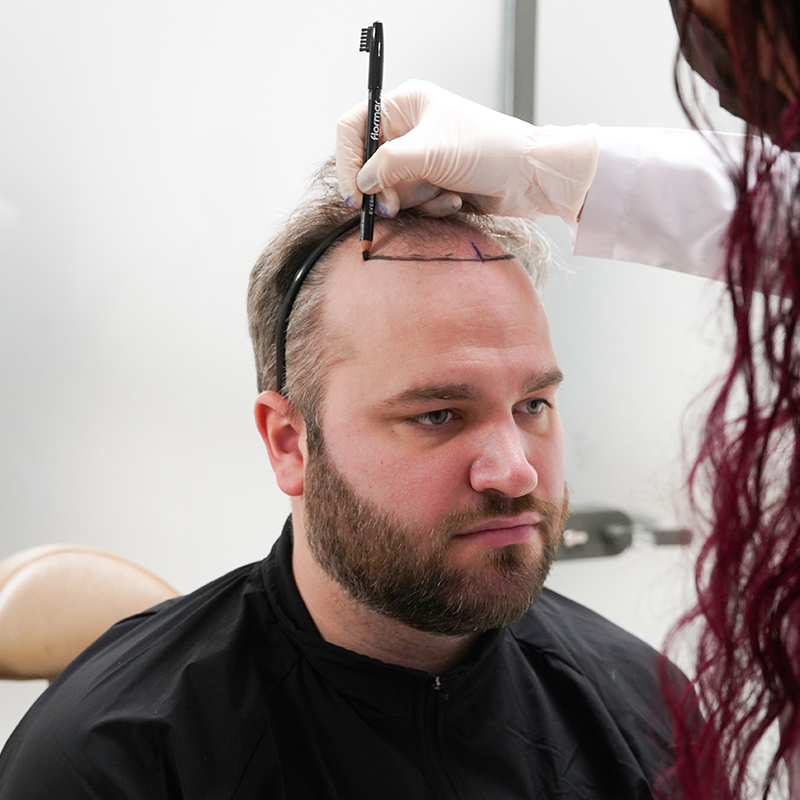
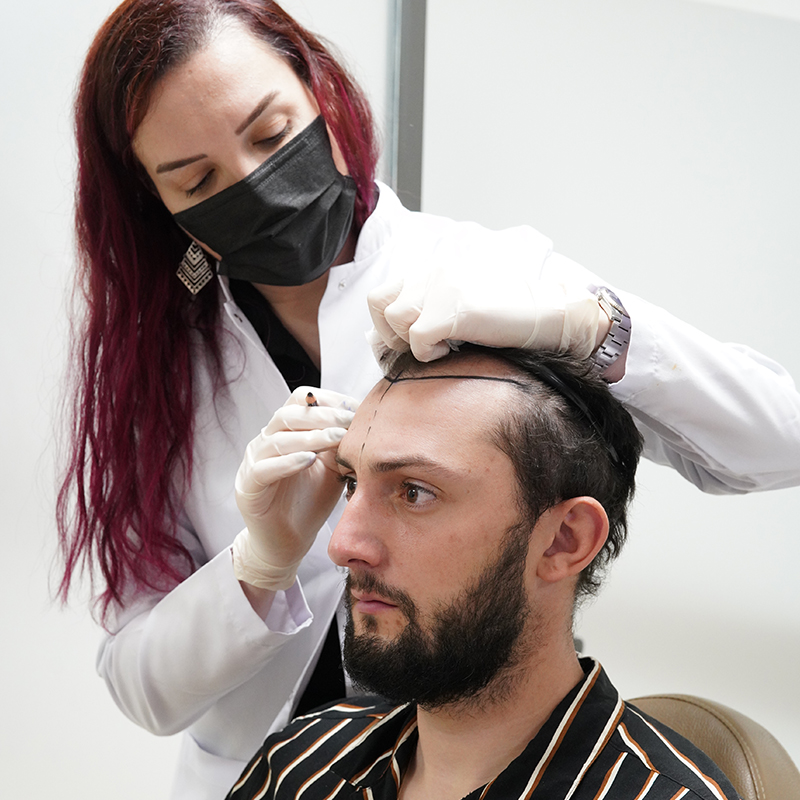
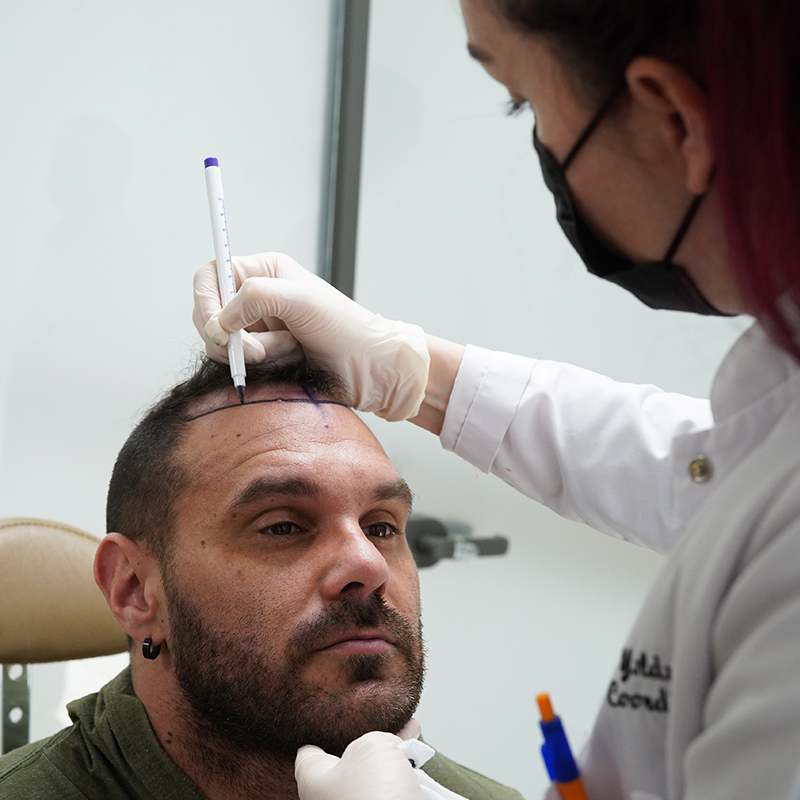
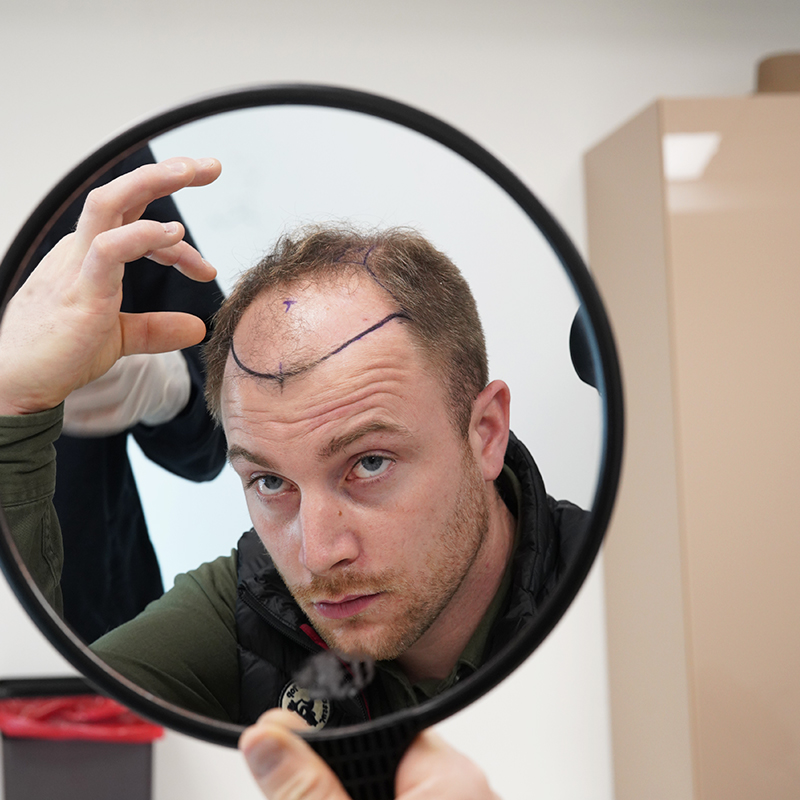
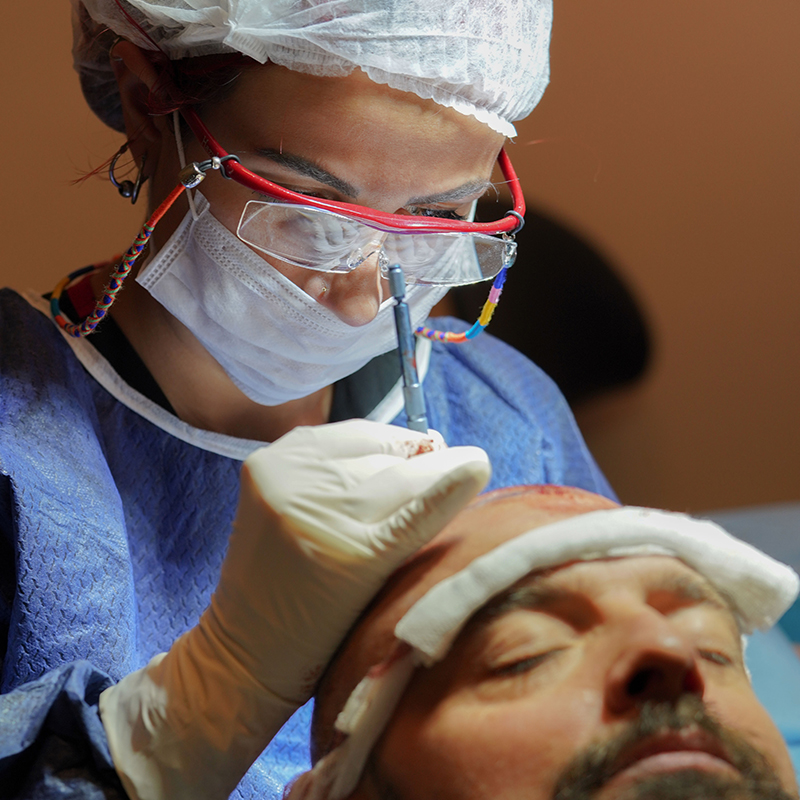
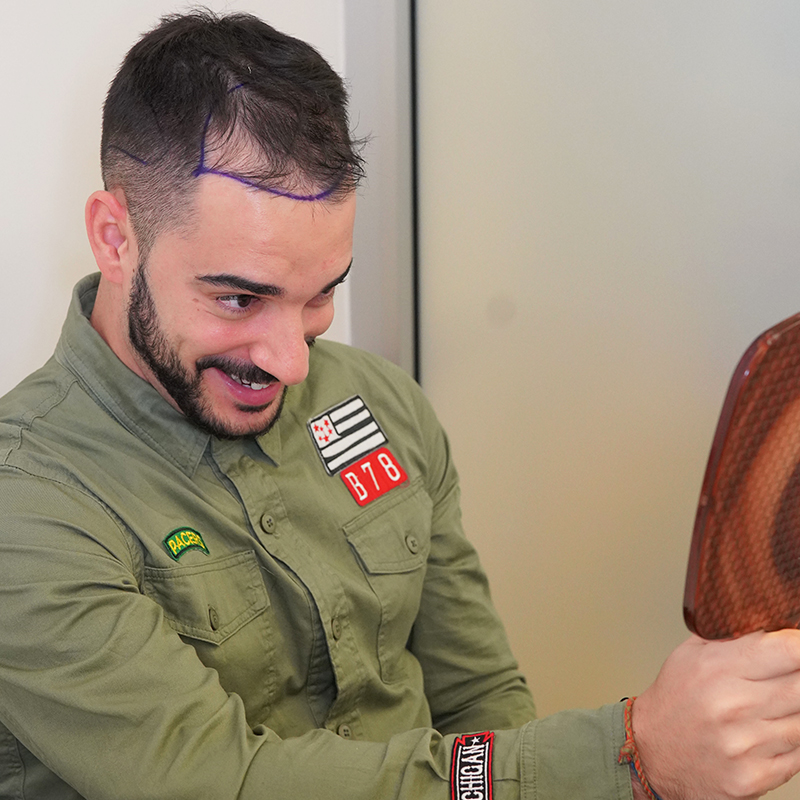
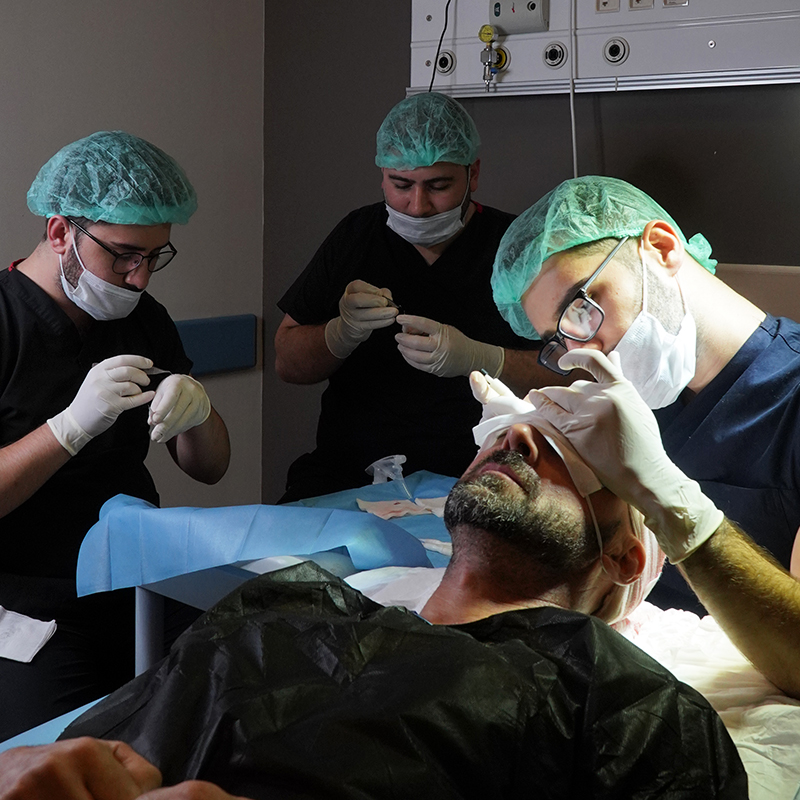
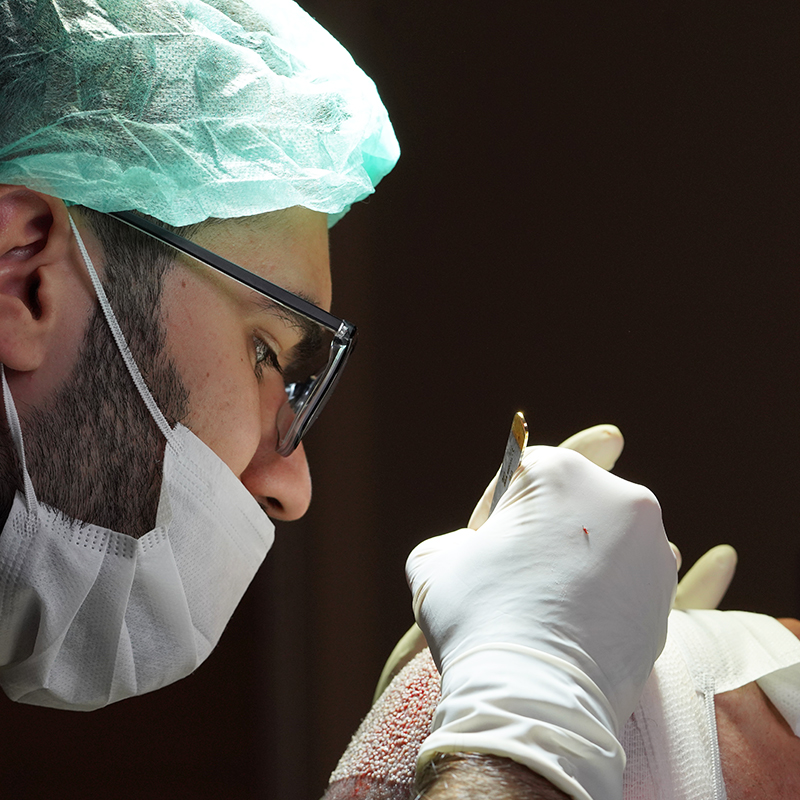
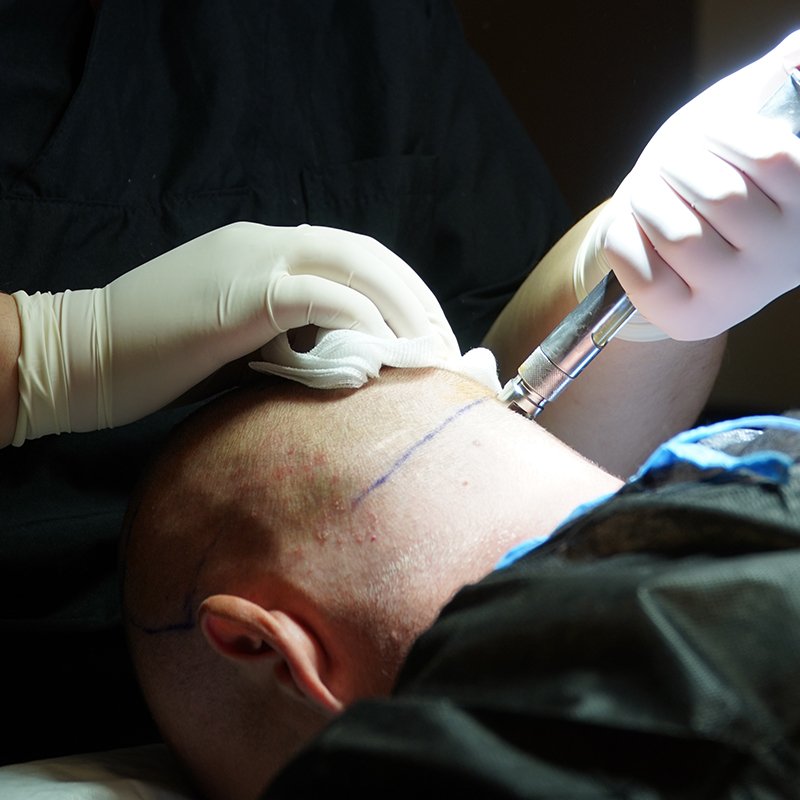
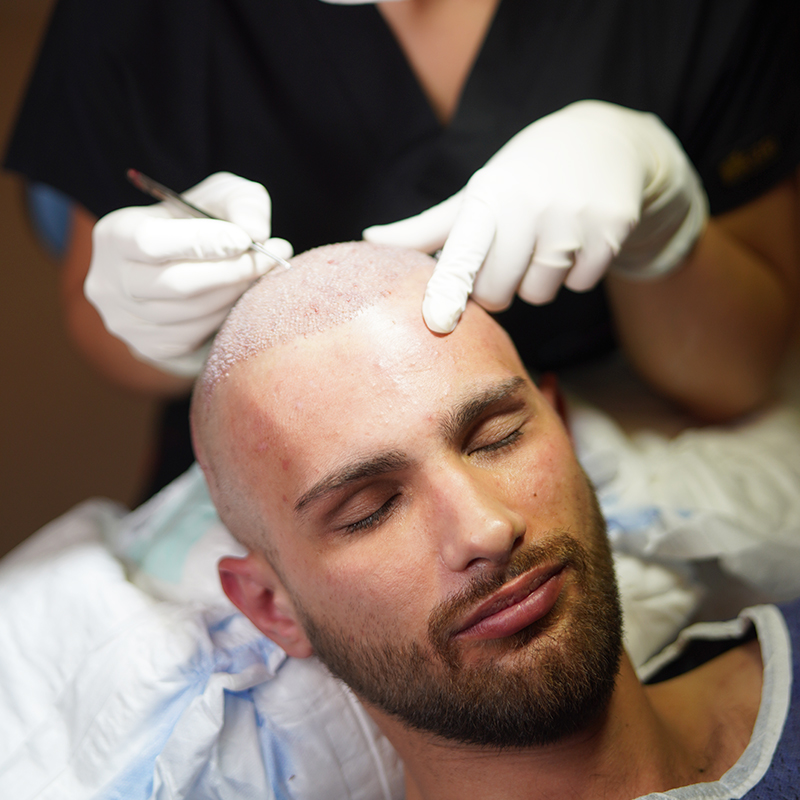
If scalp itching is related to hair thinning or hair loss, consider a hair transplant in Turkey at Estepera Hair Clinic. Our clinic in Istanbul offers advanced hair restoration treatments that target both the aesthetic and health aspects of your scalp. Our team of experts uses the latest techniques to provide natural-looking results, helping you regain not only your hair but also your confidence. Discover the benefits of hair transplant procedures ( DHI, FUE, Sapphire FUE ) and how Estepera ensures a smooth, all-inclusive experience for international patients.
Why does my scalp itch after washing my hair?
Scalp itching after washing can occur due to various reasons, such as the disruption of natural oils, harsh shampoos, allergic reactions to hair products, or underlying skin conditions like dandruff or psoriasis.
Can dandruff cause an itchy scalp?
Yes, dandruff is one of the most common causes of an itchy scalp. It occurs due to an overgrowth of yeast, which leads to flaking and irritation on the scalp.
Is it normal for my scalp to itch after using a new shampoo?
It can be normal, especially if the new shampoo contains harsh chemicals or fragrances that irritate your scalp. If the itching persists, it may be a sign of an allergic reaction or sensitivity to an ingredient.
Does using hot water to wash my hair cause scalp itching?
Yes, hot water can strip your scalp of its natural oils, causing dryness and irritation. This can lead to itching. It’s best to use lukewarm water to wash your hair to avoid this issue.
Can stress cause an itchy scalp?
Stress can exacerbate scalp itching by triggering conditions like seborrheic dermatitis or psoriasis, which are made worse by stress. Managing stress can help reduce scalp irritation.
How can I stop my scalp from itching naturally?
You can try natural remedies like tea tree oil, aloe vera, or apple cider vinegar. These ingredients have soothing and anti-inflammatory properties that help calm the itching and reduce irritation.
Is an itchy scalp a sign of a fungal infection?
Yes, fungal infections like tinea capitis (ringworm) can cause scalp itching. These infections create circular, scaly patches that may itch. Antifungal shampoos and treatments are recommended for fungal-related itching.
How can I prevent my scalp from itching after washing my hair?
To prevent itching, use gentle shampoos with natural ingredients, avoid hot water, and make sure to thoroughly rinse your hair. Reducing the frequency of washing can also help maintain the scalp’s natural oils.
Can using the wrong hair products cause an itchy scalp?
Yes, using products with harsh chemicals, such as sulfates or parabens, can irritate the scalp and cause itching. It’s important to use products suitable for your scalp type and free of irritating ingredients.
When should I see a doctor for an itchy scalp?
If your scalp itching persists despite using home remedies, or if it’s accompanied by hair loss, redness, swelling, or pain, it’s a good idea to consult a dermatologist to identify the underlying cause and get appropriate treatment.