




















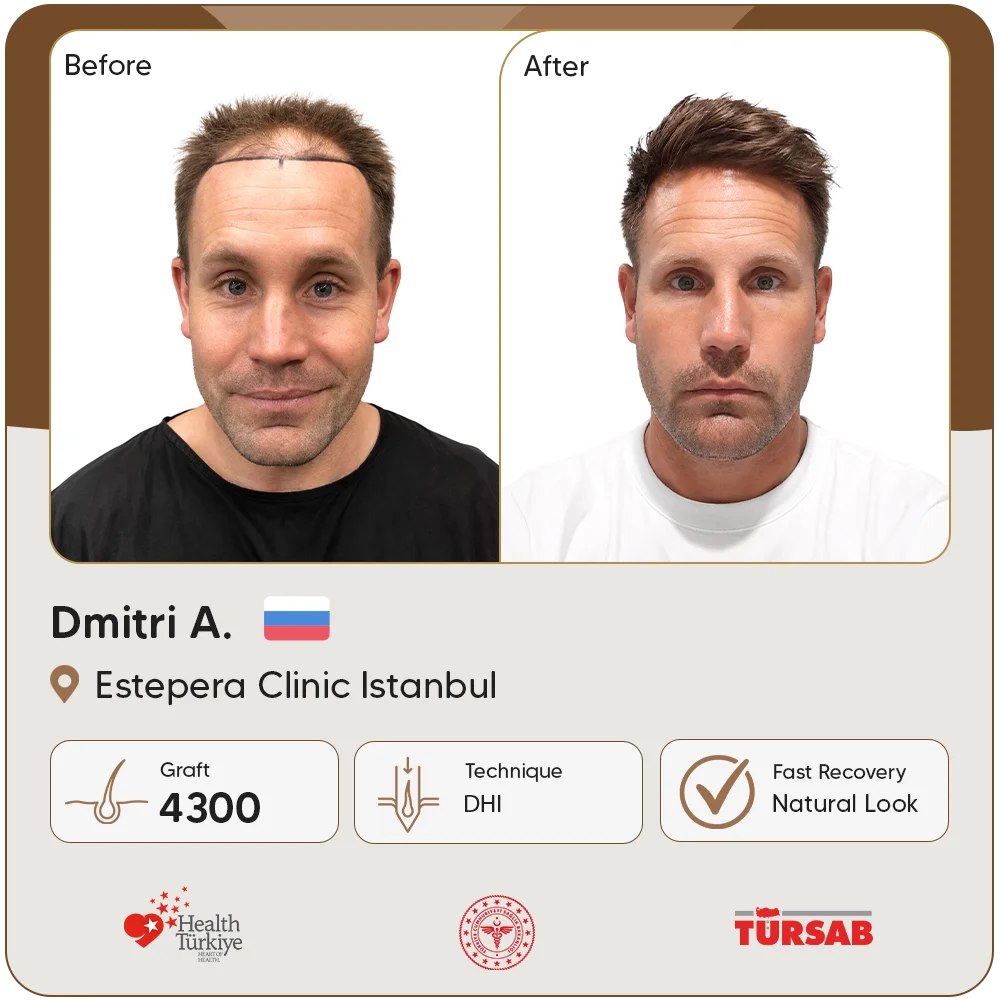
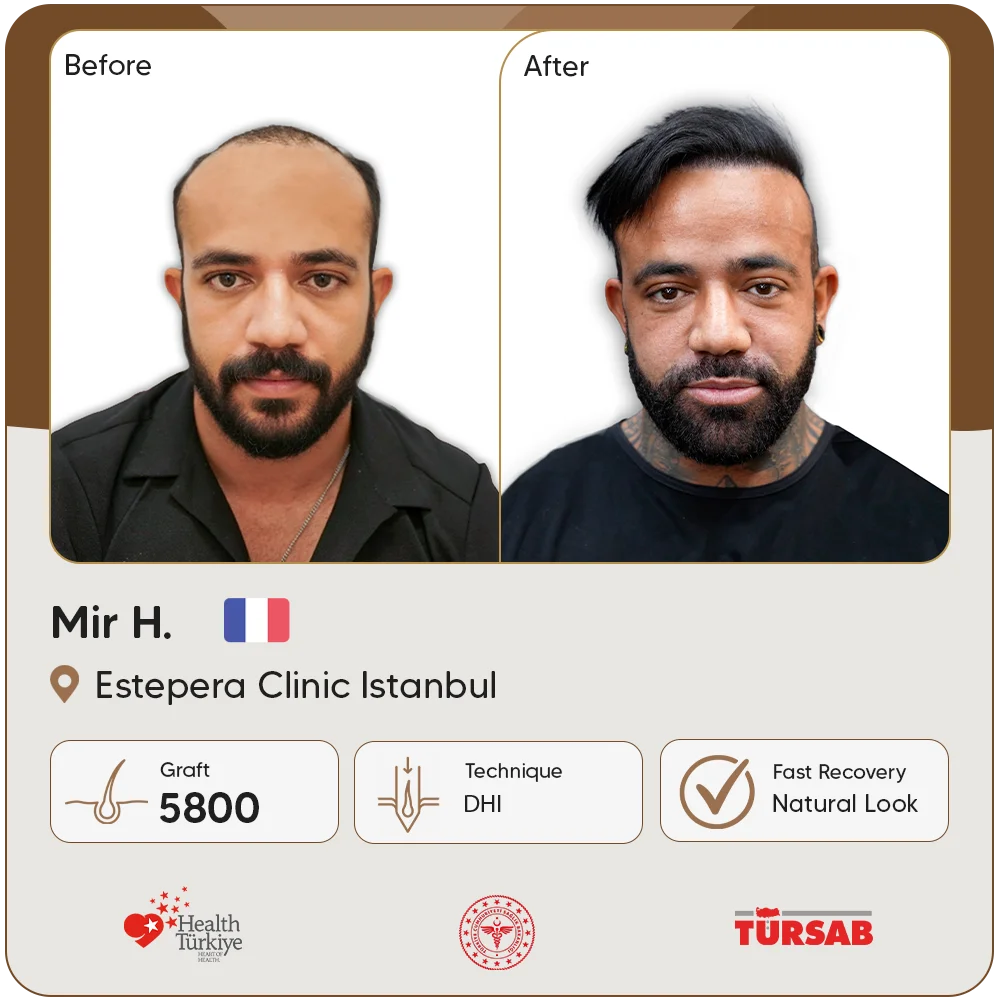
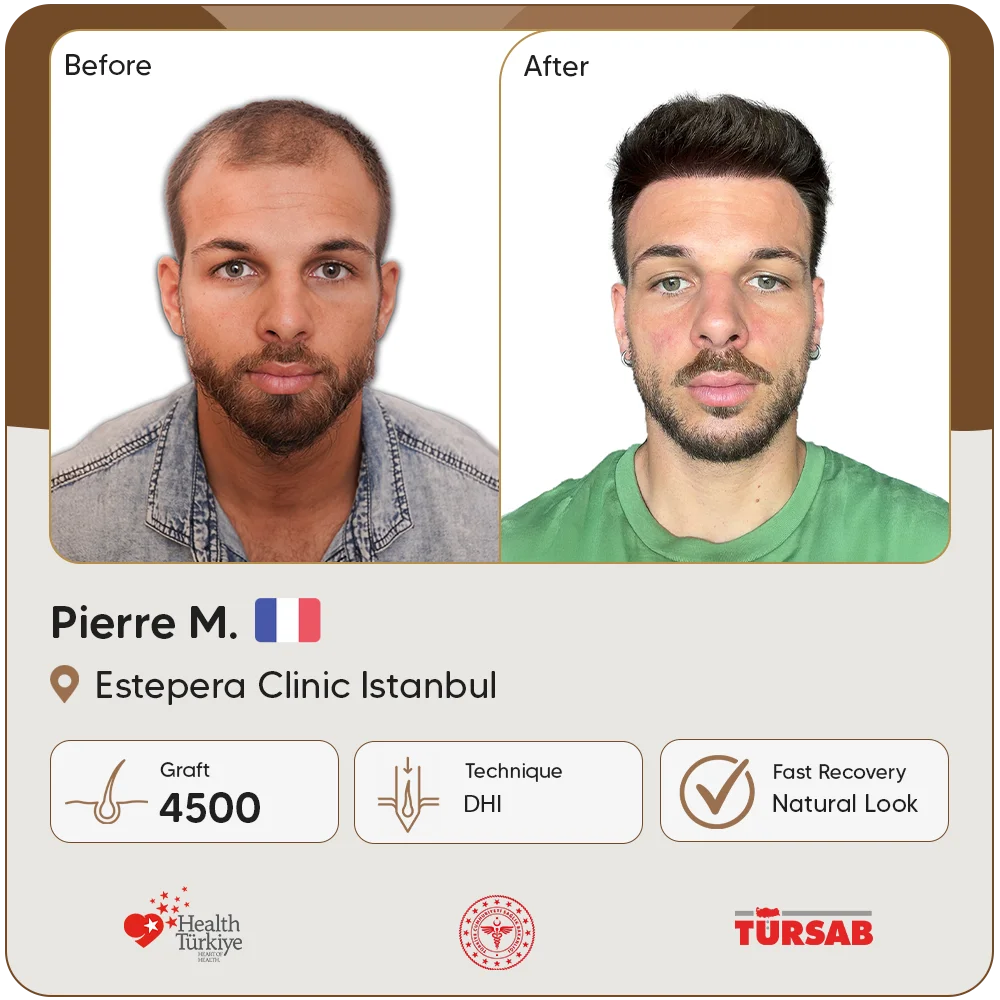
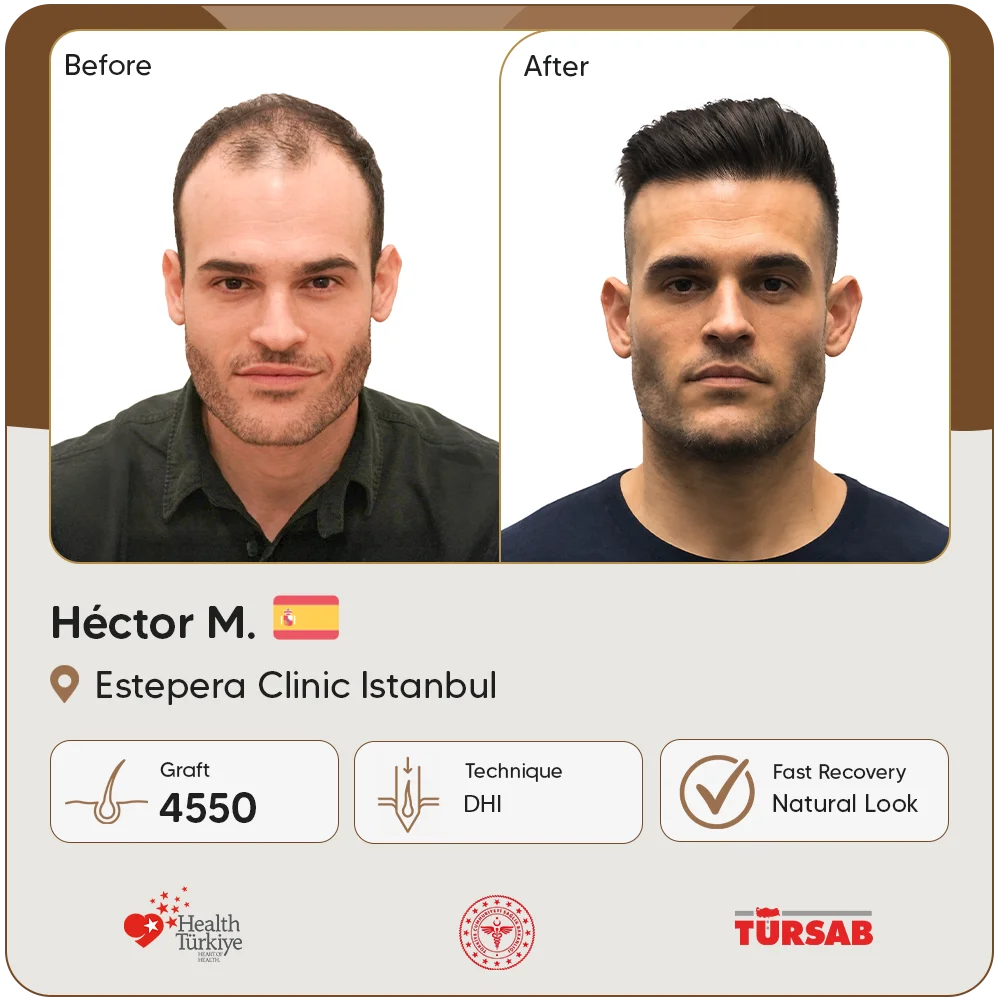




















What Does a Hair Transplant in Turkey Involve?
A hair transplant in Turkey involves moving naturally resistant follicles from the donor area into parts of the scalp affected by thinning or baldness. Most donor grafts come from the back and sides of the head, where follicles often tolerate androgen-related hair loss better.
The procedure works by redistributing existing hair rather than creating an unlimited new supply. That makes donor management one of the most important parts of the entire process.
A good plan considers more than the current bald area. Hair thickness, density, future loss, scalp size, and the number of usable follicles all influence what can realistically be achieved.
Why Has Turkey Become a Major Hair Transplant Destination?
Turkey has become a major destination for hair restoration because a large medical tourism ecosystem has developed around FUE, DHI, accommodation, transfers, and international patient services. This structure makes the complete treatment journey easier to organize from abroad.
High procedure volumes have also created broad experience with different hair textures, hair loss patterns, and graft requirements. That experience can be valuable when planning complex cases.
Still, choosing Turkey alone does not guarantee a good outcome. Hairline design, donor preservation, graft handling, implantation direction, and realistic planning remain far more important than destination branding.
Who Is Suitable for Hair Transplantation?
Hair transplantation is most suitable for people who have a stable donor area and permanent hair loss that can be improved by redistributing existing follicles. Pattern hair loss remains one of the most common reasons for considering surgery.
Suitability becomes more complex when the bald area is very large but the donor reserve is limited. In that situation, trying to cover everything evenly can create a weak result everywhere.
Temporary shedding also requires a different approach. Telogen effluvium, active scalp inflammation, and some scarring disorders should not automatically be treated with transplantation before the underlying problem is understood.
How Is a Hair Transplant Performed in Turkey?
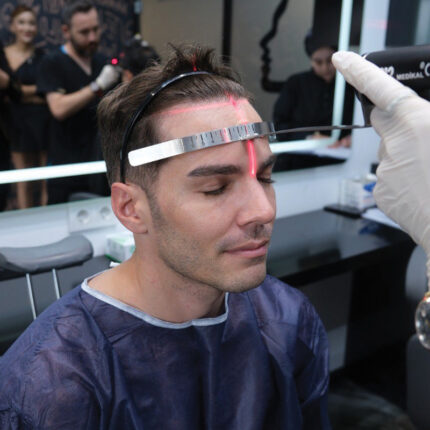
A hair transplant usually begins with donor analysis and hairline planning, followed by local anesthesia, graft extraction, preparation, and implantation into the recipient area. Each stage affects both survival and appearance.
The usual sequence includes:
- Examination of the donor area
- Measurement of the recipient area
- Hairline planning
- Local anesthesia
- Individual graft extraction
- Sorting and preservation
- Recipient site preparation
- Implantation according to natural direction
The procedure may look straightforward from the outside, but thousands of small decisions determine whether the finished result appears dense, balanced, and believable.
Why Does the Donor Area Matter So Much?
The donor area matters because every transplanted follicle comes from a limited reserve that cannot be endlessly replaced. Removing too many grafts can leave the back and sides looking permanently sparse.
A dense donor zone provides more freedom when treating the front, mid-scalp, and crown. Thin donor hair creates tighter limits and often requires a more selective restoration plan.
Future hair loss should also influence extraction. A person who uses most available grafts during the first procedure may have fewer options if native hair continues thinning several years later.
That makes donor preservation a long-term strategy rather than a single-session concern.
How Many Grafts Might Be Needed?
The number of grafts needed depends on the surface being treated, desired coverage, donor density, hair diameter, curl pattern, and how much native hair remains. There is no useful universal graft number for every patient.
A smaller frontal restoration may require a relatively limited amount, while combined front, mid-scalp, and crown loss can demand several thousand grafts.
Several variables matter when estimating the number:
- Size of the recipient area
- Hair shaft thickness
- Existing native density
- Number of hairs inside each graft
- Hair curl or wave
- Donor availability
- Long-term loss pattern
A higher graft count is not automatically a better plan.
How Does FUE Hair Transplantation Work?
FUE removes follicular units individually from the donor area using small circular punches. After extraction, the grafts are inspected, grouped, preserved, and later implanted into the planned recipient regions.
Unlike strip surgery, FUE does not create one long linear scar. It leaves many small extraction sites spread across the donor zone instead.
The technique gives flexibility in how grafts are distributed, but careful extraction remains essential. Removing too many follicles from one section can create patchy donor thinning even when each individual extraction point heals well.
FUE therefore depends as much on donor design as on extraction technology.
How Does DHI Hair Transplantation Work?
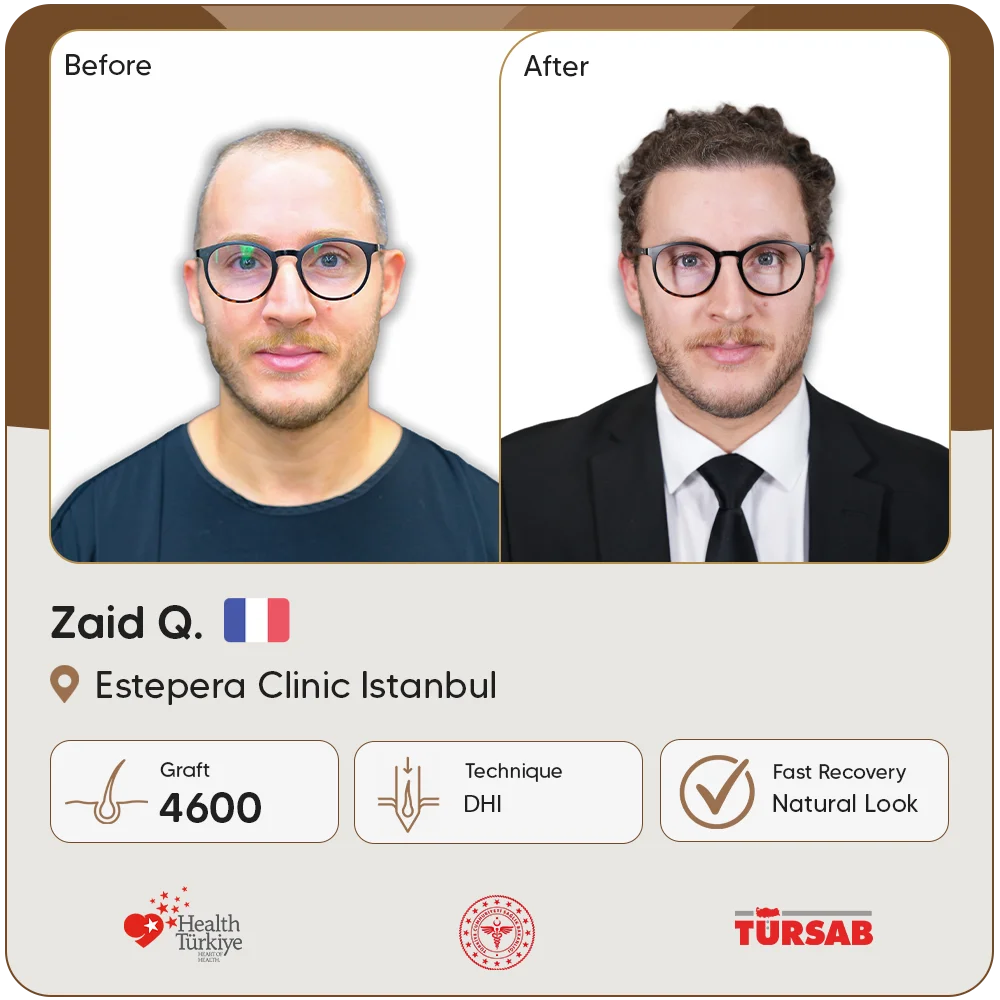
DHI uses specialized implanter devices to place harvested follicular units into the scalp while controlling depth, angle, and direction during placement. The grafts themselves are generally collected using individual extraction methods similar to FUE.
This approach can be useful when working among existing hairs because implantation can be performed with close control over surrounding follicles.
DHI does not change the biological quality of the graft or make weak donor hair stronger. Its main difference lies in how the implantation stage is organized.
The finished result still depends on graft survival, distribution, hairline design, and donor quality.
FUE or DHI: What Is the Practical Difference?
The practical difference is that FUE mainly describes how grafts are extracted, while DHI refers more specifically to how those grafts are implanted. They should not always be treated as completely separate procedures.
A patient can have FUE extraction followed by channel-based implantation. Another procedure can use the same extraction principle before placing grafts with implanter pens.
The technique name matters less than whether it suits the recipient area and existing hair.
For large bald areas, one approach may improve workflow. When implanting between native hairs, another may offer greater control. Neither method universally produces superior growth.
How Should a Natural Hairline Be Planned?
A natural hairline should match facial proportions, forehead height, age, existing hair direction, and the amount of donor hair available for the future. Lowering the line aggressively can use hundreds of additional grafts.
Natural hairlines also contain small irregularities. A perfectly straight and densely packed border often looks less believable than a softer transition.
Single-hair grafts work particularly well along the front edge because they imitate natural finer hairs. Behind that zone, two-hair and three-hair grafts can create stronger density.
The goal is not perfect symmetry. It is a hairline that belongs naturally to the face.
What Should Be Evaluated Before Surgery?
Before surgery, the cause of hair loss, donor quality, scalp condition, expected future thinning, and realistic recipient coverage should all be evaluated. These factors shape the entire procedure more than the advertised technique.
A useful assessment should consider:
- Pattern and stability of hair loss
- Donor density
- Hair thickness
- Scalp health
- Previous hair procedures
- Current medications
- Relevant medical history
- Future thinning risk
- Realistic density expectations
The strongest plan often includes restraint. Trying to solve every area in one session can weaken the donor supply and leave fewer options for later years.
Does a Hair Transplant Hurt?
A hair transplant usually causes limited pain because local anesthesia numbs both the donor and recipient areas before extraction and implantation begin. The anesthetic injections themselves can briefly sting or burn.
Once the scalp becomes numb, most people feel pressure or movement rather than sharp pain. Long procedures can still become uncomfortable because remaining in similar positions for hours may strain the neck or back.
After surgery, tenderness and a tight or burning sensation can appear in the donor area. These symptoms usually ease over the following days rather than becoming progressively stronger.
How Long Does the Procedure Usually Take?
A hair transplant normally takes several hours because each follicular unit must be extracted, handled, preserved, and implanted individually. Larger graft sessions naturally take longer than smaller hairline corrections.
The schedule also includes planning, anesthesia, graft classification, recipient preparation, breaks, and postoperative care. That makes the total procedure longer than the implantation stage alone.
Finishing quickly should never become the main objective. Thousands of follicles require consistent handling from the first extraction to the last placement.
A controlled pace helps protect graft quality and keeps implantation angles more consistent throughout the session.
What Is Recovery Like During the First Week?
The first week usually includes redness, small crusts around the grafts, donor sensitivity, mild swelling, and some scalp tightness. These changes gradually settle as the small wounds begin closing.
Fresh grafts need protection from direct rubbing, scratching, and strong water pressure. Early washing therefore involves gentle contact rather than normal vigorous shampooing.
The scalp often looks noticeably different by the end of the first week, although some redness may remain longer.
Recovery does not require complete inactivity, but intense exercise, excessive sweating, direct trauma, and unnecessary scalp manipulation are best avoided during the earliest healing phase.
Why Do Transplanted Hairs Fall Out After Surgery?
Transplanted hair shafts often fall out during the weeks after surgery because the follicles temporarily enter a resting phase after transplantation. This process is commonly known as shock shedding.
The visible hair can disappear while the follicle remains alive beneath the scalp. For that reason, early shedding does not automatically mean the graft has failed.
Some weak native hairs near the transplant area may shed as well, particularly if they were already miniaturized before surgery.
The scalp can therefore look thinner before new growth begins. This temporary stage is one reason early photographs should not be used to judge the final result.
When Does New Hair Growth Become Visible?
New transplanted hair commonly begins appearing after the first few months, although early growth can look thin, uneven, and scattered. Not every follicle starts producing a visible hair at the same time.
Around the third or fourth month, many patients begin noticing clearer signs of new growth. The changes usually become easier to see during the months that follow.
Early strands often lack their eventual thickness and texture. As they mature, they gain diameter and contribute more strongly to coverage.
The important point is that hair transplant growth develops gradually rather than following one exact date for every follicle.
How Long Does a Hair Transplant Take to Mature?
A hair transplant generally needs around a year before the overall result can be judged with much greater confidence. Some regions, particularly the crown, may continue maturing beyond that point.
The middle months often bring the most visible change because more follicles become active while existing new hairs begin thickening. Density therefore improves through both additional growth and maturation.
The front can appear established sooner than the crown because crown hair follows a more complex spiral pattern and often matures slowly.
A result that looks incomplete at six months may look substantially different several months later.
How Should International Patients Plan Their Trip?
International patients should plan enough time for consultation, surgery, early postoperative care, and a comfortable return journey without placing unnecessary stress on the scalp. Hair transplantation should not be treated like a rushed stopover.
A practical trip should account for:
- Arrival before the procedure
- Time for final assessment
- The full surgery day
- Early washing or postoperative review
- Comfortable airport transfers
- Loose clothing that does not touch the grafts
- Protection from strong sun
- A calm journey home
The best travel plan supports recovery rather than squeezing the procedure between flights and sightseeing.
What Separates a Natural Result From an Artificial One?
A natural result depends on how accurately the transplant reproduces real hair growth patterns rather than how many grafts are packed into the scalp. Direction, angle, spacing, and follicular-unit selection all matter.
The front edge should remain softer than the density immediately behind it. Hair should also lie in directions that match surrounding native growth.
Another overlooked factor is restraint. Using too many grafts to create an unnaturally low or dense hairline can harm both appearance and future donor planning.
Good transplantation should become less noticeable as the hair grows, not more obvious.
How Permanent Are Hair Transplant Results?
Hair transplant results can remain long lasting because follicles taken from resistant donor regions usually retain much of their original genetic behavior after transplantation. They can continue producing growing hair in their new location.
The rest of the scalp does not stop aging, however. Native hairs that were never transplanted can continue miniaturizing because the underlying pattern of hair loss remains active.
That difference explains why long-term planning matters so much. A successful transplant should look balanced not only after the first year, but also if surrounding hair becomes thinner later.
Preserving donor reserves keeps future options open.
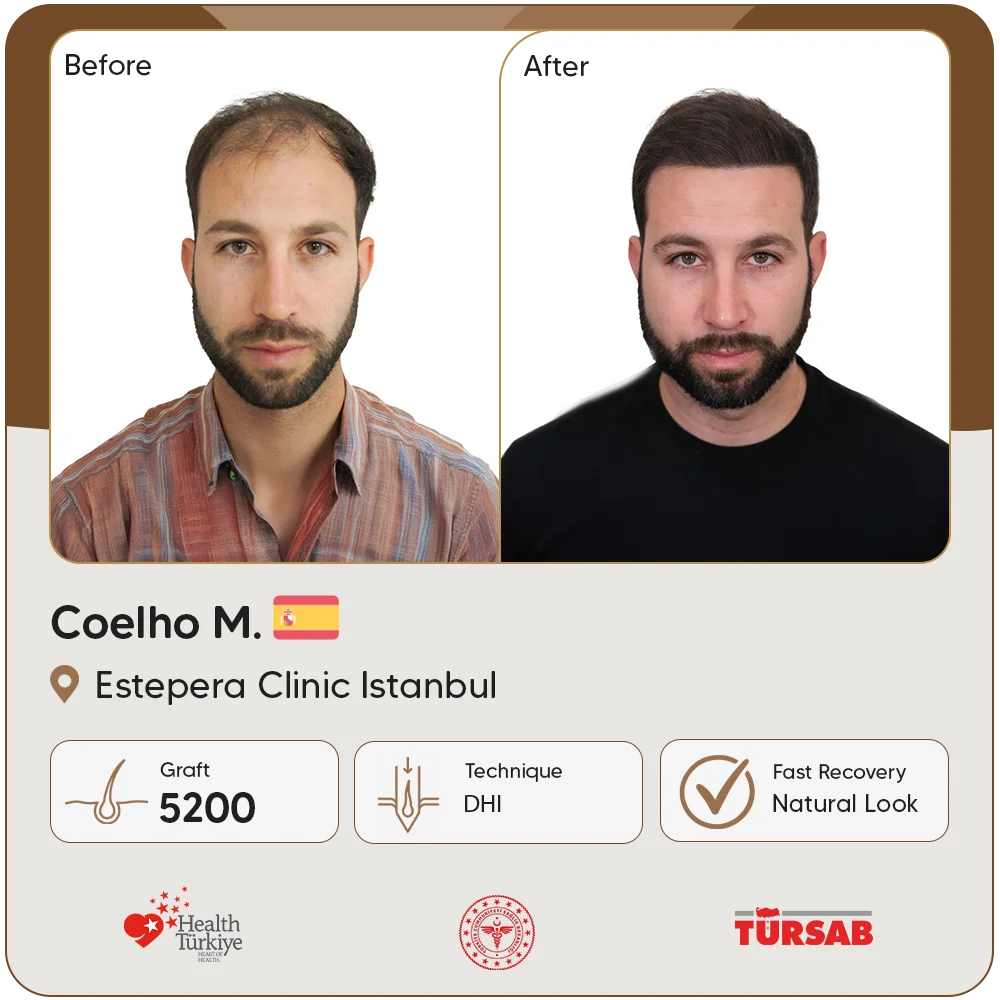
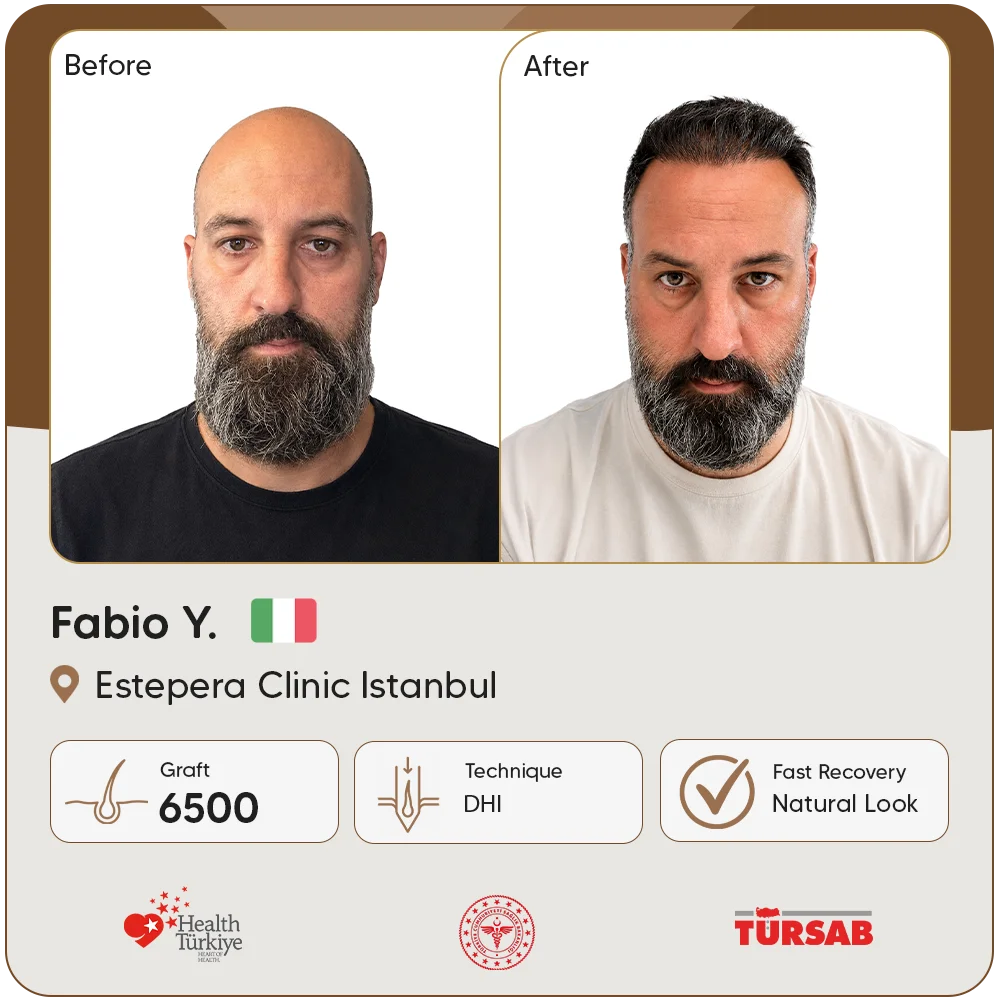
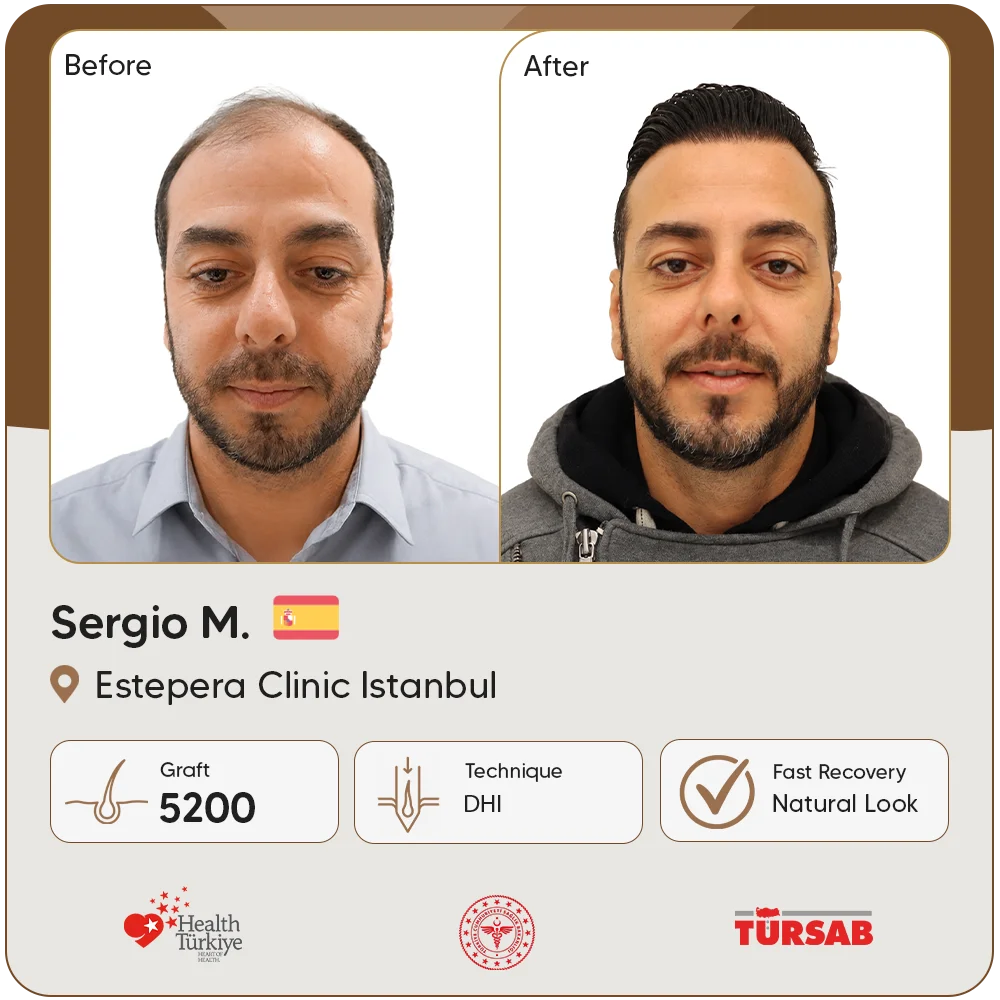
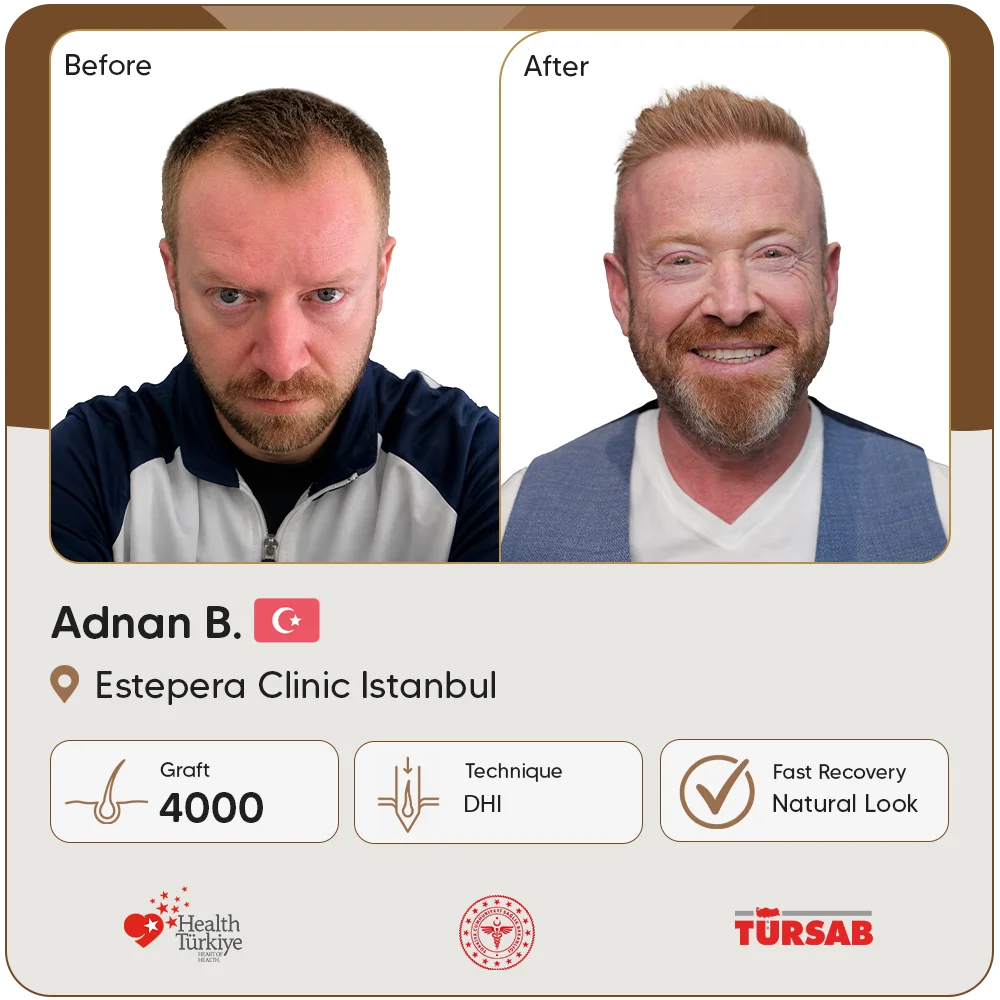
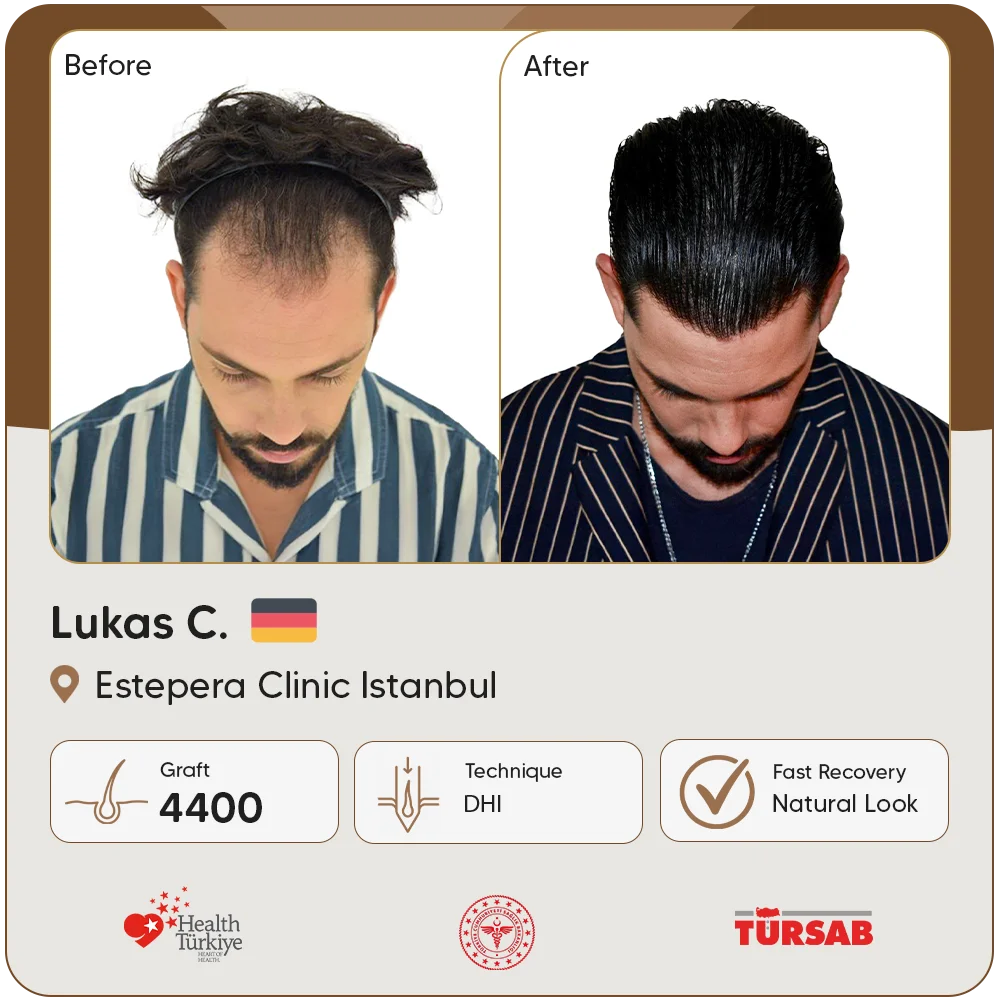
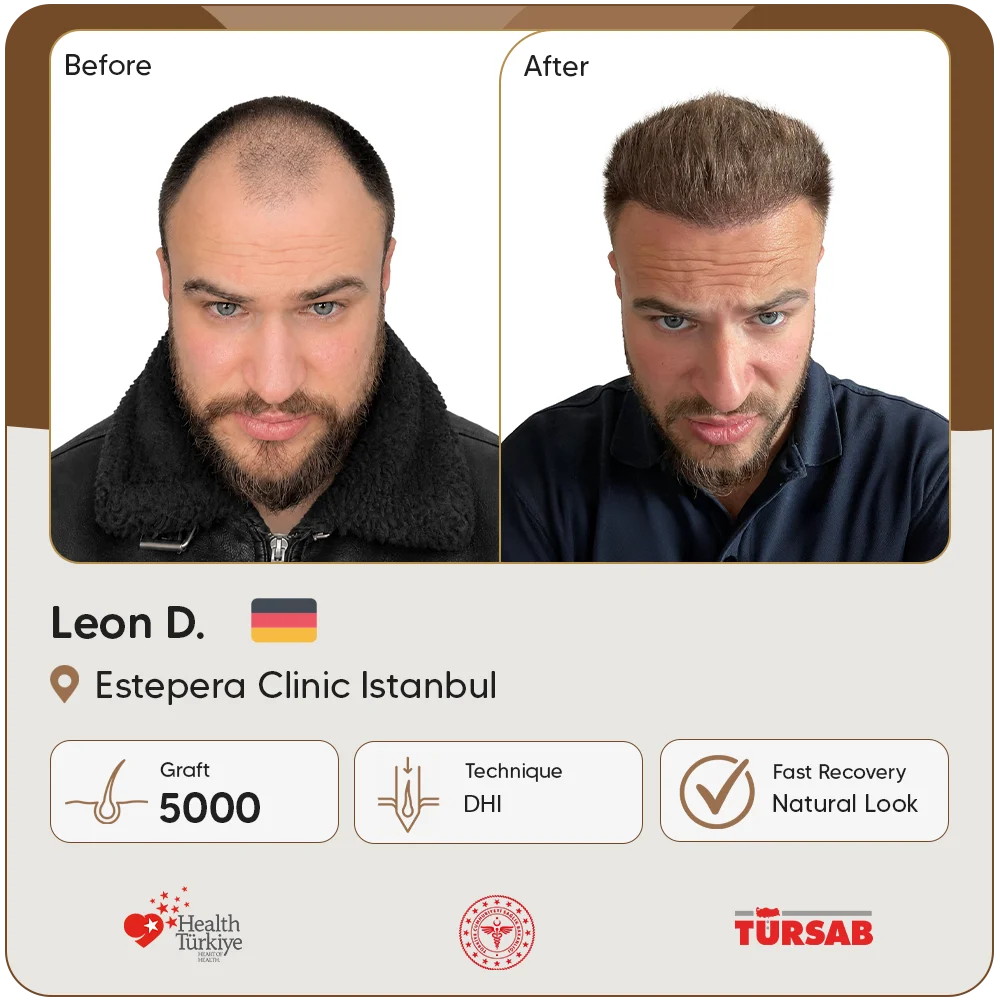
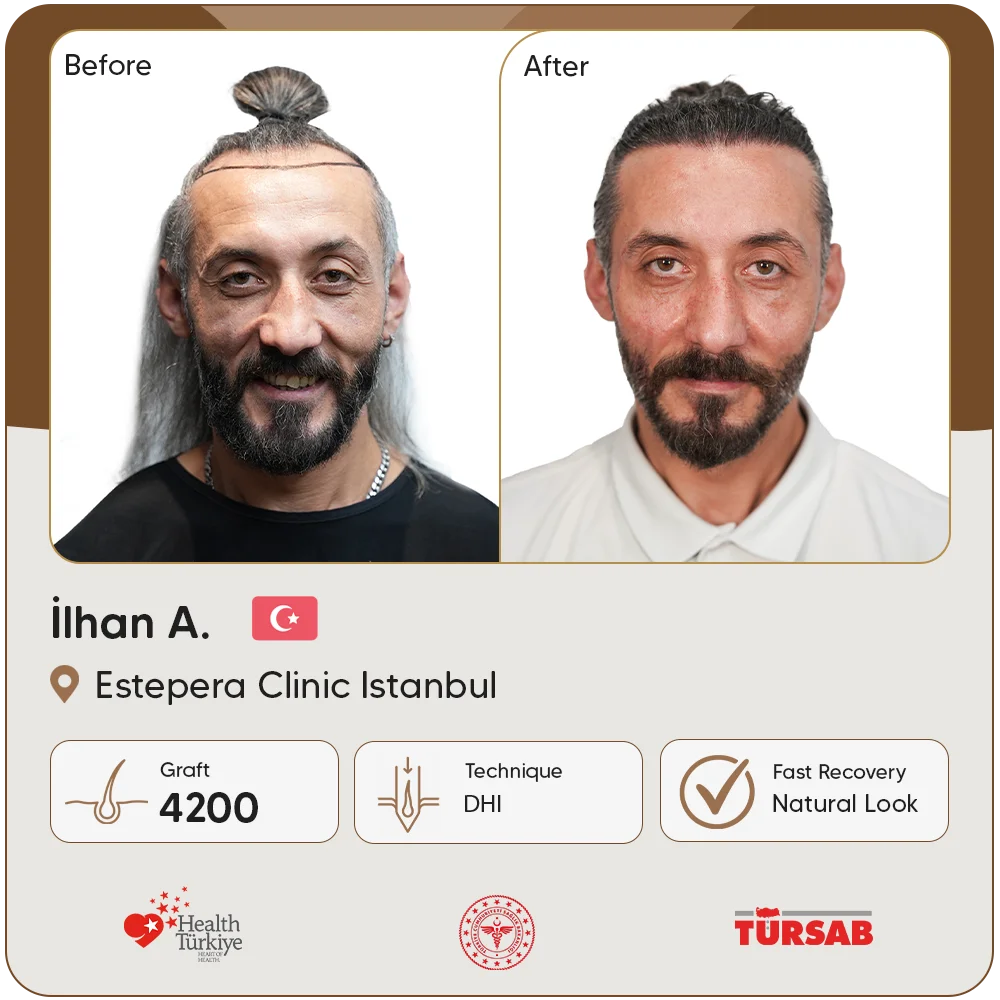
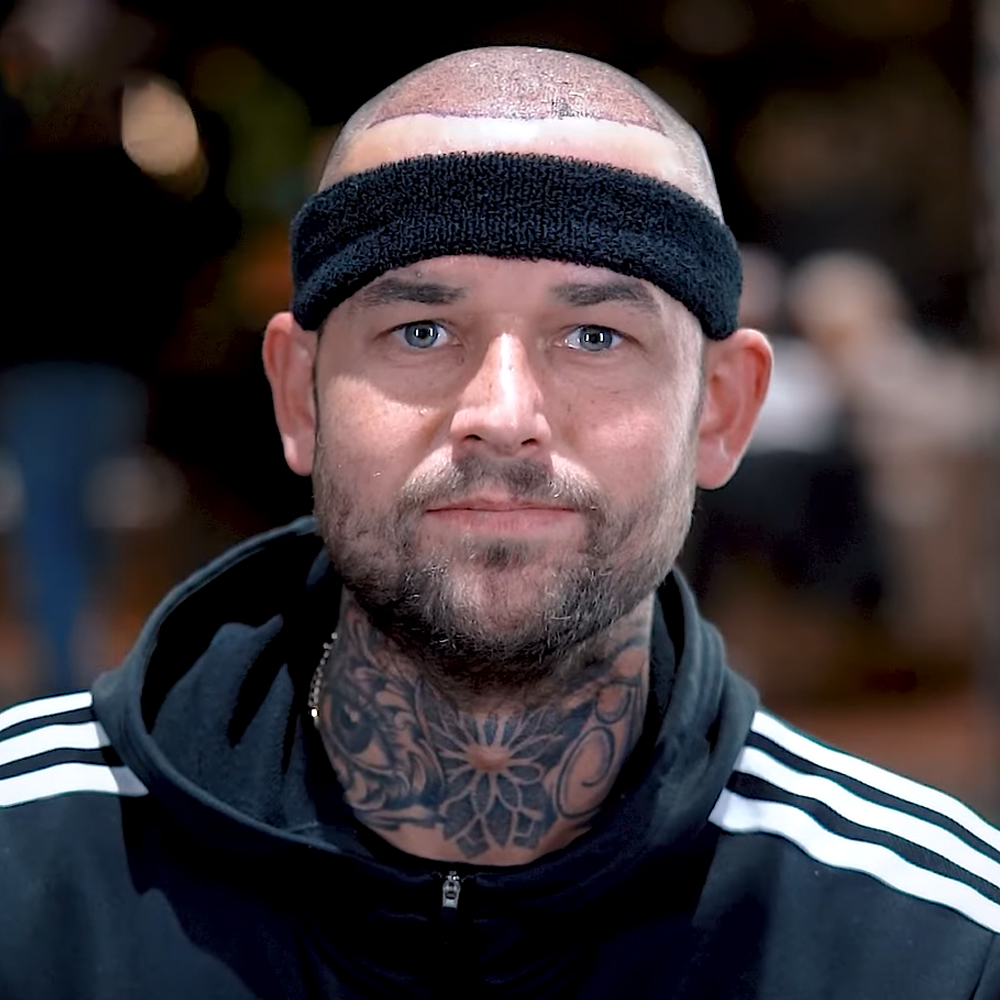
I've had a hair transplant not long ago with Estepera Hair Clinic of İstanbul-Turkey. Had the operation like in December 20, 2018. Its been a year now, so i've got my final result. It looks very good and natural, i feel myself like a new man, before the operation i wouldn't walk with my head like that without a hat, probably that could be the reason of my baldness but finally i got rid of it.Thanks to Estepera... The operation is not that painful, they applied anaesthesia on me before starting, so i was quite confortante, watching TV during the procedure..they make me feel home, i think that is part i miss the most.. Everything was awesome..i know there are other people that don't know which Clinic to pick,, but in my own experience do not recommend any other one except Estepera, you could say it's the most cosy Clinic you would find..
Had my transplant in Turkey's best Clinic. Before i start sharing my unforgetable experience here i would like to say that this is one of the writings in which i declare my joy willfully.. Nobody pushed me. As soon as you get at their clinic you have the feeling they are right beside immediately, your questions meet the answers right away, without any delay. My interpreter was at same time a guide to me..fulfilling my wishes without questioning. The operation i had consisted in 3 steps Extraction, Opening of the channels and Hair transplant, did it using FUE method. sometimes people keep saying there's pain while you are in the operating room, but that's not exactly how it is, i mean maybe because i had my operation in the right place, because i didn't feel pain during those 3 steps, which takes me to confess that Estepera is an excellent Hair Clinic in Turkey, because administering a local anaesthesia without you feeling pain requires professionalism, and that's the value that Estepera has..a big deal. I myself run a business in my city, i have employees, many friends and colleagues that i already shared this wonderful experience.. So considering all the positive sides of Estepera, i can frankly say they deserve a 5 star.. Hifive from Canada
Everyone's Clinic.. I am Richard, i would like to share with you guys about my experience on this Hair transplant .. Months ago my friend came up with the idea of having a hair operation...obviously he has been researching even before he told me about it and in the end decided to go with Estepera , but i didn't have any idea of what it was and how it's performed. He insisted on going together as he knew i was bald too, but not that bald, just the front side. My informations on the case being limited i told my fiend i wanted to see his result first then i could go. He arranged his trip and went for it, when i saw he was getting better result i asked where he had it done, said Estepera Hair Clinic Turkey, which is in the core of Istanbul. Anyway i got my consultation with the clinic, they told me i had 2 choices, FUE or DHI, but preferred them to tell me what's the best for me, apparently DHI was. Everything my friend had told me is exactly the same, he told from the hotel till the clinic itself, about how confortable is was, decent place and people, professional staff... Everything was just fantastic.. recommendable!
This Clinic, EsteperaHair, is well know in Turkey …,they know how to handle things in a very professional way, after i booked my flight tickets, a confirmation letter was sent to my email..as i had taken days off, so this was a relief. I landed in Istanbul like 12pm, the interpreter of the clinic gave me a call by the moment i stepped out of the plane and passed the orientation on what direction i had to go.. He called the driver to pick up. Anyway, we go at hotel, in though i thought i would have trouble as i didn't know their language by apparently they did speak English, and that was one of the nice parts of the hotel. Smiling staff.. Anything i needed to get help for, there was my interpreter giving a hand.. I felt honored as Estepera's patient.. My other concern was related to the procedure itself, i kept asking questions myself, because i'm very sensitive to the pain, i can say that was my only weakness but nevertheless the medical team administered the anaesthesia part so very carefully that i didn't feel much thing as i though i would.. That's called professionalism, perfection of a company like Estepera, 100% recommended!
I did perform a hair transplant with the experts, with Estepera. In the first week of January i had a hair operation in İstanbul, which is located in the heart of the city. Before making any decisions i prefered to get some more information on this rather than going blind, so i gave a look at YouTube videos just by typing a few words that have to do about hair. What can say, the number of information on that platform is quite surprising, i though i could make a decision on a clinic in a short time but that didn't happen at all. It took me a whole day to make my mind. There was this video or in other words, intro that kept coming on top evert time i changed the videos. I said maybe this is something worth to watch, i clicked on it, and, man.. That video takes you step by step giving all the answers you would want. That's how i decided to go with Estepera Hair Clinic Turkey.. When i arrived at the airport i felt like maybe i will be lost, but thankfully the clinic is very careful about pick ups, i followed a few people that landed from the same plane as me, and i found myself on the exit floor from where the driver picked me up in at vip van and guided to the hotel.. Next day after breakfast i went to the clinic for the procedure, it was like 11am or something like that. Translator was a great help to me. Passed the pre-op informations as soon as I got at the clinic. We did blood test, went for the pictures, consultation and so on. He presented the medical team that was to take care about me for the entire procedure. Everything went well till the end, i was just tired after those hours, the only thing i wanted is going back to the hotel and take a rest. The team asked me if i was feeling bad myself and said no, they asked that question again to make sure if i'm OK. They are a perfect Clinic from i can tell.. I have friends and colleagues who would like to undergo an operation as well, and Estepera Hair Transplantation is the only place i can recommend not only to them, for everyone else, trustful, professional..
A very exciting experience!! My name is Martin, came from England to perform my hair surgery at Estepera.. As every one does, i bileve, before reaching Istanbul had my own researchs regarding what this kind of operation is. As far as i can tell, my biggest wish was to perform with DHI method, but was told by the specialists that my baldness was very advanced and the most ideal technique would be FUE. That was fine to me, i made all arrangements to go ahead with Estepera, i remember contacting the clinic English representer on Sunday, even though they served me gladly, which motivated me, not just that but also the clinic's organization is outstanding, with people who like to help at any time. As there so many clinics out there, i didn't choose Estepera right away, i made many other researchs for a long period of time and i have seen different places as well, but considering the number of good reviews i have noticed that in Istanbul, EsteparaHairClinic is the top not only in one aspect, be it terms of professionalism, organization etc. Well, the package i bought included 3 days, so i booked my flight accordingly. I a arrived, next day operation, which took a little bit longer. The driver picked me up from the hotel and dropped at the clinic, and after the procedure finished, the interpreter passed all the informations, next, the driver took me back to the hotel. 3rd day was for the wash, they gave me a hat for sun protection before i left the clinic. Right after that i went for a walk as that was my last day in Istanbul. One thing thank i liked the most, even the doctor check on you during the procedure, i here thank Mrs. Yeliz, they have a great team.. You are the best in Istanbul-Turkey!! Huggs from England.