 FR
FR ES
ES IT
IT DE
DE RU
RU PT
PT AR
AR RO
RO BG
BG MK
MK IL
IL GR
GR ID
ID SK
SK JP
JP CN
CN PL
PL KR
KR TR
TR
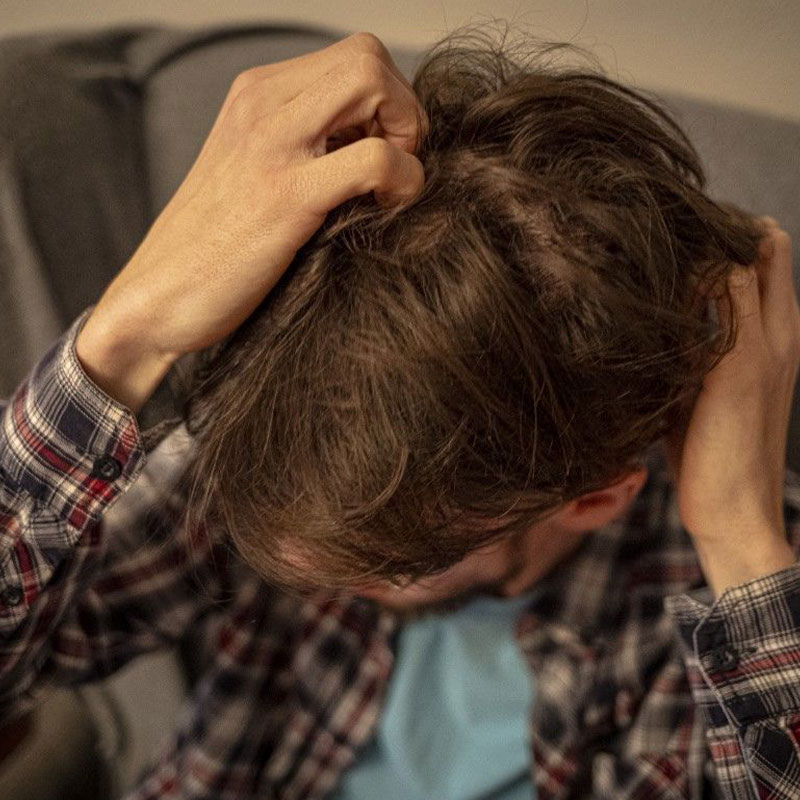
Recurring scab on scalp in the same spot is a common but often misunderstood scalp condition that may signal anything from simple skin irritation to underlying dermatological or hair follicle disorders. If a scab repeatedly forms in the same area of the scalp, it should not be ignored, as it can affect hair growth, scalp health, and even indicate chronic inflammation or infection.
What Does a Recurring Scab on the Scalp Mean?
A recurring scab on the scalp refers to a crusted or hardened lesion that repeatedly appears in the same localized area. Unlike temporary scabs caused by minor cuts or scratches, these lesions often reappear even after healing. This repetition is a sign that the underlying cause has not been resolved.
The scalp is a unique anatomical region rich in hair follicles, sebaceous glands, sweat glands, and a dense vascular network. Because of this complexity, even small disturbances can lead to persistent skin reactions. When a scab keeps forming in the same spot, it usually means that the skin barrier in that area is compromised or continuously irritated.
Why Does a Scab Keep Coming Back in the Same Spot?
The most important question patients ask is why the scab does not heal permanently. The answer lies in recurring triggers. These triggers may be mechanical, inflammatory, infectious, autoimmune, or even behavioral.
Repeated scratching, chronic inflammation, bacterial colonization, fungal infections, or abnormal skin cell turnover can all prevent complete healing. In some cases, the body constantly attempts to repair the same damaged area, resulting in repeated scab formation.
Common Causes of Recurring Scabs on the Scalp
Chronic Scratching and Mechanical Trauma
One of the most common reasons for a recurring scab on the scalp is habitual scratching. Itching caused by dandruff, allergies, stress, or dryness can lead to repeated trauma in the same area. Even unconscious scratching during sleep can reopen healing skin, restarting the scab formation cycle.
Over time, this creates a localized thickened skin area that becomes more sensitive and prone to re-injury.
Seborrheic Dermatitis
Seborrheic dermatitis is a chronic inflammatory condition that commonly affects the scalp. It causes redness, scaling, itching, and sometimes yellowish or white scabs. These scabs often appear in the same areas repeatedly, especially around the crown, hairline, or behind the ears.
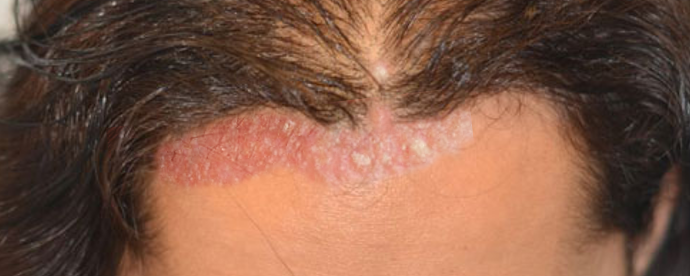
Seborrheic Dermatitis
The condition is associated with an overgrowth of Malassezia yeast and excessive oil production, leading to persistent irritation.
Scalp Psoriasis
Psoriasis is an autoimmune condition that causes rapid skin cell turnover. On the scalp, it can present as thick, silvery scales and scabs that frequently recur in the same locations.
Unlike dandruff, psoriasis-related scabs are usually well-defined and may extend beyond the hairline. Scratching these plaques often leads to bleeding and re-scabbing, making healing difficult without proper treatment.
Folliculitis and Infected Hair Follicles
Folliculitis occurs when hair follicles become inflamed or infected, often due to bacteria such as Staphylococcus aureus. Recurrent folliculitis can cause scab formation at the same follicle repeatedly.
This condition may be worsened by excessive sweating, poor scalp hygiene, tight headwear, or the use of harsh hair products.
Fungal Infections of the Scalp
Tinea capitis, a fungal infection of the scalp, can cause scaly patches, inflammation, and recurrent scabs. These lesions may persist or recur if the infection is not fully eradicated.
Fungal scalp infections are more common in children but can also affect adults, especially those with weakened immune systems.
Contact Dermatitis and Allergic Reactions
Hair dyes, shampoos, styling products, and even hats or helmets can cause allergic or irritant contact dermatitis. If a specific product consistently touches the same area of the scalp, it may trigger repeated inflammation and scab formation.
This is particularly common near the temples, nape of the neck, or frontal hairline.
Actinic Keratosis and Sun Damage
Chronic sun exposure can damage the scalp skin, especially in individuals with thinning hair. Actinic keratosis presents as rough, scaly patches that may crust and scab repeatedly.
These lesions are considered precancerous and require medical evaluation, particularly if they persist in the same spot.
Skin Cancer Concerns
Although less common, a recurring scab in the same location that does not heal over weeks or months can be an early sign of skin cancer, such as basal cell carcinoma or squamous cell carcinoma.
Warning signs include bleeding, rapid regrowth of the scab, changes in color, or pain. Any persistent lesion should be evaluated by a dermatologist.
Can a Recurring Scab Cause Hair Loss?
Yes, a recurring scab on the scalp can directly or indirectly lead to hair loss. Chronic inflammation damages the hair follicle environment, disrupting the normal hair growth cycle.
Repeated scabbing may result in:
- Temporary shedding due to inflammation
- Miniaturization of hair follicles
- Scarring alopecia in severe or untreated cases
When scarring occurs, hair follicles are permanently destroyed, making hair regrowth impossible without intervention.
Scarring Alopecia and Chronic Scalp Lesions
Scarring alopecia develops when inflammation damages the follicle stem cells. Conditions like lichen planopilaris, discoid lupus erythematosus, or long-standing infections can cause irreversible hair loss.
Recurring scabs are often an early warning sign of these conditions. Early diagnosis is crucial to prevent permanent damage.
How to Diagnose the Cause of a Recurring Scab on the Scalp
Dermatological Examination
A thorough scalp examination by a dermatologist is the first step. Visual inspection, dermoscopy, and medical history provide valuable clues.
Scalp Biopsy
In cases where autoimmune disease, scarring alopecia, or cancer is suspected, a scalp biopsy may be performed to confirm the diagnosis.
Microbiological Tests
Swabs or scrapings may be taken to identify bacterial or fungal infections.
Treatment Options for Recurring Scabs on the Scalp
Medical Treatments
Treatment depends on the underlying cause and may include:
- Antifungal shampoos
- Topical corticosteroids
- Antibiotic creams or oral antibiotics
- Immunomodulatory treatments
- Medicated keratolytic agents
Consistency is key, as stopping treatment too early often leads to recurrence.
Lifestyle and Scalp Care Adjustments
Proper scalp hygiene plays a critical role in preventing recurrence. Gentle cleansing, avoiding harsh chemicals, and refraining from scratching are essential.
Stress management is also important, as stress can worsen inflammatory scalp conditions.
When Should You See a Specialist?
You should seek medical evaluation if:
- The scab lasts longer than 2–3 weeks
- It keeps returning to the same spot
- There is pain, bleeding, or rapid growth
- Hair loss is occurring around the lesion
Early intervention improves outcomes and protects scalp health.
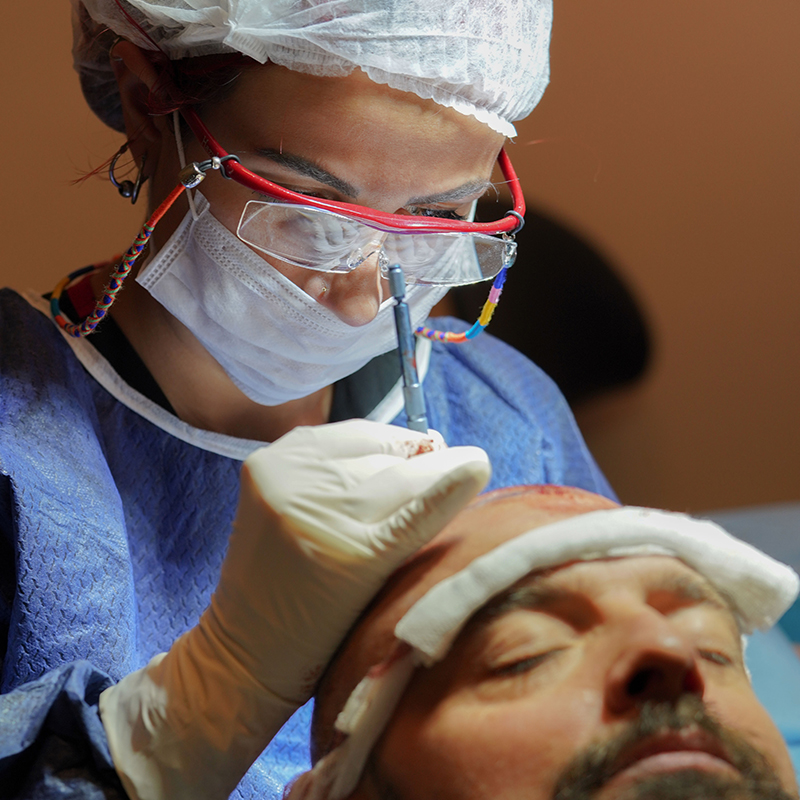
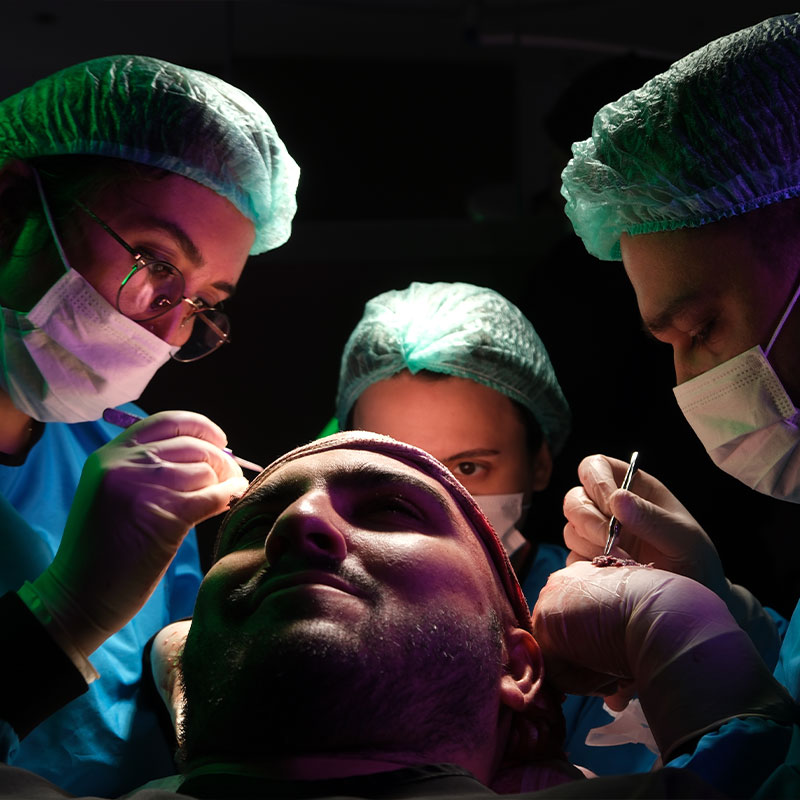
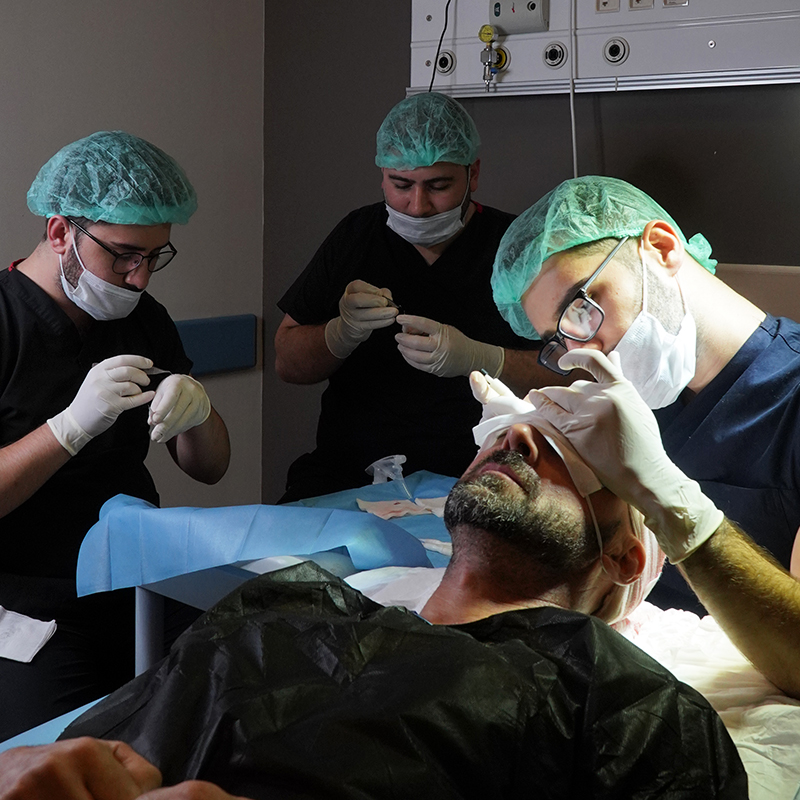
Recurring Scabs After Hair Transplant Surgery
In patients who have undergone hair transplant procedures, recurring scabs may appear due to:
- Delayed healing
- Infection
- Excessive manipulation of grafts
- Underlying scalp conditions
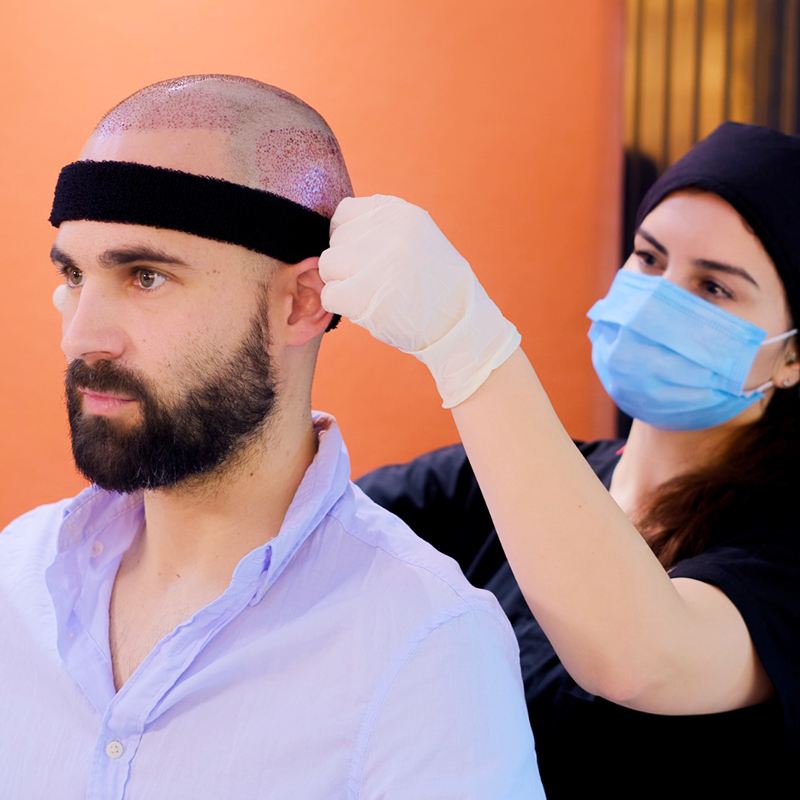
Proper aftercare and professional follow-up are essential to avoid complications.
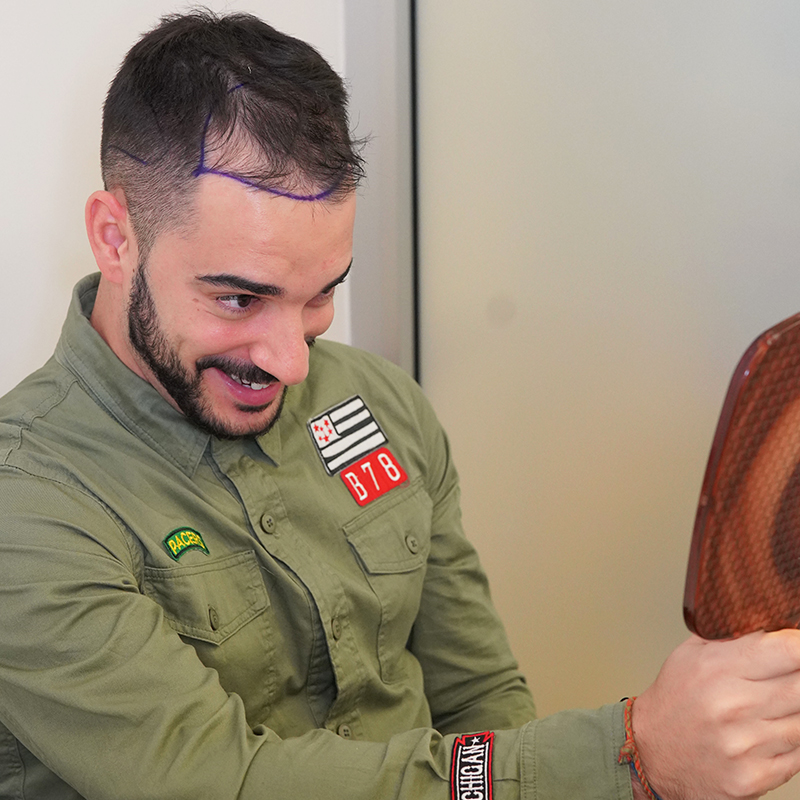
Can Hair Transplant Be Performed on a Previously Affected Area?
Yes, but only after the scalp condition is fully treated and stabilized. Active inflammation or scarring must be ruled out before any hair transplant procedure.
An experienced clinic will always prioritize scalp health before transplantation.
Long-Term Prevention Strategies
Preventing recurring scabs involves:
- Identifying triggers
- Maintaining scalp barrier integrity
- Regular dermatological follow-ups
- Using medical-grade hair and scalp products
Prevention is often easier and more effective than repeated treatment.
Psychological Impact of Chronic Scalp Conditions
Persistent scalp lesions can affect self-esteem, cause anxiety, and reduce quality of life. Patients often feel embarrassed or frustrated by visible scabs and associated hair loss.
Addressing both physical and emotional aspects is important in comprehensive care.
The Importance of Professional Evaluation
Self-diagnosis and over-the-counter treatments may temporarily mask symptoms but rarely resolve chronic issues. Professional assessment ensures accurate diagnosis and targeted treatment.
Hair Transplant and Scalp Health: Why the Foundation Matters
Healthy scalp skin is the foundation of successful hair growth. Any condition that disrupts this environment must be treated before considering aesthetic solutions.
Ignoring scalp problems can compromise hair transplant results and long-term hair density.
Hair Transplant Turkey: Why Scalp Health Comes First at Estepera
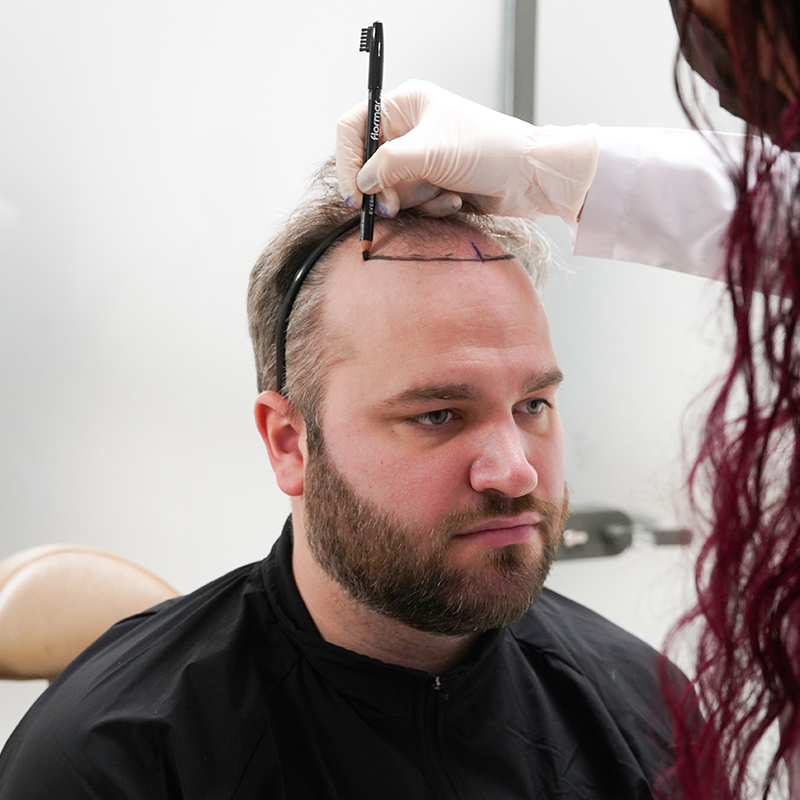
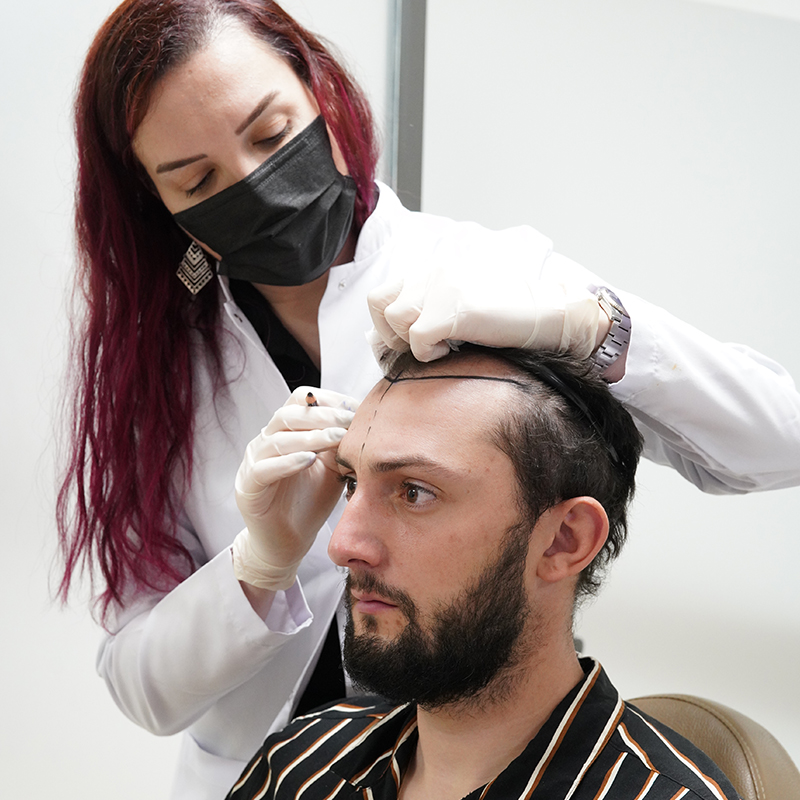
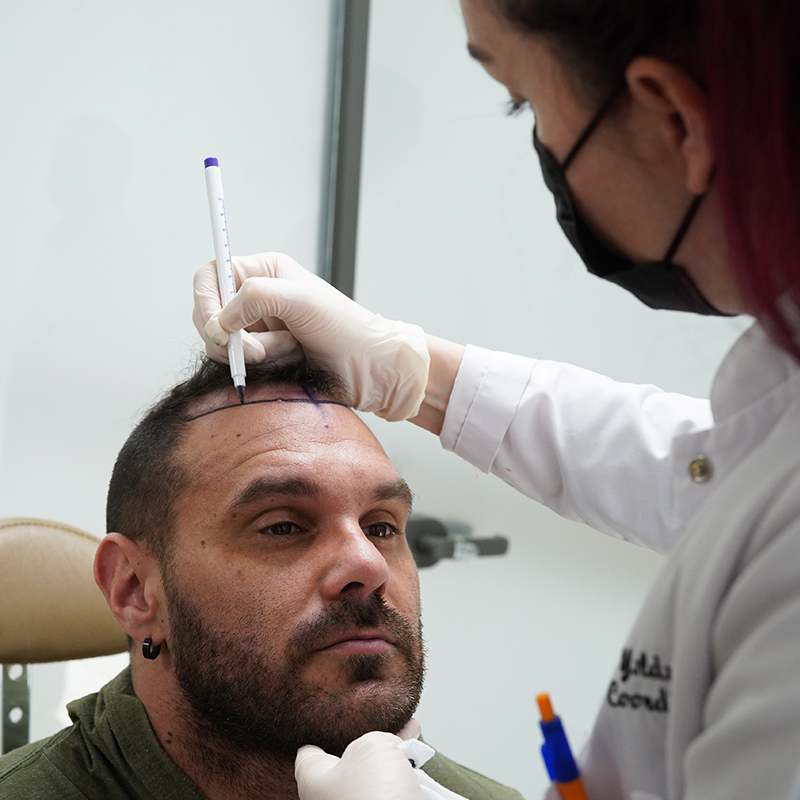
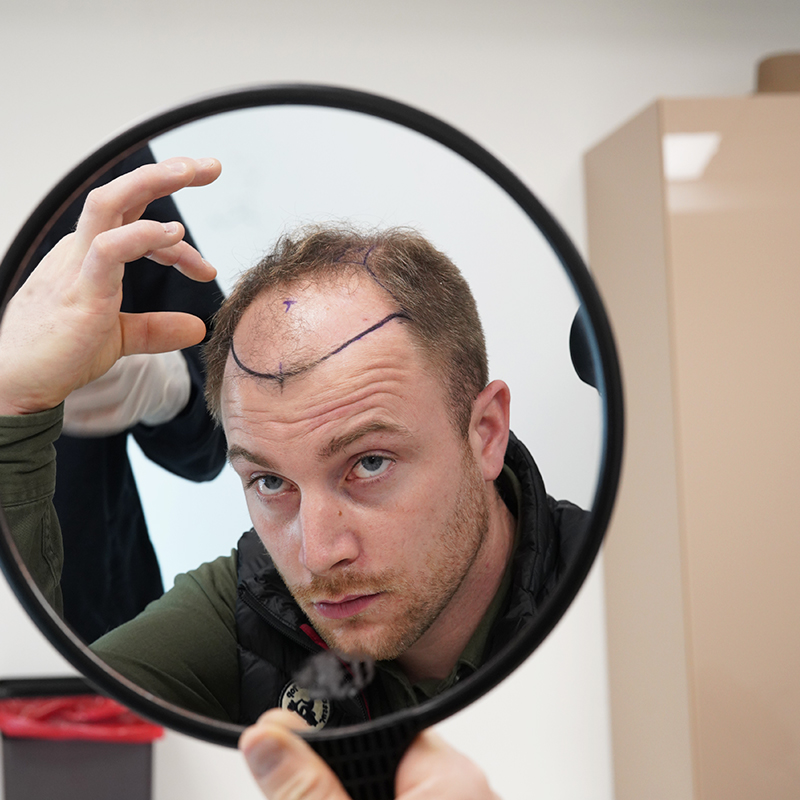
If recurring scalp scabs have led to hair thinning or permanent hair loss, advanced solutions may be required. Hair Transplant Turkey has become a global choice due to its high medical standards, experienced surgeons, and advanced technology.
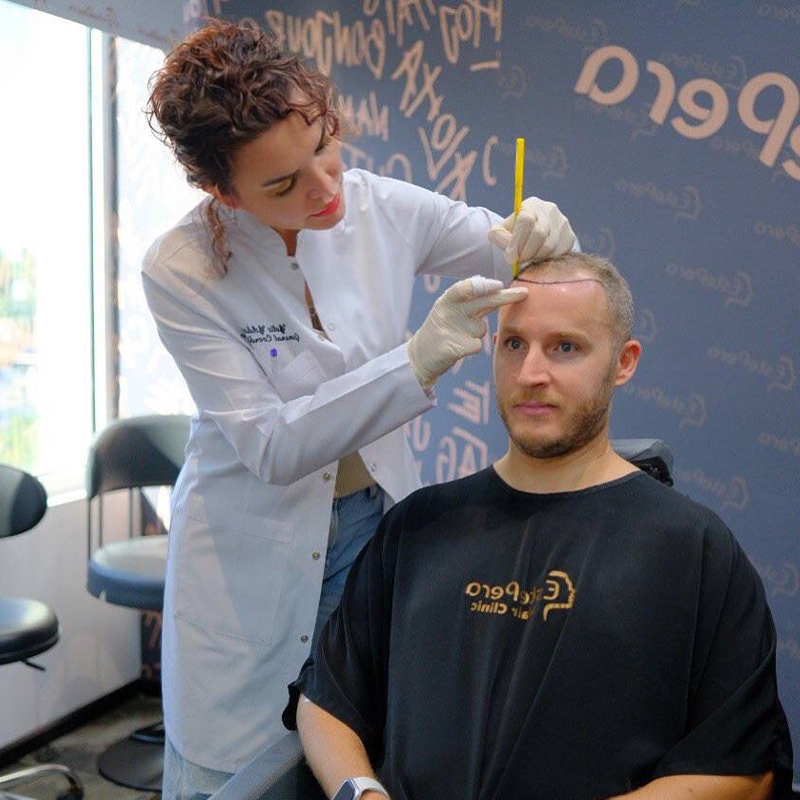
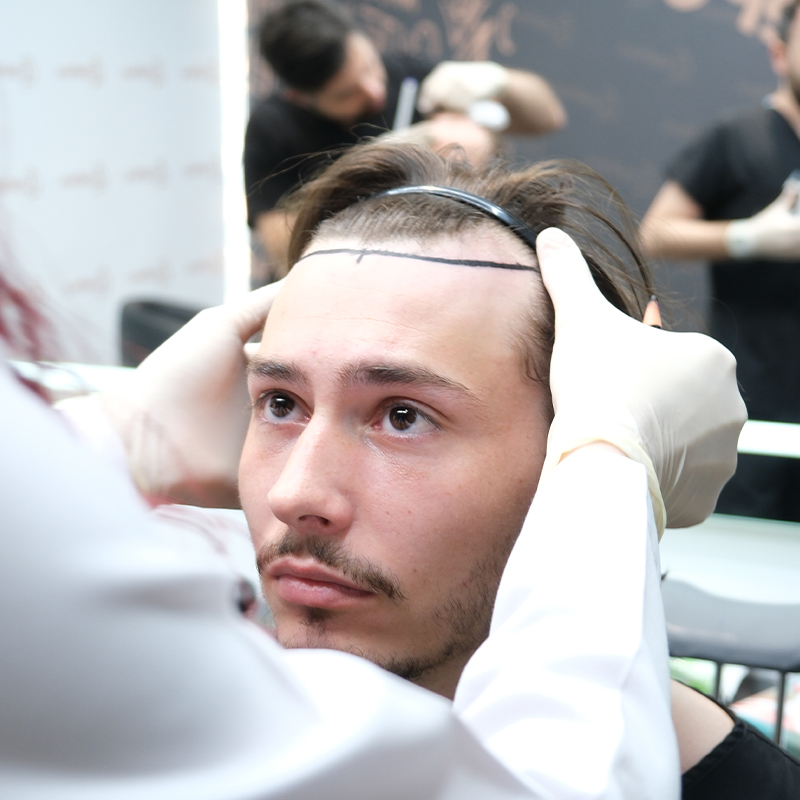
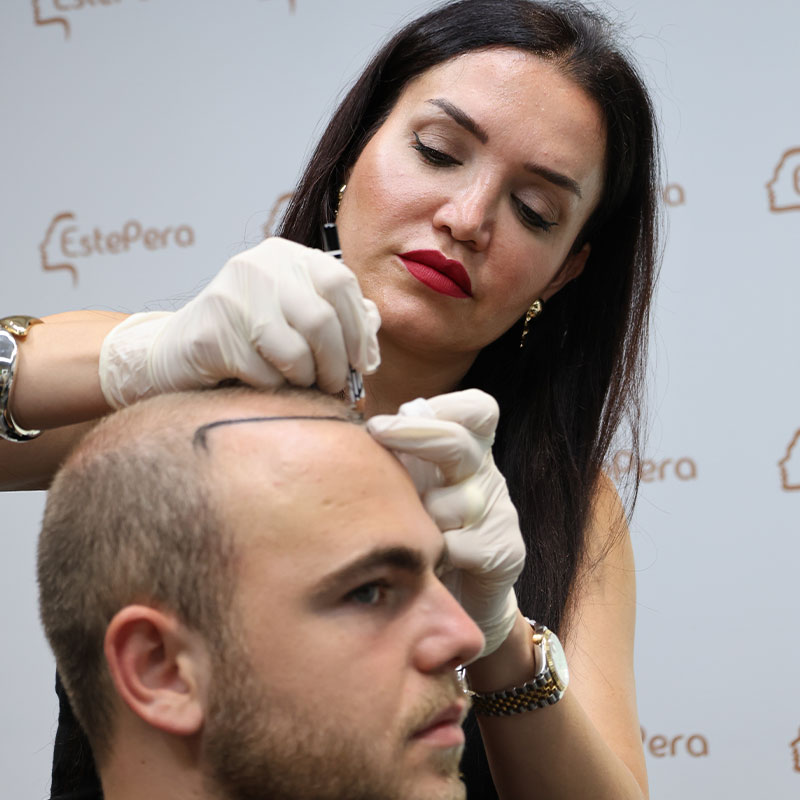
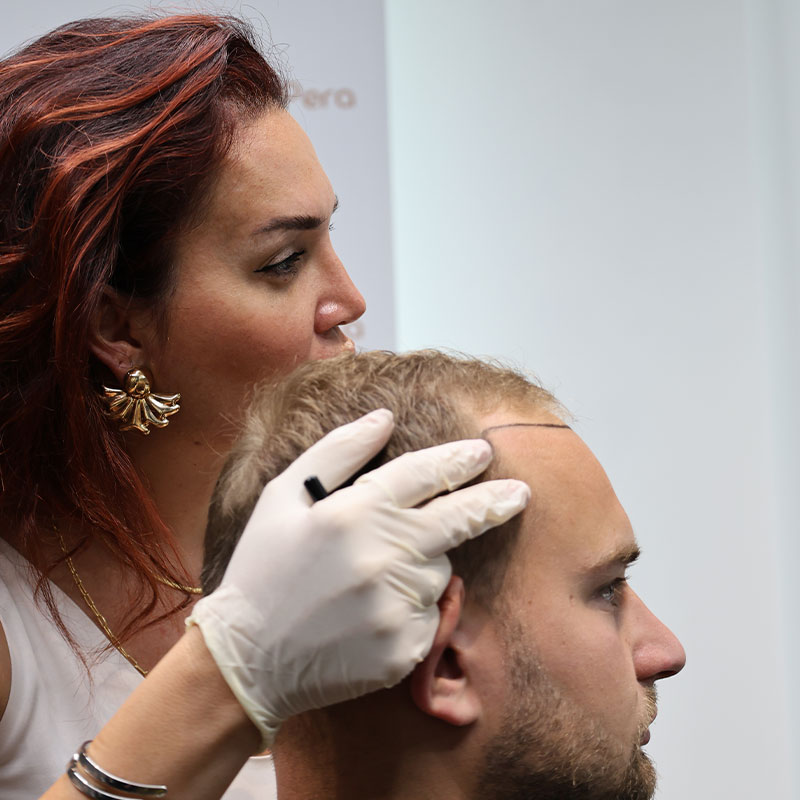
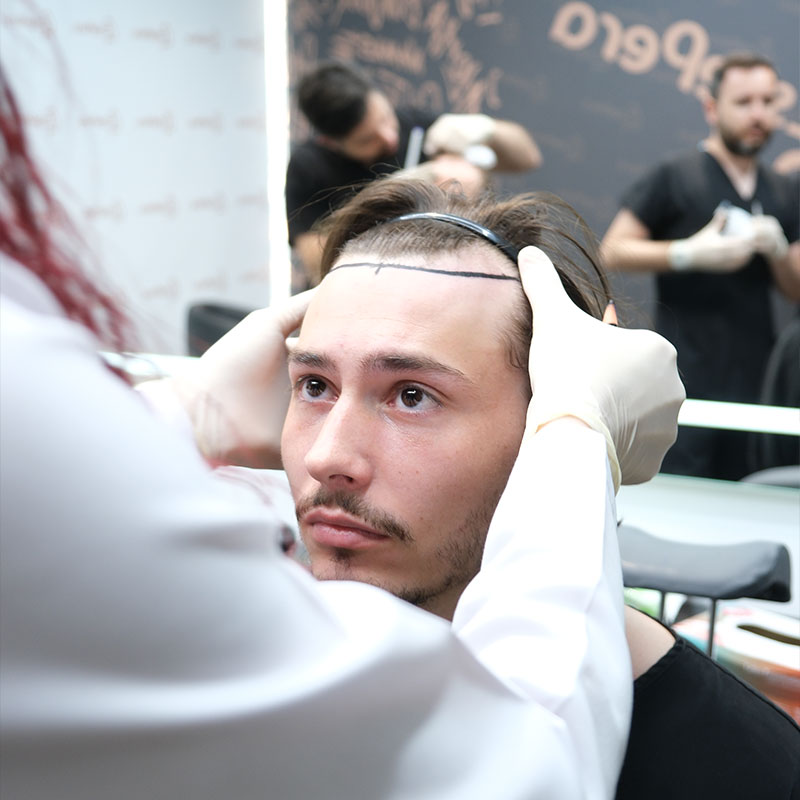
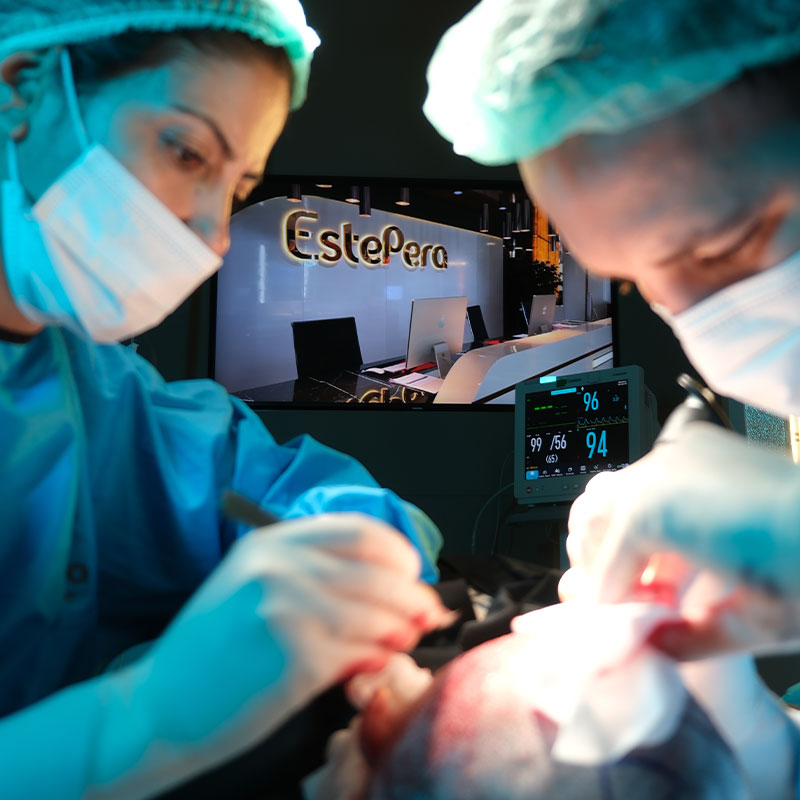
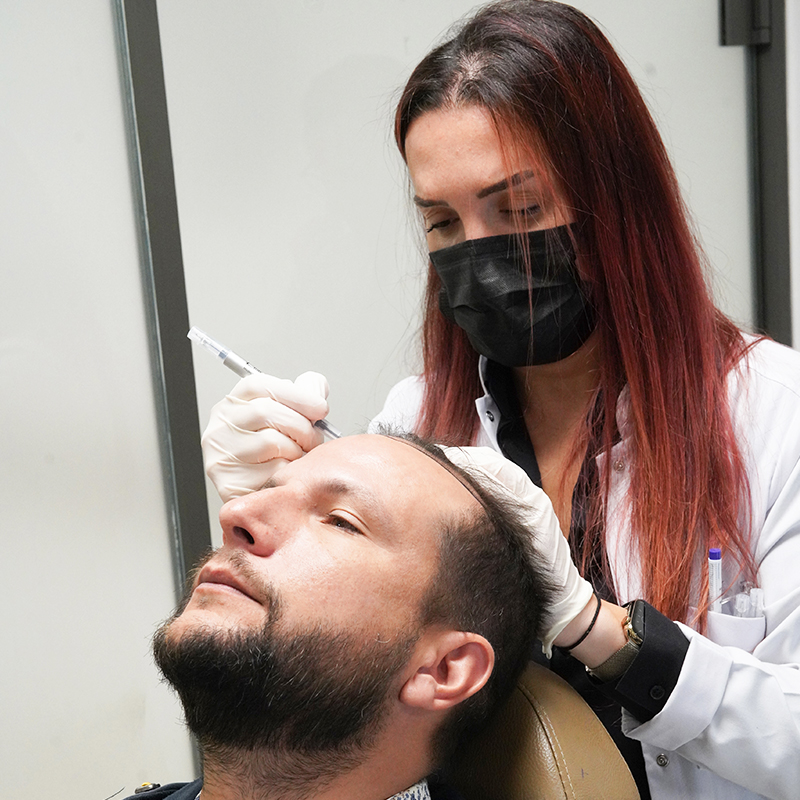
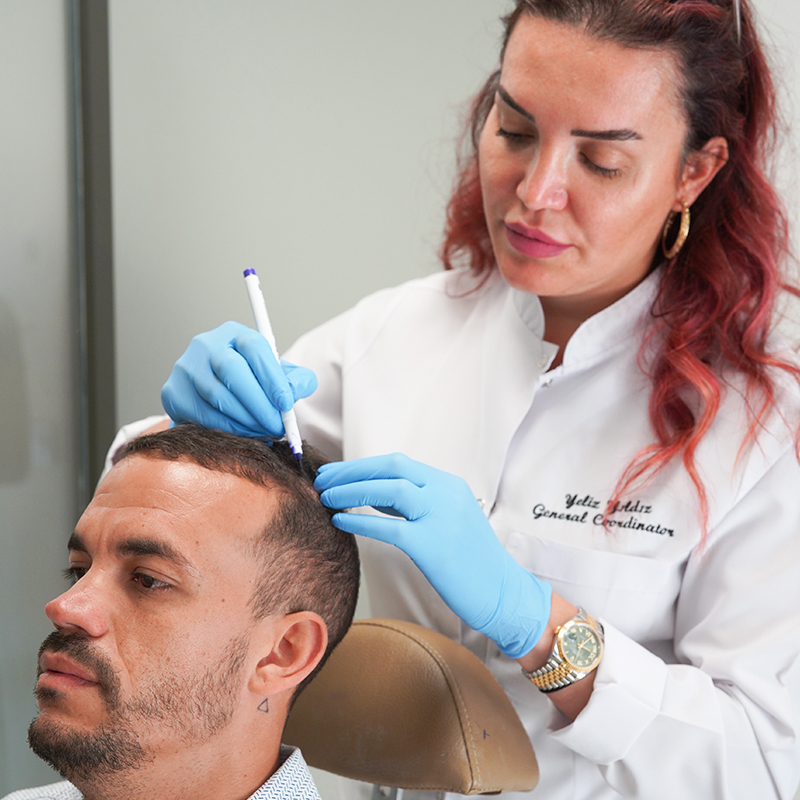
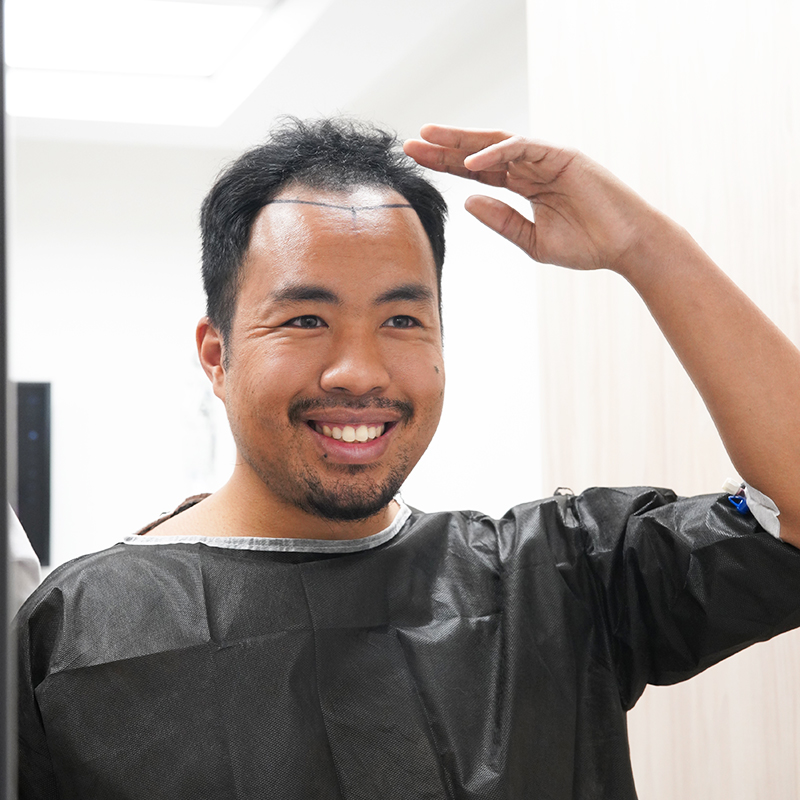
At Estepera Hair Clinic, scalp health is always evaluated before any hair transplant procedure. Our medical team conducts detailed scalp analyses to identify inflammation, scarring, or dermatological conditions that could affect results. Only after ensuring a healthy scalp environment do we proceed with personalized hair transplant planning.
With thousands of successful cases and a patient-centered approach, Estepera combines medical expertise with natural-looking results for patients seeking Hair Transplant Turkey solutions built on long-term scalp health.
Ready to Begin Your Transformation?
Contact Estepera Hair Clinic today for a free consultation and discover how you too can regain your confidence…
Sources & References
Female Pattern Hair Loss — American Academy of Dermatology
Female Pattern Hair Loss: Clinical Update — PMC (Peer-reviewed)
Hormone Changes Around Menopause — The Menopause Society (NAMS)
Oxidative Stress & Hair Follicle Aging — PMC (Review)
Management of Hair Loss in Primary Care — BMJ Clinical Review