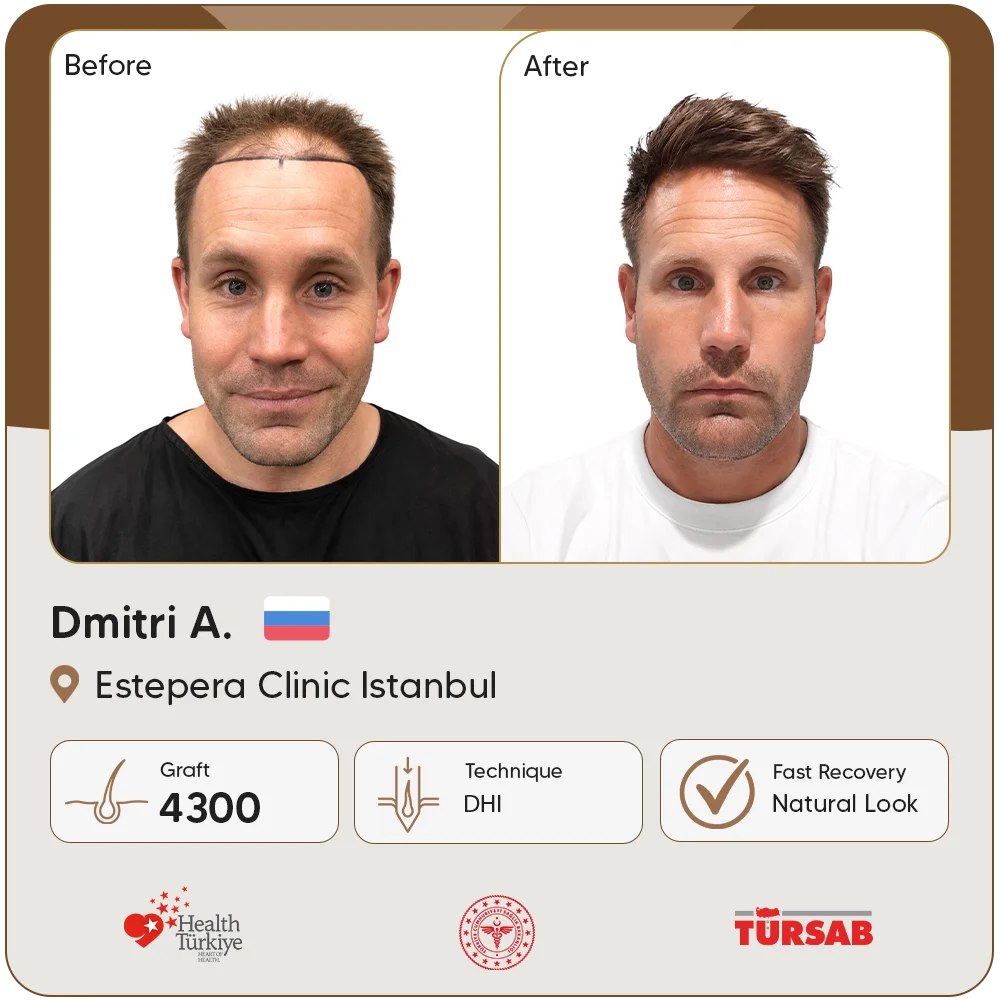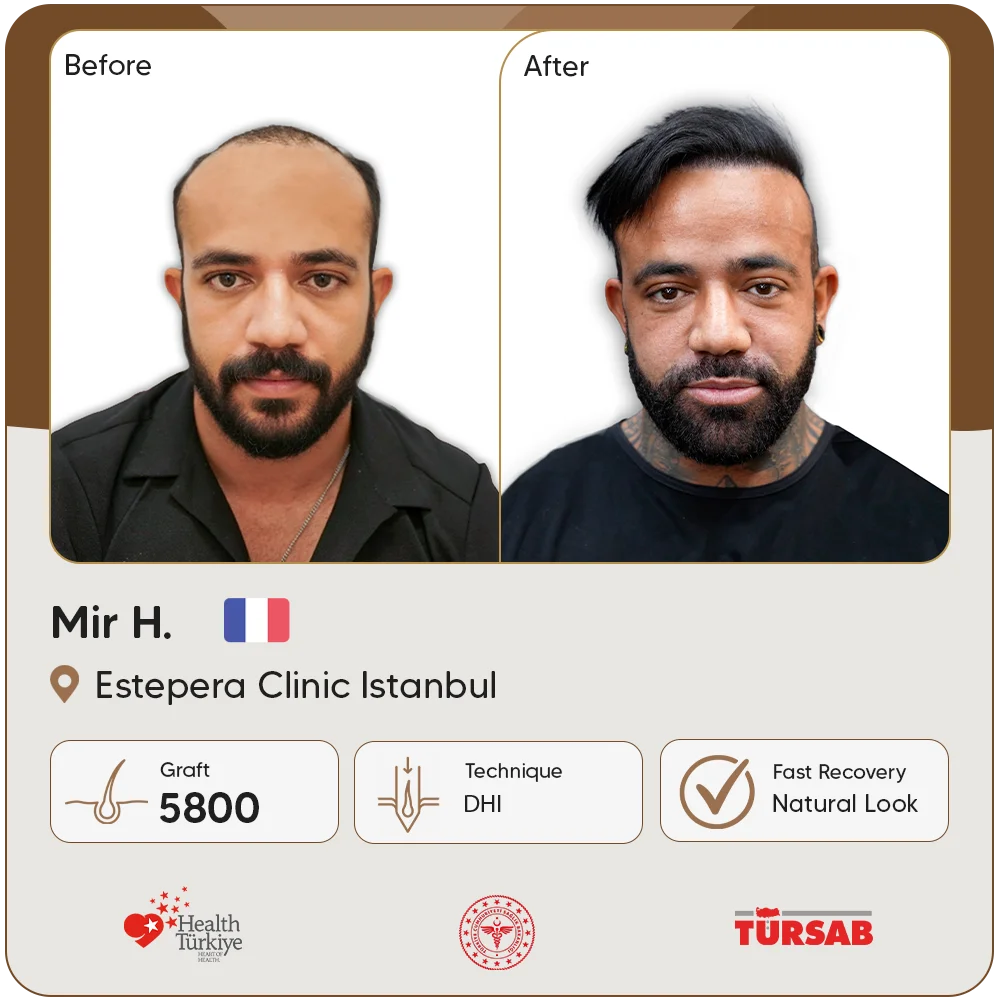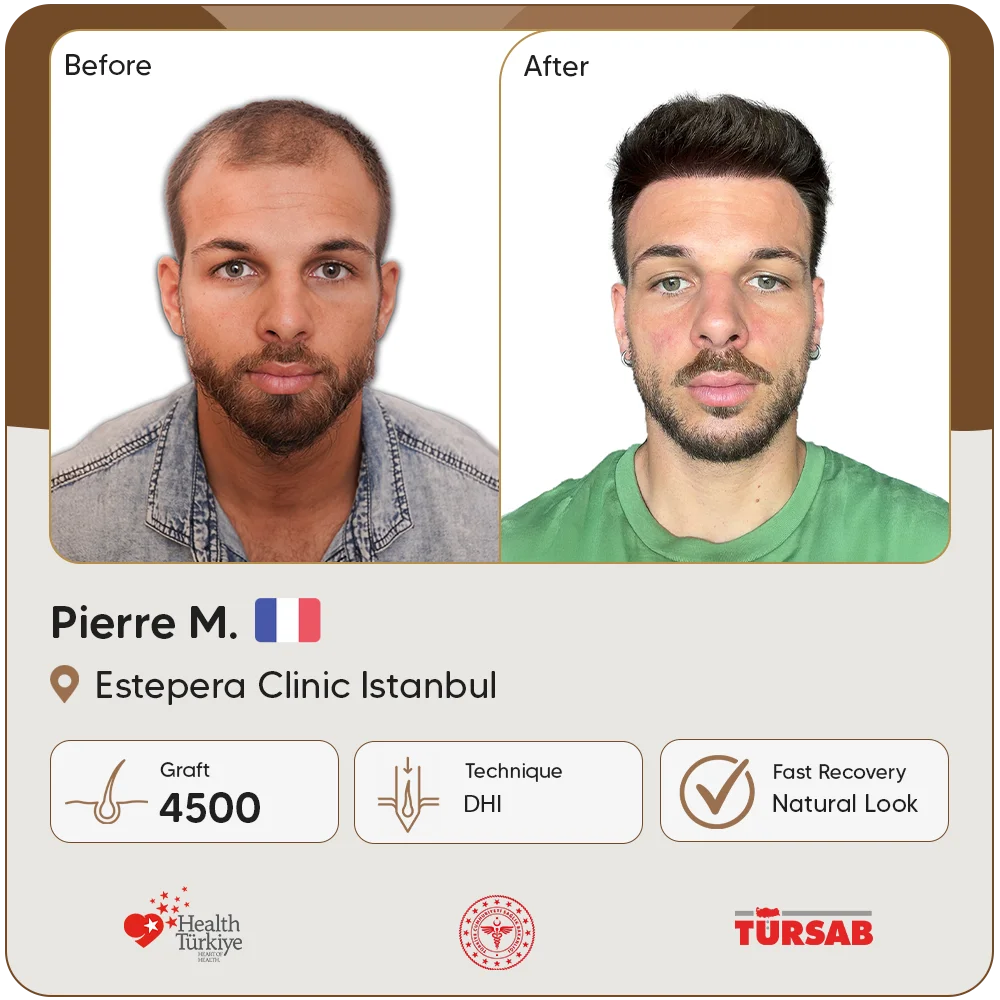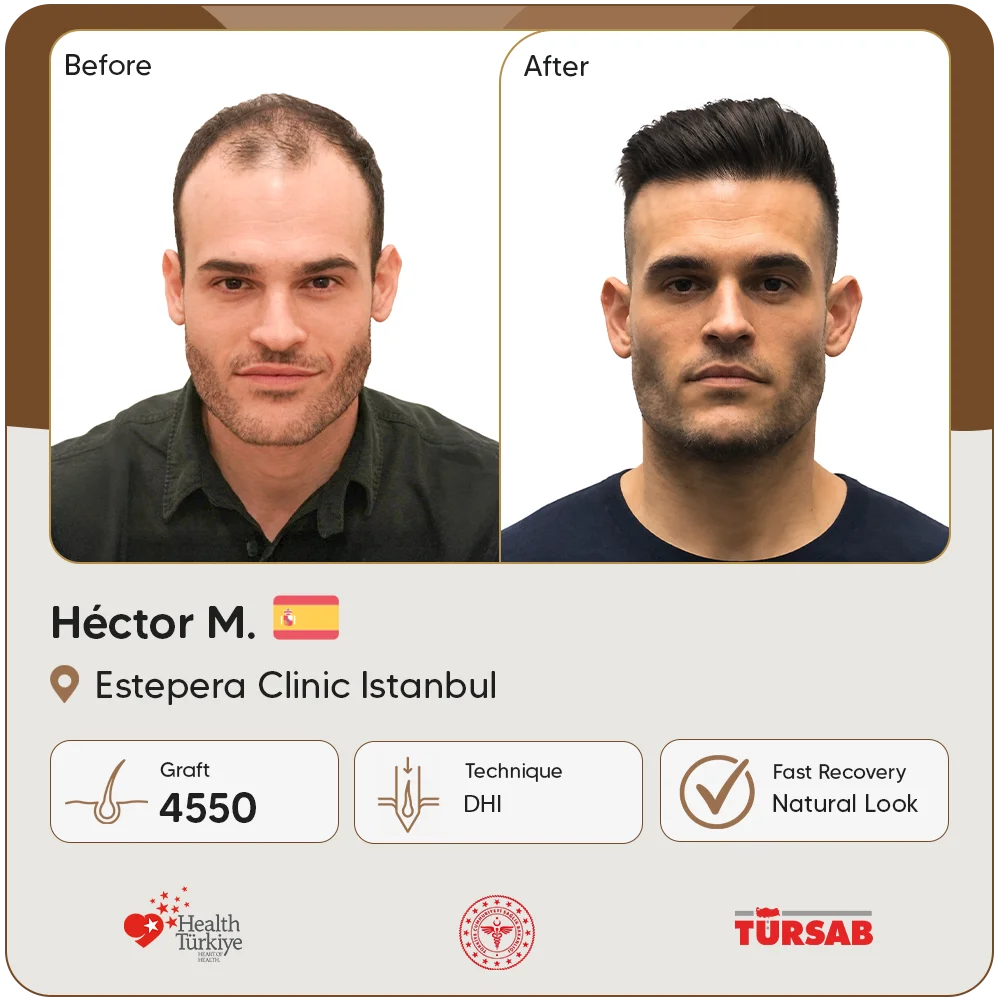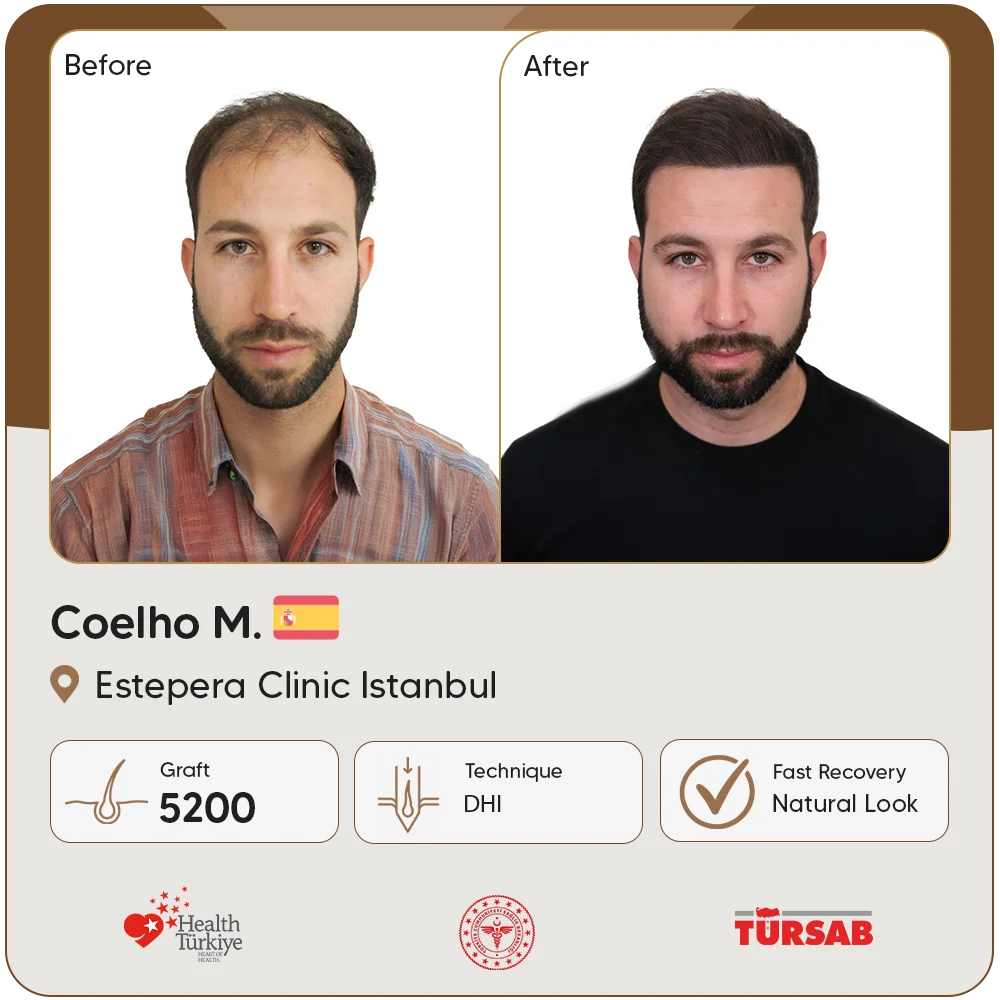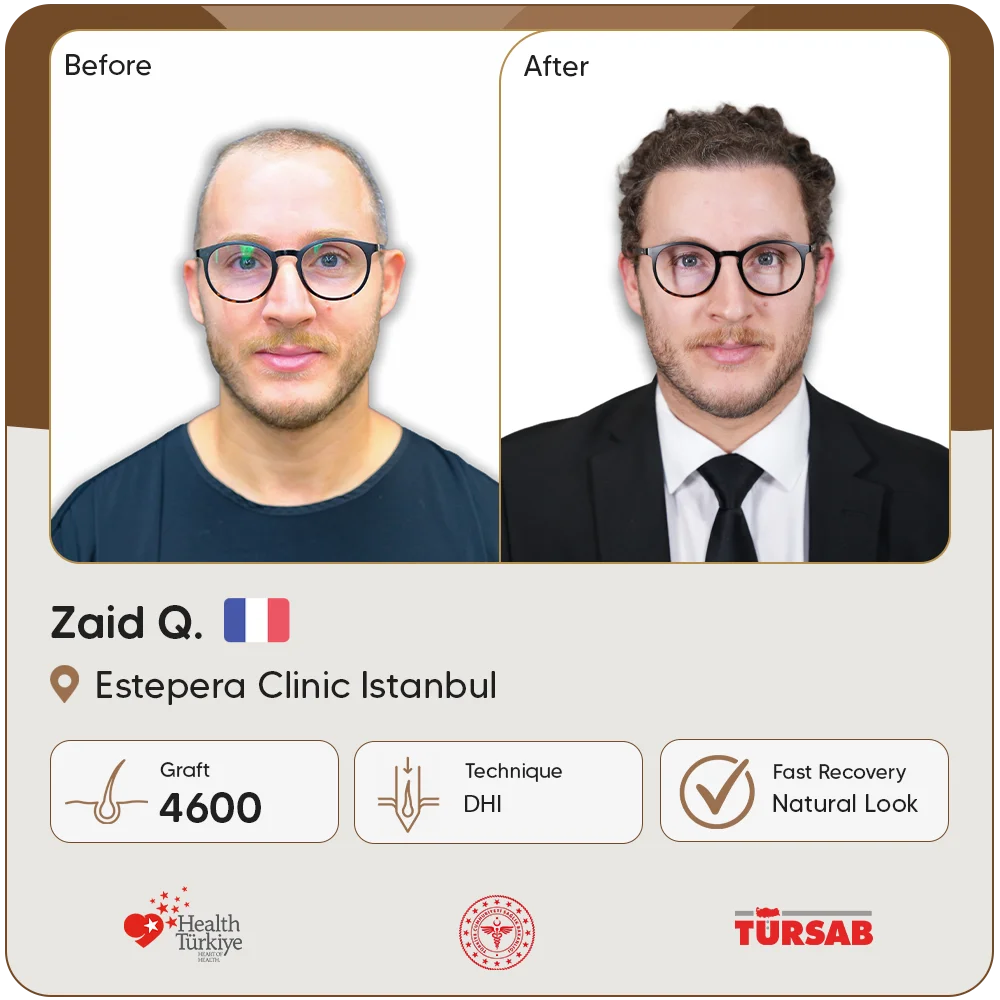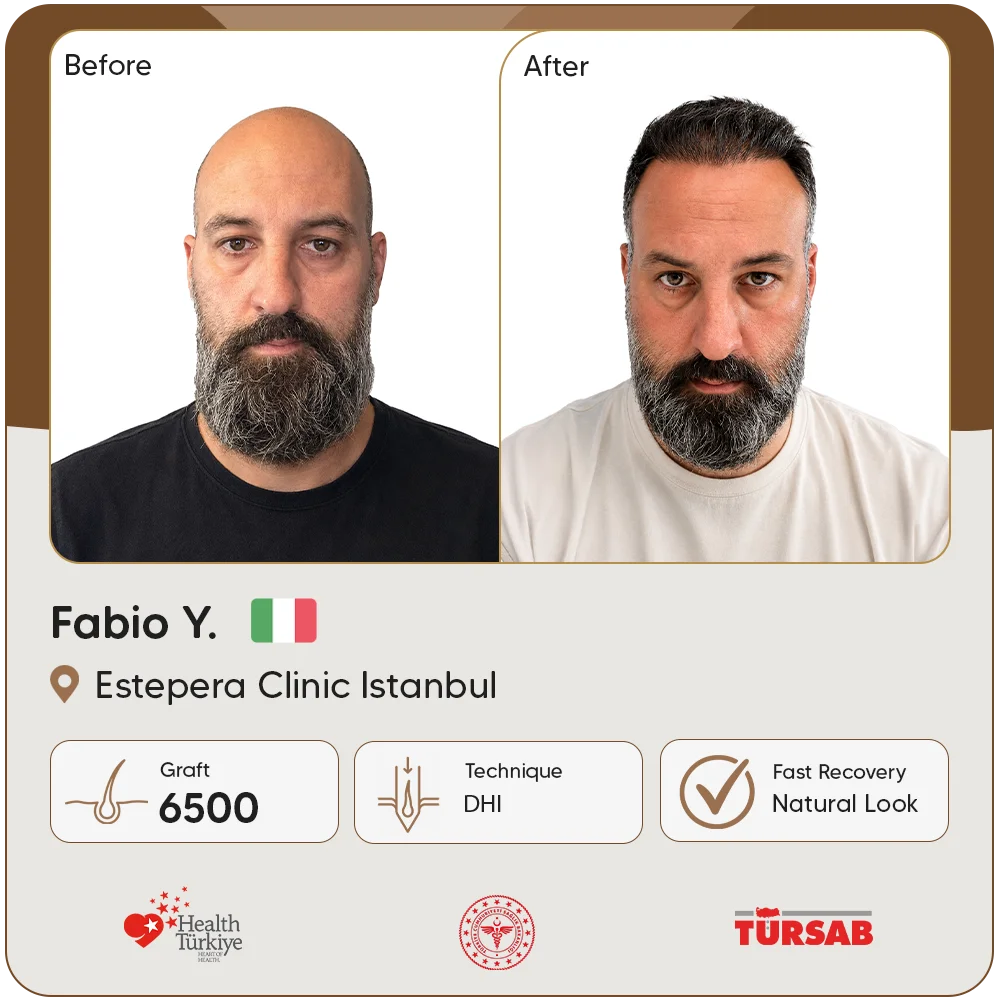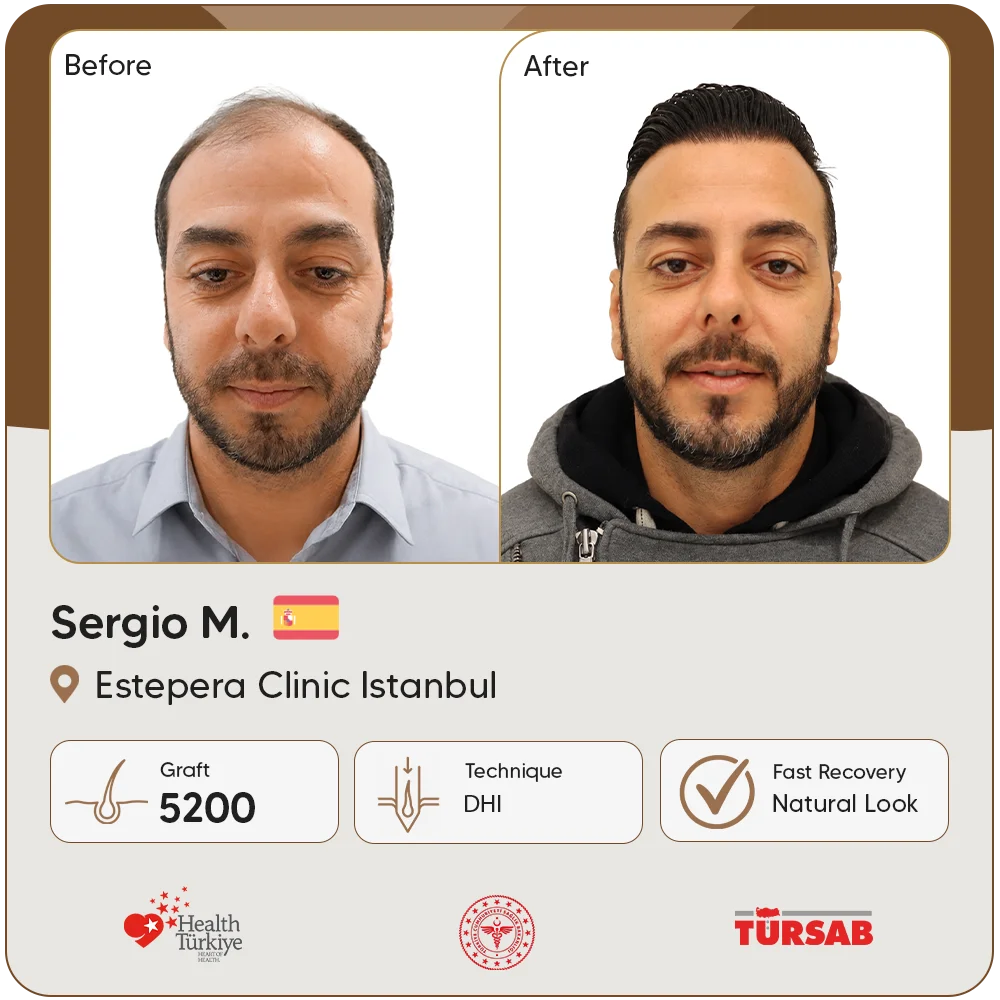
 FR
FR ES
ES IT
IT DE
DE RU
RU PT
PT AR
AR RO
RO BG
BG MK
MK IL
IL GR
GR ID
ID SK
SK JP
JP CN
CN PL
PL KR
KR TR
TR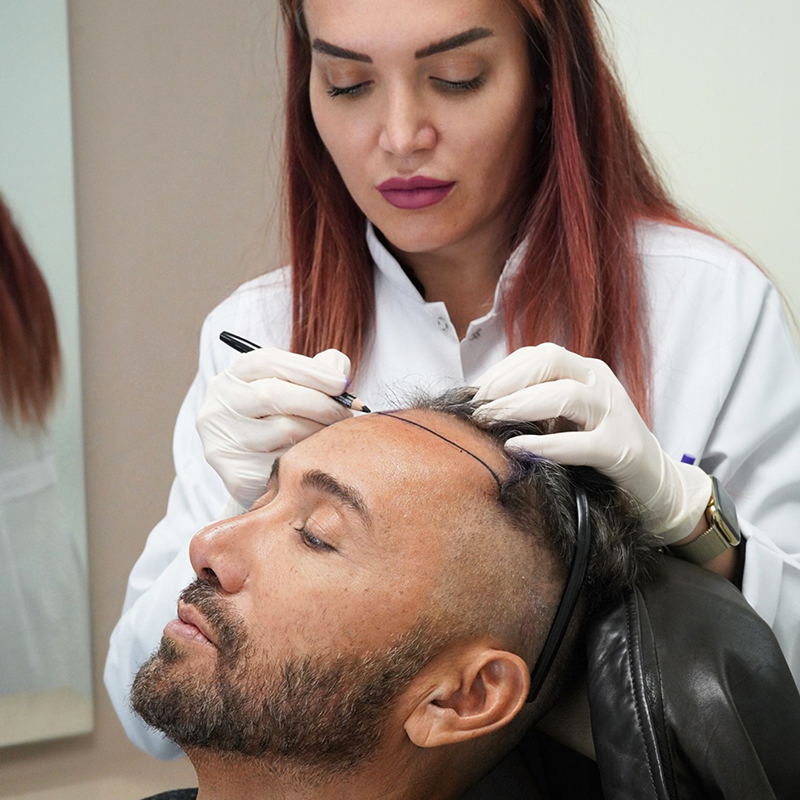
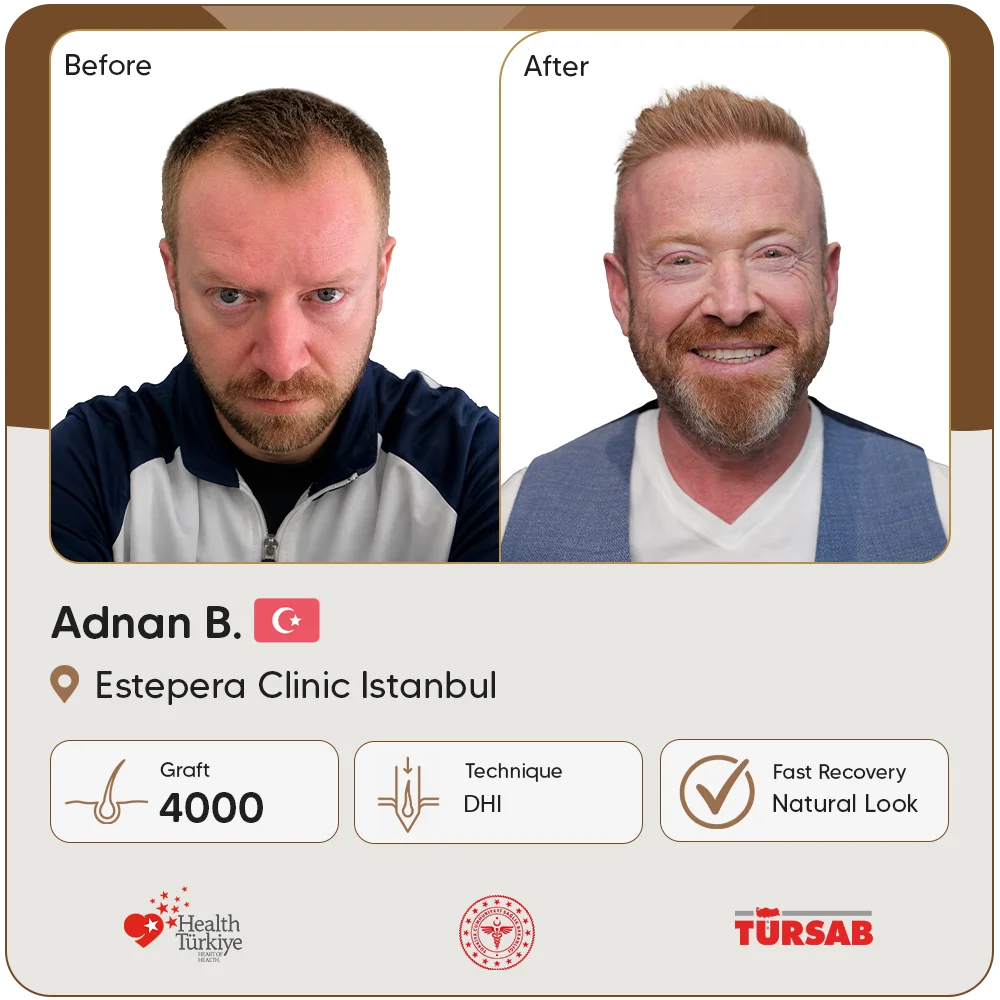
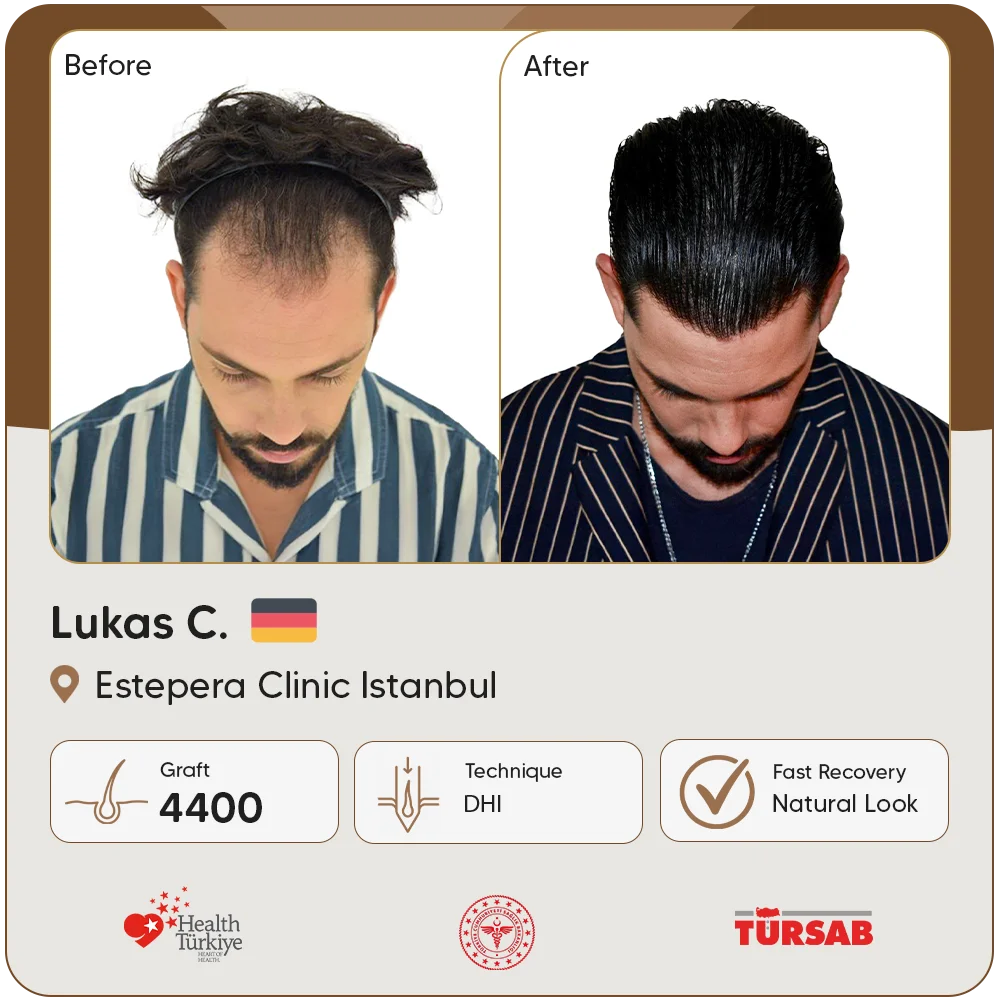
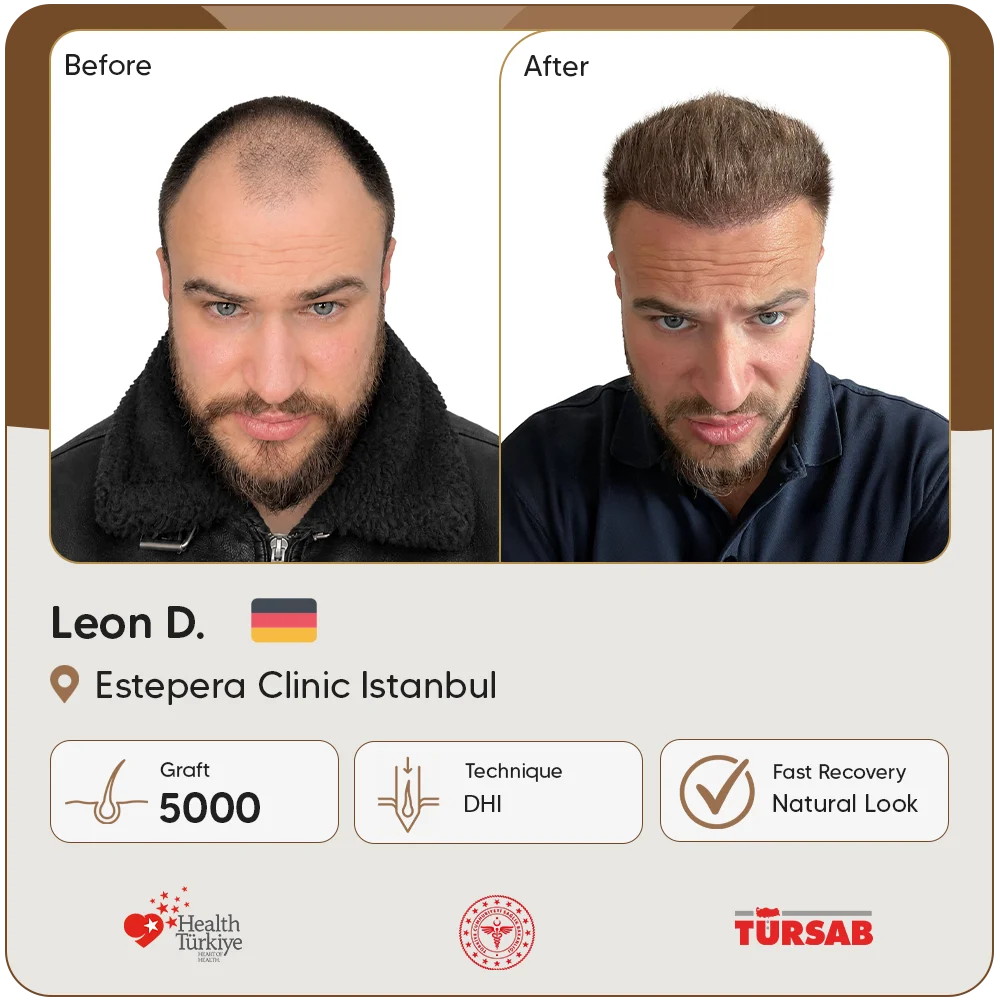
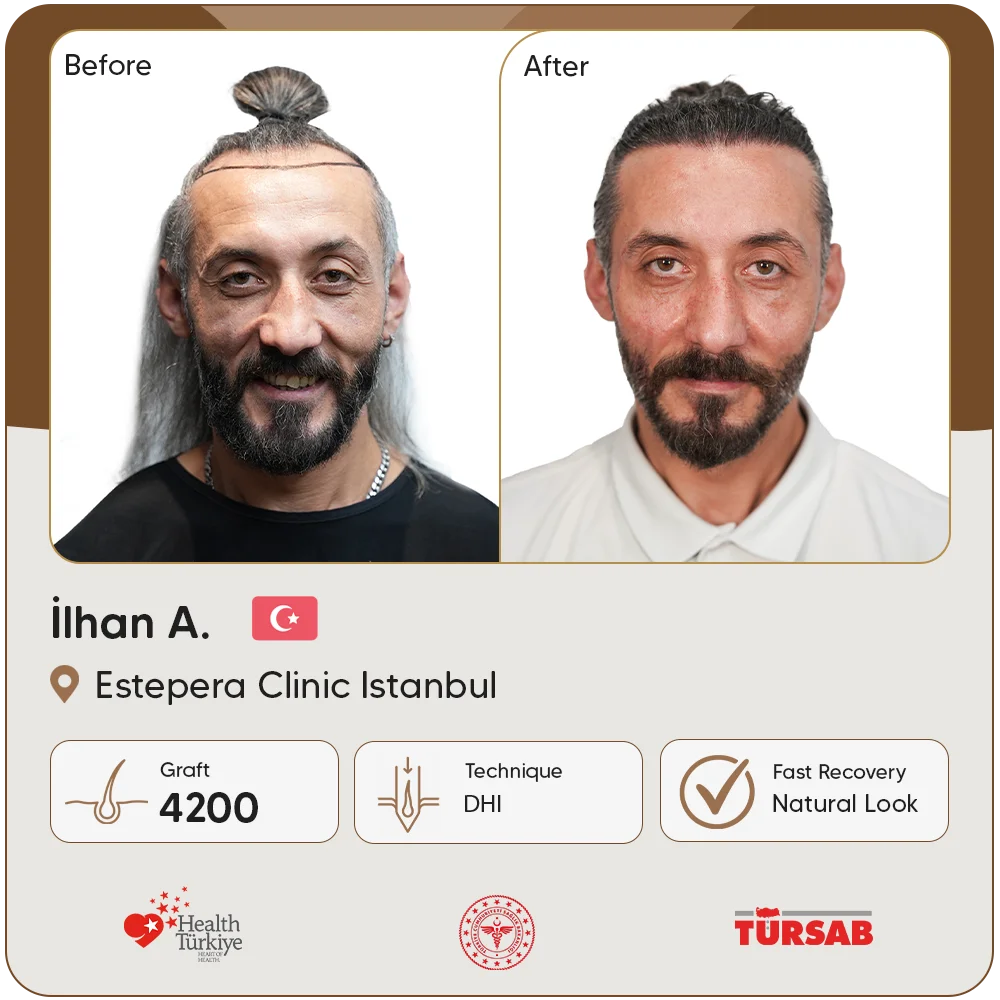
FUE (Follicular Unit Extraction) is a minimally invasive hair transplantation technique in which individual follicular units are carefully extracted from the donor area and transplanted into areas affected by hair loss or thinning.
Unlike FUT, which involves removing a strip of scalp tissue, FUE does not require a linear incision or stitches. Instead, individual follicular units are extracted using small punches. This generally results in small, scattered marks in the donor area rather than a linear scar. With appropriate technique and healing, these marks may become minimal and less noticeable over time. However, the visibility of scarring can vary depending on factors such as skin type, healing characteristics, hair characteristics, punch size, extraction density, and surgical technique.
The goal of FUE is not only to achieve satisfactory hair coverage but also to preserve the donor area and create a natural-looking result that is appropriate for the patient’s individual pattern of hair loss.
Because each patient has different hair characteristics and expectations, careful medical assessment and individualized planning are important before deciding whether FUE is an appropriate option.
How Is an FUE Hair Transplant Performed?
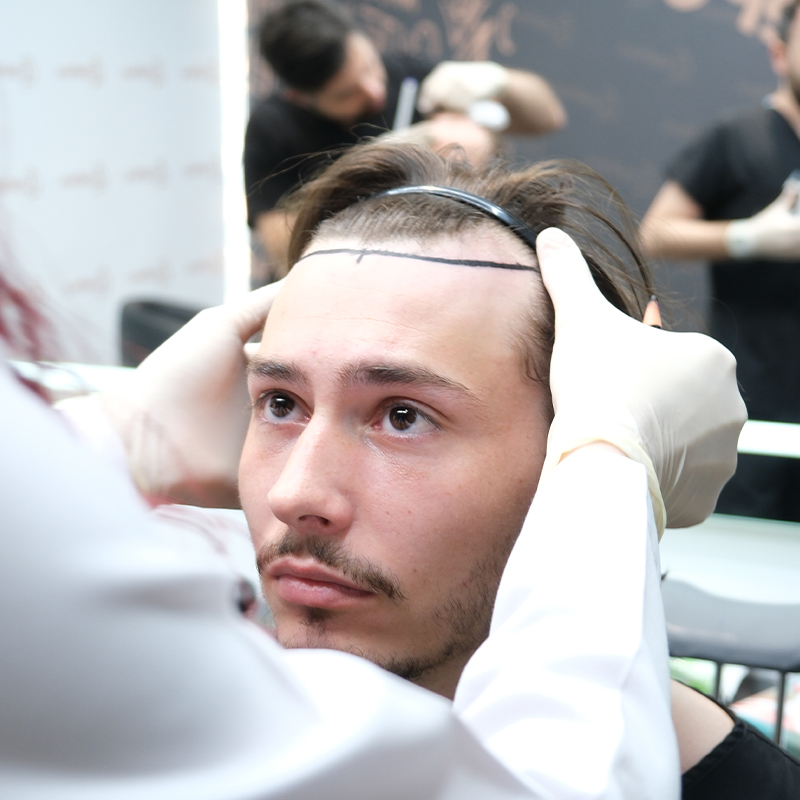
Before the procedure, the patient undergoes a detailed consultation and examination. The doctor evaluates the pattern and degree of hair loss, donor-area density, hair characteristics, scalp condition, and the availability of suitable grafts.
The patient’s expectations and the potential need for future hair transplantation are also considered. Following this assessment, an individualized treatment plan is prepared.
Depending on the patient’s hair characteristics and the planned procedure, the donor area may be shaved to allow accurate assessment and controlled extraction. In selected cases, partial or alternative shaving approaches may be considered.
The extraction strategy is planned carefully to avoid unnecessary removal of follicular units and to maintain an appropriate appearance in the donor area.
Extraction of the Follicular Units
Before extraction, the donor area is cleaned and local anesthesia is administered to minimize discomfort during the procedure.
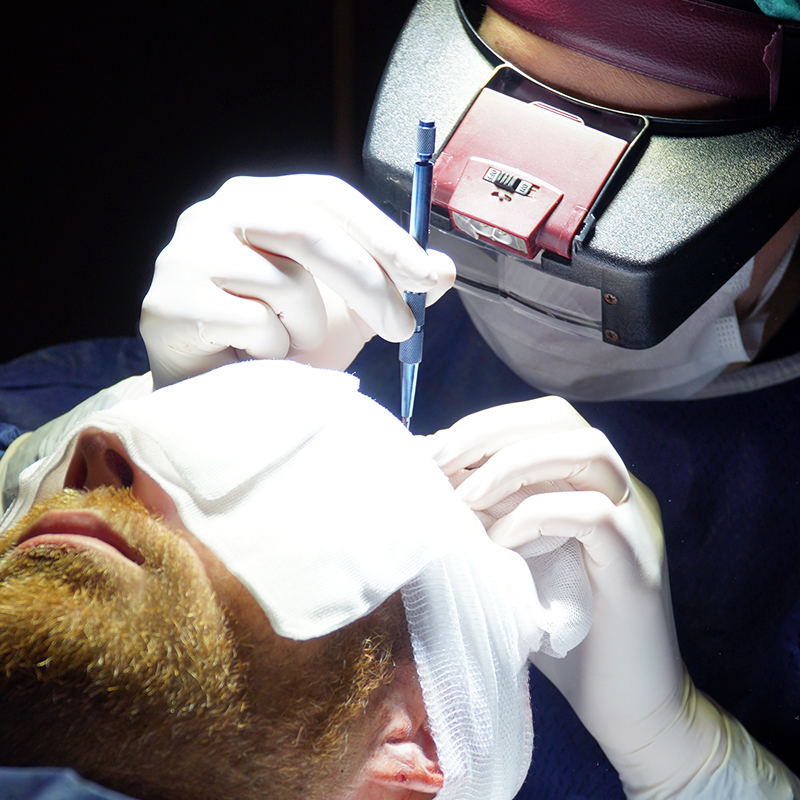
A small punch is used to separate individual follicular units from the surrounding tissue. The size and type of punch, as well as the extraction technique, are selected according to the patient’s anatomy, hair characteristics, and the surgeon’s assessment.
During extraction, particular attention is given to the direction and angle of the hair follicles in order to reduce the risk of follicular transection and unnecessary tissue trauma.
Each follicular unit is then carefully removed and examined. The grafts are sorted according to the number of hairs they contain and maintained under appropriate conditions until implantation.
The number of grafts that can safely be harvested varies considerably between patients. It depends on donor density, hair caliber, available donor reserves, the patient’s degree of hair loss, and the treatment plan. There is no single appropriate graft number for every patient.
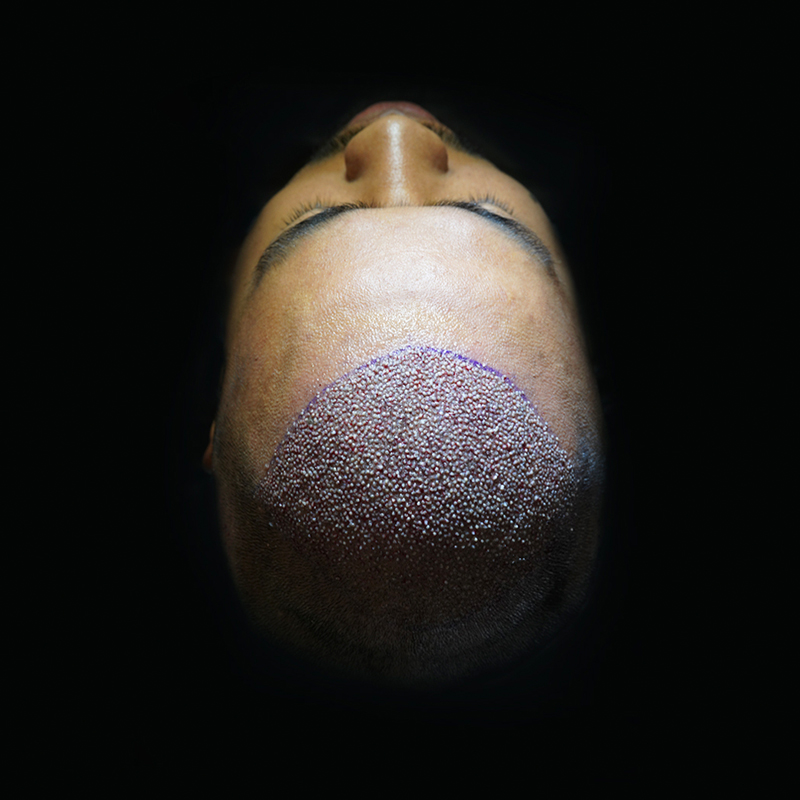
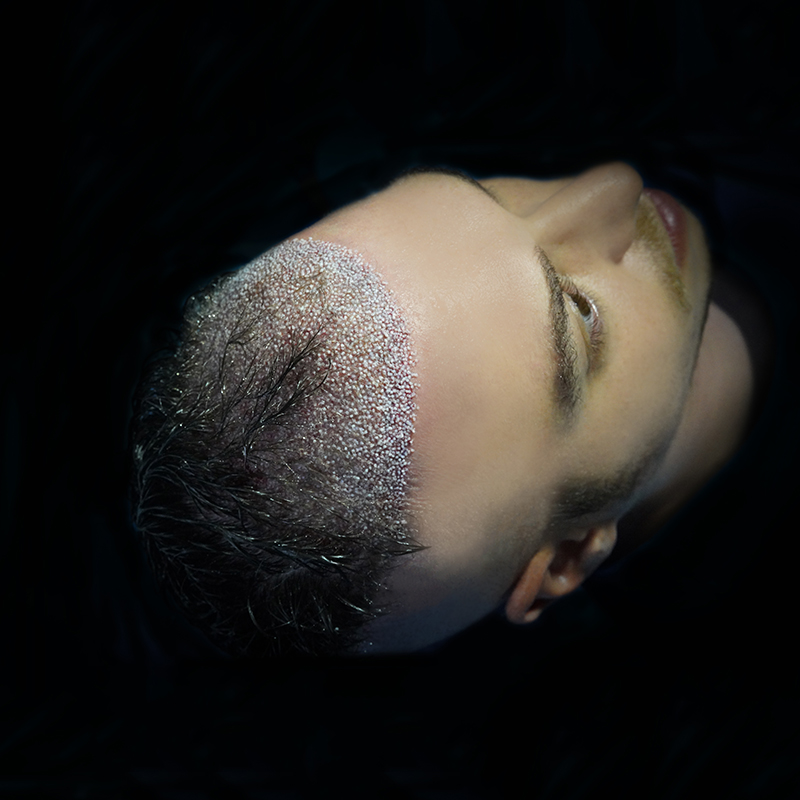
Once extraction is complete, the small extraction sites are allowed to heal naturally. These areas usually form temporary crusts or small marks during the early healing period, which gradually become less noticeable as healing progresses.
Placement of the Follicular Units
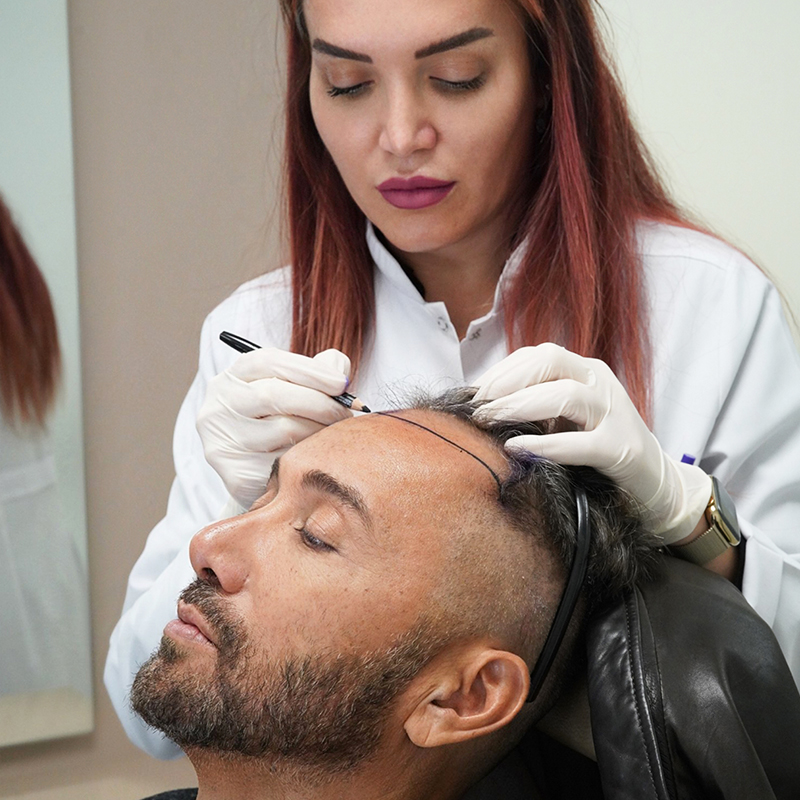
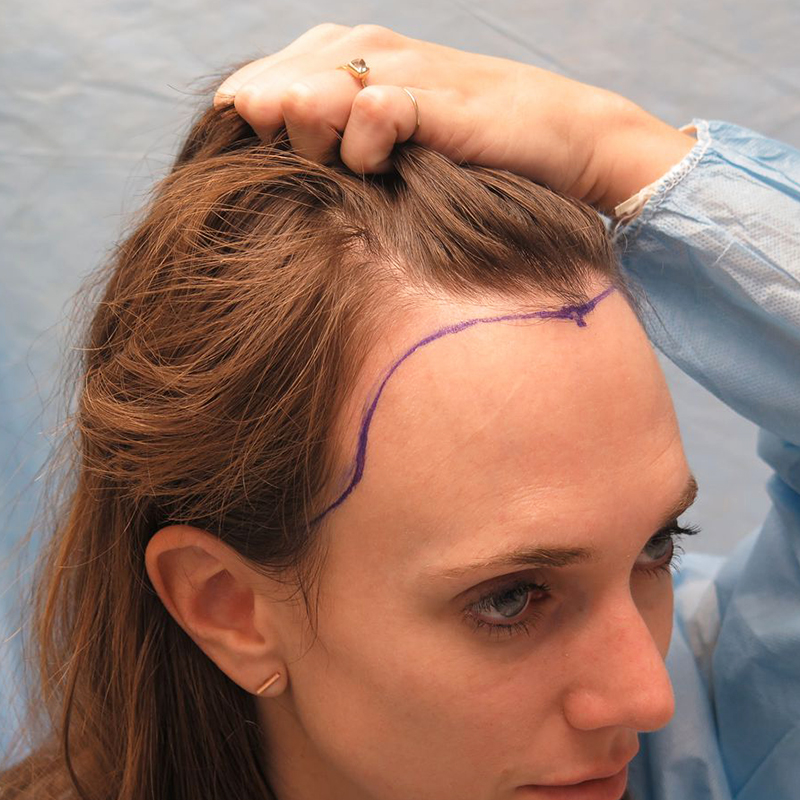
After the grafts have been prepared, the recipient area is carefully planned according to the patient’s existing hairline, facial proportions, hair direction, density, and degree of hair loss.
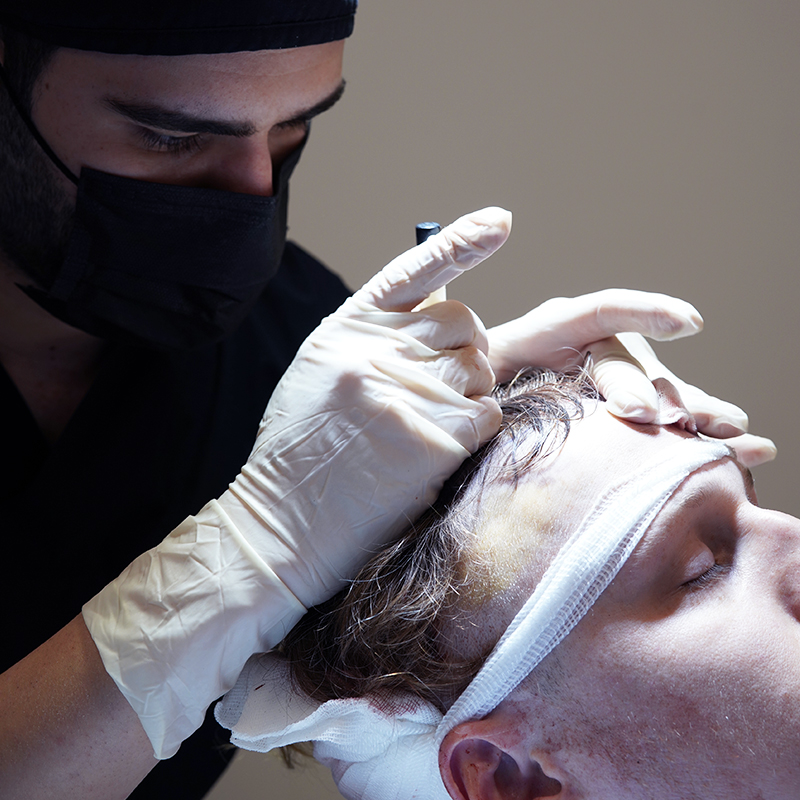
Small recipient sites are created according to the planned design. The follicular units are then placed individually, taking into account their natural characteristics and the desired direction and angle of growth.
Particular attention is given to the frontal hairline, where graft orientation and irregularity are important for achieving a natural appearance.
The number and distribution of grafts are determined individually rather than according to a fixed formula.
The procedure may take several hours, depending on the number of grafts, the treatment area, the patient’s characteristics, and the surgical approach.
Who May Be a Suitable Candidate for FUE?
FUE can be considered for many patients experiencing androgenetic alopecia or other suitable forms of hair loss. However, not every patient is an ideal candidate, and the decision should be based on an individual medical assessment.
The main factors considered include:
- The pattern and extent of hair loss
- The quality and density of the donor area
- The estimated number of grafts required
- The availability of sufficient donor reserves
- Hair thickness, texture, and curl
- Scalp condition and healing characteristics
- Previous hair transplantation procedures
- The patient’s expectations and treatment goals
- The possibility of future hair loss
- The patient’s general health
- The suitability of the recipient area
- The possibility of requiring additional treatment in the future
A realistic treatment plan should take into account both the current degree of hair loss and the potential progression of hair loss over time.
Recovery Period
Following FUE, the scalp may be temporarily sensitive, swollen, or tender. Small crusts may develop around the transplanted and extraction areas during the first days following the procedure.
These temporary changes are generally part of the normal healing process. The duration and intensity of these effects vary from person to person.
Patients receive detailed postoperative instructions regarding washing, sleeping position, physical activity, sun exposure, and scalp care.
The transplanted hairs commonly go through a temporary shedding phase during the first weeks following transplantation. This is often referred to as shock loss or shedding, and it does not necessarily indicate failure of the transplanted follicles.
New hair growth generally becomes noticeable gradually over the following months. The growth rate and final appearance vary between individuals, and the result continues to mature over time.
A more meaningful assessment of the outcome is usually made several months after surgery, with further improvement possible during the first year.
Postoperative Care
To support the healing process, patients should follow the specific instructions provided by their doctor. Depending on the individual case, recommendations may include:
- Follow the prescribed washing and scalp-care instructions.
- Avoid rubbing, scratching, or applying excessive pressure to the transplanted area during the early healing period.
- Avoid strenuous exercise for the period recommended by your doctor.
- Protect the scalp from direct and prolonged sun exposure during the early recovery period.
- Avoid swimming and activities that may expose the scalp to contamination until your doctor advises that it is safe.
- Sleep in the position recommended by your doctor during the initial recovery period.
- Avoid smoking and alcohol around the procedure according to your doctor’s recommendations.
- Use medications or topical treatments only when recommended by your doctor.
The postoperative period is individual, and recovery may differ depending on the patient’s general health, skin characteristics, surgical technique, and extent of transplantation.
Advantages of FUE
FUE offers several potential advantages when appropriately selected and performed:
- Individual follicular units can be extracted without removing a strip of scalp.
- It does not create the linear scar associated with FUT.
- The donor area generally contains small, scattered extraction sites rather than a single linear incision.
- With appropriate extraction and healing, these marks may become minimal and less noticeable over time.
- The technique allows the surgeon to select individual follicular units according to the treatment plan.
- It can be suitable for patients who prefer to keep their hair relatively short, depending on the quality of the donor area and individual healing.
- Local anesthesia is generally used during the procedure.
- The technique can be adapted to different patterns and degrees of hair loss.
- In selected cases, grafts from areas other than the scalp may be considered, although their suitability must be assessed individually.
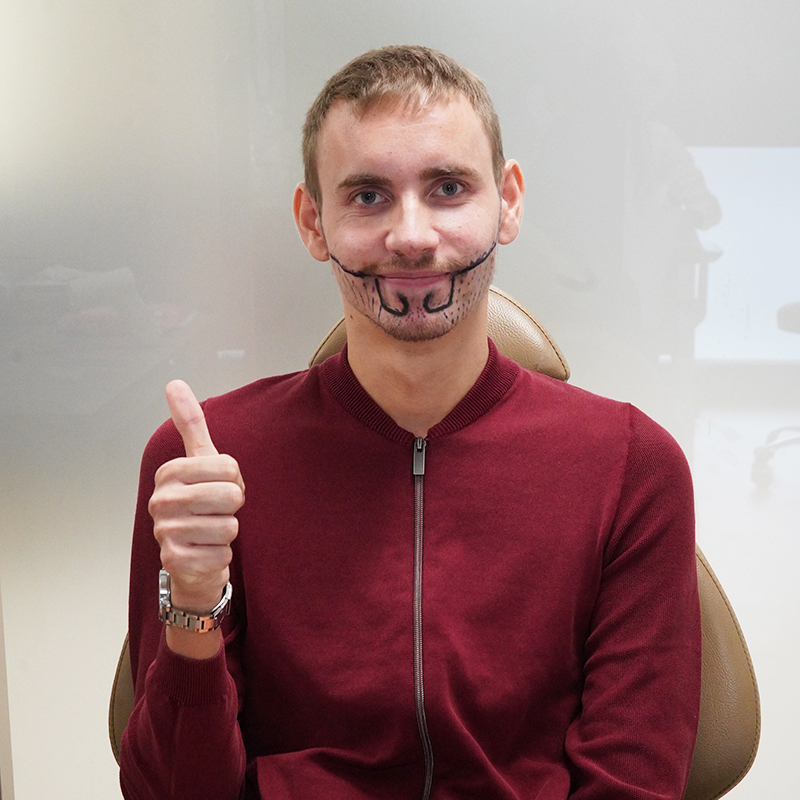
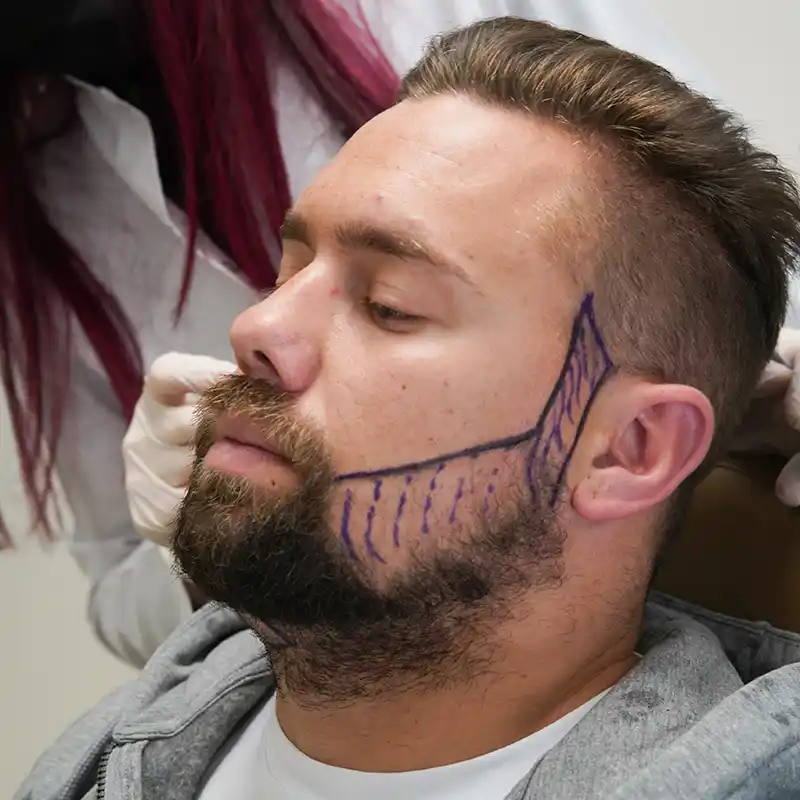
- FUE may also be considered for eyebrow, beard, or moustache transplantation when clinically appropriate.
- Recovery is generally relatively straightforward, although the duration of healing varies between patients.
An Important Consideration About Scarring
It is important to understand that FUE does not guarantee a completely scar-free result.
Because follicular units are individually extracted using small punches, the resulting marks are generally small and scattered rather than linear. In many patients, these marks become difficult to notice as healing progresses, particularly when the donor area is managed appropriately.
However, the visibility of these marks can vary depending on individual healing, skin characteristics, hair characteristics, punch size, extraction density, and the technique used.
For this reason, protecting the donor area should be considered as important as achieving adequate hair coverage. A well-planned procedure aims to obtain an appropriate number of grafts while maintaining the long-term appearance and potential of the donor area.
A Personalized Approach
The objective of an FUE hair transplant is not simply to maximize the number of extracted grafts. The treatment should be planned according to the patient’s current hair loss, donor capacity, hair characteristics, facial proportions, expectations, and potential future hair loss.